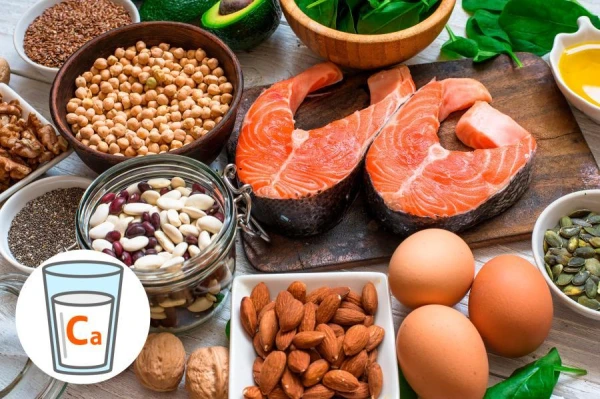
Milk, yogurt, and cheese are not the only foods that contribute to strengthening bones. There are other options. What foods should be included in the diet, especially if you are over 50?
As we age, it is important to pay attention to our diet, notes Doctorpiter. Our bodies undergo changes, one of which is related to bones — they begin to lose calcium and other essential minerals, leading to decreased density and an increased risk of fractures. A hip fracture is particularly dangerous, with consequences compared to a heart attack.
34% of women and 27% of men face osteoporosis after the age of 50.
Doctors emphasize that the prevention of bone fragility should start not only after the age of 50 but as early as possible — preferably from childhood. One of the best measures is physical activity.
A balanced diet is also important — if your diet includes foods rich in vitamins and minerals that help strengthen bones, you can reduce the risk of bone mass loss.
Contrary to popular belief, not only dairy products contribute to bone strengthening. If you are lactose intolerant or simply do not like dairy products, there are other ways to support bone health.
Salmon
Why is red fish beneficial for bones? It contains a lot of protein, which plays a key role in forming bone tissue, as well as vitamin D, which is necessary for calcium absorption and its delivery to the bones. Additionally, salmon is rich in omega-3 fatty acids, which, according to studies, help improve bone strength.
It is important to note that red fish is a fatty product, which aids in the better absorption of fat-soluble vitamin D.
A serving of salmon weighing 100-120 grams contains about 500 international units (IU) of vitamin D, while the recommended daily intake is 600 IU.
Cabbage and Leafy Greens
Nutritionists assert that men over 50 need to get 1000 mg of calcium per day, while women need 1200 mg. This deficiency can be replenished by adding green leafy vegetables, such as cabbage and arugula, to the diet. They contain essential minerals for bone health.
Just 100-150 grams of chopped cabbage provides about 170 mg of calcium (about 15% of the daily norm).
Moreover, green leafy vegetables contain beneficial vitamin K, which is necessary for forming a vital component of bone tissue.
Dark greens are also an excellent source of potassium. A study by Osteoporosis International showed that adding potassium to the diet helps increase bone density.
However, nutritionists warn that spinach, while being a good source of calcium and vitamin K, contains oxalates (oxalic acid), which can bind with minerals and remove them from the body before absorption. This is especially true for calcium. Oxalates are also present in peanuts and dried apricots.
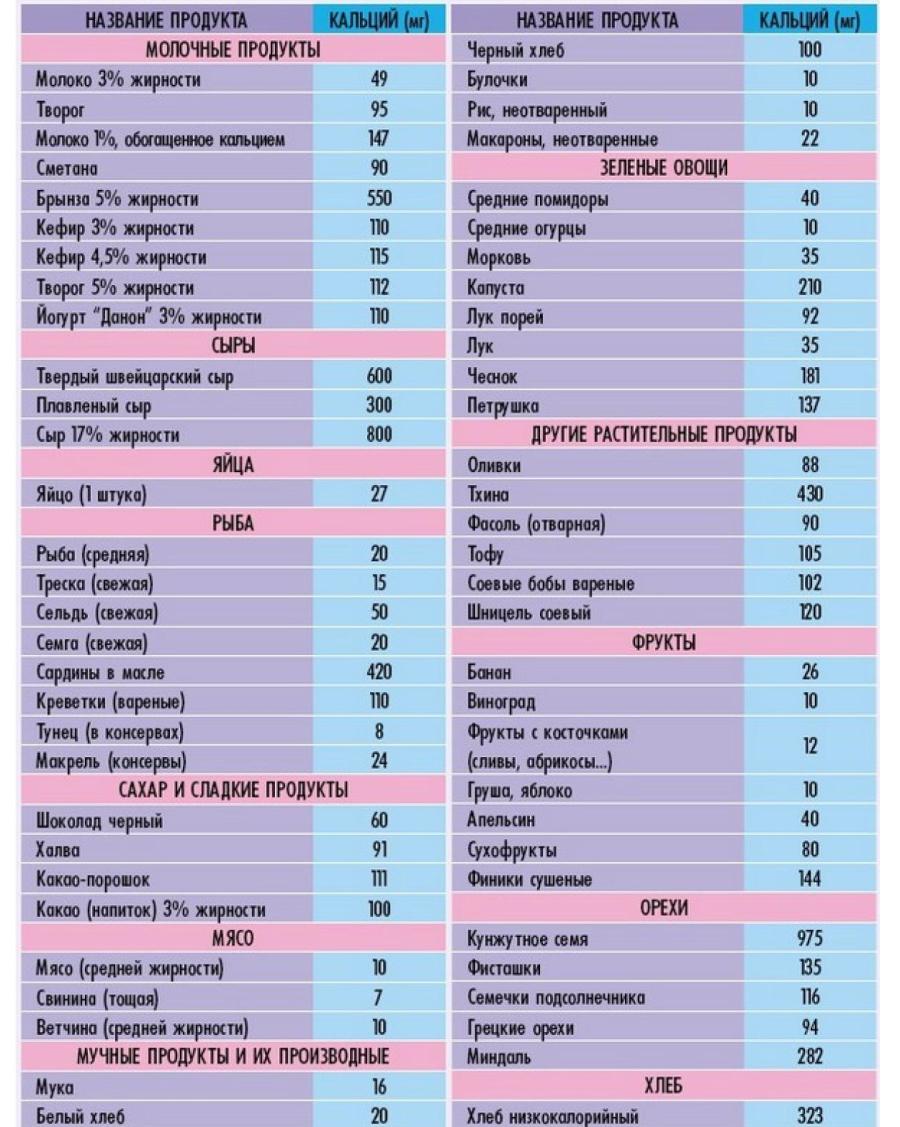
Legumes
Beans are an excellent plant-based source of calcium. For example, 100 grams of white beans contain about 200 mg of this mineral, which is 14.7% of the daily norm.
Another good option is black beans, which contain more protein and magnesium than white beans. Beans also contain potassium, which, according to studies, improves calcium metabolism.
Bell Peppers
One large yellow bell pepper contains an impressive 342 mg of vitamin C — that’s 380% of the daily norm. This vitamin promotes the production of bone-forming cells and protects bone cells from damage. Consuming green and yellow vegetables also aids in bone mineralization.
Tofu
Looking for a vegetarian source of protein? Add tofu to your diet. Studies show that high soy consumption is associated with a 77% reduction in fracture risk among women.
Soy products, such as tofu and soy milk, contain phytoestrogens that promote bone restoration. Additionally, many store-bought soy products are fortified with calcium and vitamin D.
Eggs
Experts say that starting the morning with scrambled eggs or an omelet is a simple way to support bone health. Eggs contain vitamin D, which is necessary for calcium absorption. There is no need to fear the yolk and limit yourself to just the egg white.
One egg yolk contains almost 100% of the daily norm of vitamin K2, a fat-soluble vitamin that helps deliver calcium to the bones.
Pumpkin Seeds
This affordable and nutritious product is very beneficial for bones. Seeds can be added to salads or simply snacked on between meals.
Pumpkin seeds are rich in magnesium, zinc, and phosphorus — all minerals necessary for bone health.
Adding chia seeds to pumpkin seeds will provide even greater benefits, as they are also rich in calcium and magnesium.