
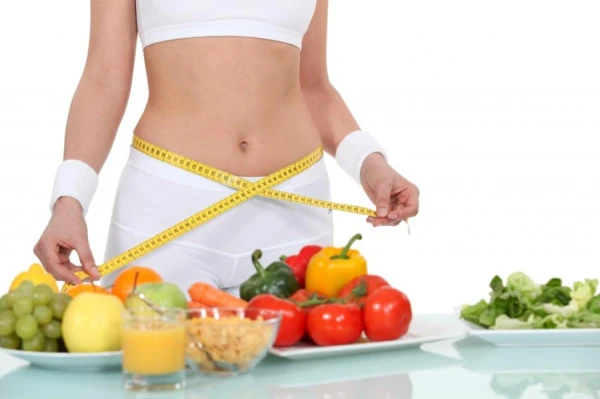
Losing a few kilograms is quite achievable. You don’t have to resort to strict diets and painfully count calories. We share useful tips from a nutritionist that will help you quickly get in shape without making it an obsession.
1. Fill half your plate with vegetables
This way, you can maintain your usual portion size while reducing the number of calories consumed. One hundred grams of boiled pasta contains about 110 kcal, while the same amount of salad with tomatoes, cucumbers, and red peppers has three times fewer calories. You don't need to completely give up carbohydrates; just reduce their portion. This will allow you to lower calorie intake while increasing fiber in your diet.
2. Include protein in every meal or snack
Protein is more satiating than carbohydrates or fats, as numerous studies have confirmed. It is recommended to consume at least 1.5 grams of protein per kilogram of body weight per day. If your diet lacks protein, losing weight can become challenging. Therefore, add lean protein sources to every meal: eggs, skinless chicken, dairy products, seafood, and fish. Plant-based proteins are also an excellent choice: for example, beans, lentils, peas, tofu, chickpeas, hummus, and nut butter.
Choose lean meats such as chicken, turkey, or beef. Less fat means fewer calories, and more protein means greater satiety.
3. Drink water before meals and avoid juice
In one experiment, overweight participants drank about half a liter of water before breakfast and ended up consuming approximately 13% less than those who did not. Water fills the stomach by 10–20% and helps reduce hunger without containing calories. It is better to avoid soda and sweet store-bought juices, as they do not satiate but add empty calories. Opt for tea instead.
4. Start lunch with vegetable soup or salad
Light vegetable soups and salads are high in water and fiber but low in calories. If you eat them before the main course, you can reduce the calorie content of lunch by 20%. It is also advisable to avoid calorie-dense salad dressings like mayonnaise. The best options are olive oil, Greek yogurt, or vinegar.
5. Increase your intake of soluble fiber
Foods containing soluble fiber are excellent for satiety. This happens because it turns into a thick gel in the digestive tract, slowing digestion and suppressing hunger. Soluble fiber is found in substances like pectin, inulin, gums, and alginates.
Here are some ways to increase the amount of soluble fiber in your diet:
* add chia seeds or ground flaxseeds to smoothies, yogurt, and cereals;
* choose whole grain oats, barley, and buckwheat;
* add beans to soups, salads, and main dishes;
* eat pumpkin more often;
* snack on apples, oranges, pears, plums, and bananas.
6. Season dishes with pepper
Hot pepper contains capsaicin, which helps reduce appetite. Ginger also has a similar effect. In one Canadian study, participants who consumed a snack with red pepper ate on average 190 calories less than those who did not use the spice. In another experiment, participants felt full faster thanks to ginger tea.
7. Don’t restrict yourself with low-fat dairy products
If you tolerate them well, treat yourself to kefir, whey, Greek yogurt, and ricotta. If you love cottage cheese, choose one with 2–5% fat instead of 18% curd mass. It is better to avoid glazed cheese snacks.
8. Don’t add too much oil to the pan
For most dishes cooked in a pan or oven, only three grams of oil are needed, not thirty. Even those who carefully count calories often forget this. It is even better to buy a non-stick frying pan or grill.
9. Practice mindful eating and avoid frequent snacking
Mindful eating means paying attention only to food, without distractions from conversations or watching series. This will help you better track when you are no longer hungry and avoid overeating. Also, don’t get carried away with even healthy snacks. Nuts, dried fruits, muesli, and cereal bars can be calorie-dense despite their micronutrient content.
The same goes for protein snacks: they are high in protein, which is a plus. But they are just as caloric as a Snickers. Healthy does not always mean diet-friendly, so be cautious. Additionally, frequent snacking can be a result of boredom.
10. Change your dishes
This may seem strange, but the size of plates and utensils affects the amount of food consumed. In one study, American scientists found that people tend to fill their plates to about 70%, regardless of their size. In another study, participants ate more ice cream with a spoon than with a small fork.









Leave a comment