Brunch is a breakfast that smoothly transitions into lunch. This traditional meal has become a unique format for daytime events. Authors Georgeann Brennan and Irma Rombauer share their knowledge on organizing brunch.
What is brunch?
In European and American countries, brunch refers to a late breakfast that smoothly transitions into lunch. The word “brunch” is a combination of the English terms “breakfast” and “lunch.” The American lifestyle magazine Southern Living reports that the term “brunch” was first used by British writer Guy Beringer in 1895 in an article for Hunter's Weekly.
When does brunch take place? It is usually organized between 11:00 AM and 3:00 PM, most often on Sundays.
Like many other culinary traditions, the origin of brunch is surrounded by several theories. As noted by Smithsonian magazine, some culinary historians believe that brunch traces back to traditional English feasts held after hunting, while others argue that Sunday brunch originated from the practice of Catholics fasting before mass and then having a hearty meal at noon. However, there is also the opinion that the concept originated in New York due to the variety of breakfasts and lunches.
Although brunch and lunch share some common features, such as casualness and light menus, there are differences between them. The platform Ask Difference, which helps clarify the distinctions between concepts, emphasizes that brunch is a combination of breakfast and lunch, whereas lunch is traditionally consumed around noon. In the 20th century, the meaning of the word “lunch” became narrower and came to denote specifically a meal at noon.

Types of brunch
Brunch can be of several types:
* Restaurant. The popularity of brunch has led to the creation of specialized menus in establishments that offer brunches any day of the week.
* Home. Usually a Sunday meal with family or friends.
* Business. Suitable for business meetings.
* Children's. Includes animated programs and workshops for young guests.
* Thematic. Dedicated to a specific theme or direction.
Considering the growing popularity of brunches, restaurants are increasingly organizing events dedicated to specific dates, such as Valentine's Day or Mother's Day. In addition to a special brunch menu, entertainment programs may be offered.
Brunch menu composition
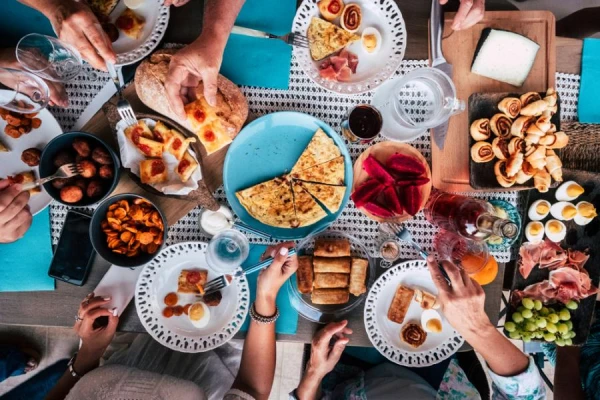
There is no single list of dishes for brunch. The culinary website Delighted Cooking states that a variety of dishes can be served at brunch — from traditional breakfasts to more substantial treats.
What is usually served at brunch? Among the most popular dishes are:
* portioned omelets baked in the oven, poached eggs or eggs Benedict, scrambles, and other egg dishes;
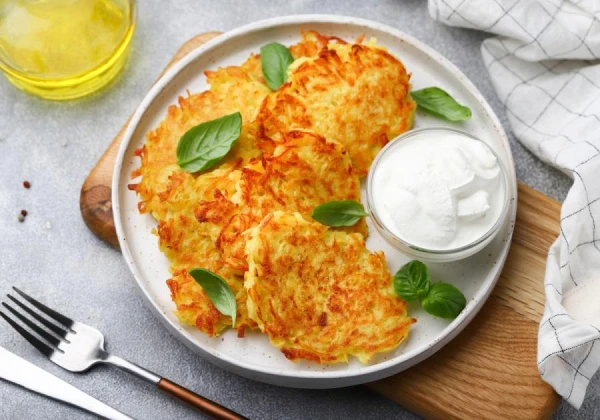
* bacon and ham; waffles, pancakes, or fritters;
* sandwiches with cheese, sausage, meat, vegetables;
* toast with jam; cinnamon rolls, donuts, croissants, pies, and other pastries;
* salads, fresh vegetables and fruits; light meat and fish dishes.
The brunch menu also includes alcoholic beverages. Light cocktails such as “Aperol,” “Mimosa,” or “Daiquiri,” which include fruit juices or syrups, are often served. Alcohol is usually paired with traditional hot drinks, such as coffee with liqueur.

Brunch is often organized in a buffet format. The authors of the book “The Joy of Cooking: All About Breakfast and Brunch” note that a buffet is an excellent choice for large casual gatherings. To organize such a brunch, a variety of dishes should be selected and the table beautifully set. It is important to ensure that there are enough portions to replenish the table as needed. For the convenience of guests, food is labeled with small cards with names.
For a home brunch with a small number of guests, it is convenient to serve food family-style, as noted by Georgeann Brennan, author of the book “Brunch: Recipes for Cozy Weekend Mornings.” Dishes are placed on serving platters, and guests can take them as needed.
Care should be taken regarding the convenience of dishes on the menu. If the brunch is organized in a buffet format, choose dishes that can be easily eaten with hands or a fork, without the need for additional cutting with a knife.
Why are brunches becoming popular?
Brunches are a trend that is rapidly gaining popularity worldwide. Here are a few reasons why brunches are in such demand:
1. Convenience. The timing allows for a good sleep and not missing breakfast.
2. Variety. The menu combines breakfast and lunch dishes, so everyone will find something to their taste.
3. Opportunity for socializing. Brunch has become not just a meal but a social event that allows people to spend time together and communicate.
In today's world, where people are constantly connected through social networks, there is a need for personal communication. This can be satisfied by meeting friends or chatting with family over brunch.
For this reason, brunches have also become a great example of networking — a way to create and develop useful acquaintances. Influencers, experts, and businesspeople organize such events to exchange information, experiences, and establish business connections. Brunch can be part of a broader program, such as an educational seminar or business forum.
The trend for brunches has also affected formal events. It has become one of the popular formats for wedding receptions, creating a more intimate and family atmosphere, as well as shifting the banquet part to the first half of the day.
When organizing a brunch, consider the following points:
1. Determine the number of guests.
2. Plan the menu. Provide a variety of dish options for guests — low-calorie, vegan, hearty.
3. Keep an eye on the time to avoid turning brunch into a full lunch.
4. Think about the venue and theme. If there is a dress code, inform the guests in advance.
5. Pay attention to decor and tableware.
6. For large brunches, use seating arrangements.
Don't forget about a suitable program that matches the purpose of the event. The success of a successful brunch lies not only in delicious food but also in creating a pleasant atmosphere that encourages guest interaction.
If brunch has not yet been on your list of weekend activities, it is worth trying to attend such an event. A full meal between breakfast and lunch can become a real celebration, a great way to make new acquaintances and have a wonderful time with loved ones.
Source: nur