
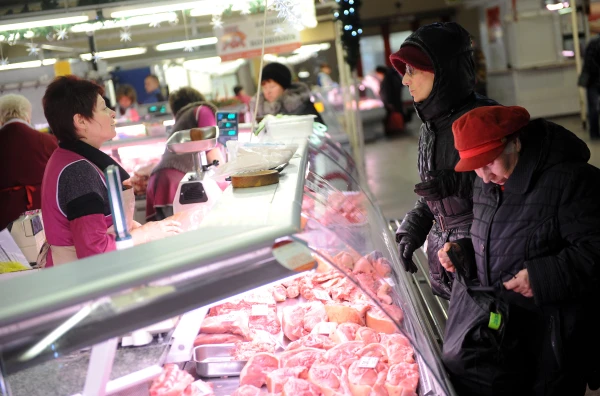
The chairman of the Riga City Property Committee stated that "as a city, as taxpayers, we are interested in preserving the Meat Pavilion of the Central Market as a tourist attraction, a place for traditions, culture, and sports."
In other words, meat is not planned to be sold in the pavilion. At the same time, there have been no sightings of any votes from residents or surveys of taxpayers on this matter.
What might be in the pavilion, the head of the committee did not say. However, there have long been rumors in the city that one of the pavilions of the Central Market is planned to be handed over to the organization "Ghetto Games," which engages children and youth in sports. And meat? Well, meat will probably be in the supermarket.
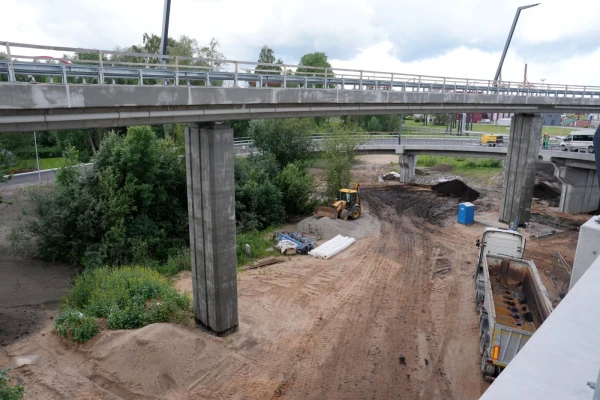
Meanwhile, the Meat Pavilion is unique in its own way – a railway viaduct was built from the Central (then Main) station to it, and right on the roof was the station "Riga-Market." During the war, the viaduct was destroyed, but the station's structures for supporting the railway track remained.
If we believe the maps of that time, the station "Riga-Market" was served by two tracks: the five-foot (1524 mm) and the Stephenson gauge (1435 mm), which is now referred to in the media as "European." And instead of a unloading area for trains with bacon, it may well happen that the former station will become a place for basketball games, boxing matches, or other sports activities.
Let us recall that the pavilions of the Central Market were originally hangars for storing airships of the German army and were located in Vainode. After World War I, they were dismantled, transported to Riga, and the upper parts of the structures were assembled. In 1930, the Central Market was ceremoniously opened, at that time the largest indoor market in Northern Europe. What can we say, everything flows, everything changes.








Leave a comment