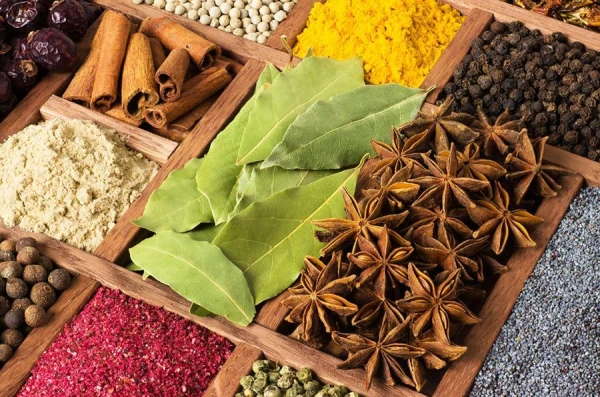
These seasonings are widely used in cooking, but it is important to remember moderation. People with existing gastrointestinal issues should be especially cautious.
Many cooks add various herbs and spices to their dishes to enhance the flavor of the food. The use of seasonings also allows for a reduction in the amount of salt used in cooking, making the food less bland. However, some spices should be used with caution, and in some cases, they should be completely excluded from the diet, reports Doctorpiter.
Gastroenterologist and endocrinologist Dilyara Lebedeva highlighted three spices in her Telegram channel that can negatively impact the digestive organs and kidneys.
1. Rosemary
This aromatic spice can have a negative effect on the kidneys. Additionally, rosemary is contraindicated for pregnant women due to its diuretic effect and ability to enhance uterine contractions. It is also harmful to people with high blood pressure and stomach ulcers.
2. Red pepper
This spice is not recommended for gastrointestinal diseases. Moreover, it should not be consumed by people with hypertension, as it can raise blood pressure. Another drawback is that red pepper stimulates the production of the hunger hormone ghrelin, which can lead to overeating and weight gain.
3. Cloves
According to the doctor, cloves are contraindicated for people with stomach diseases, especially ulcers, as they exacerbate the symptoms of these conditions. Furthermore, consuming a large amount of cloves can cause drowsiness and apathy.
The most beneficial spice
Dilyara Lebedeva believes that turmeric is one of the most beneficial spices actively used in cooking. Why turmeric specifically? The gastroenterologist highlighted eight of its beneficial properties:
* has anti-inflammatory effects;
* acts as a choleretic agent;
* helps in the prevention of oncological diseases;
* positively affects the gastrointestinal tract — stimulates stomach function and bile production;
* contains many beneficial substances — iron, potassium, phosphorus, iodine, as well as vitamins B, E, K, and C;
* helps alleviate cold symptoms;
* is essential for thyroid dysfunction;
* and finally, has a mild flavor, allowing it to be added to various dishes.