
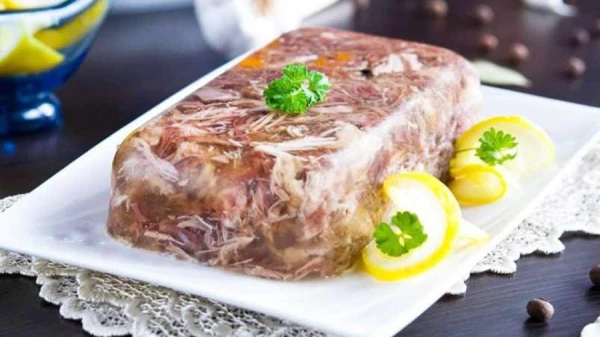
There are two opposing camps — some love aspic and prepare it regularly, while others simply hate it. Discussions about whether aspic should be a mandatory dish on the New Year's table have been ongoing for many years, reports Doctorpiter.
Gastroenterologist Ekaterina Kashukh, a candidate of medical sciences and an expert physician, spoke about the benefits of aspic and how to consume it correctly to avoid harming health.
Caloric content
The caloric content of aspic largely depends on the type of meat used for its preparation, as well as the meat and fat content in the recipe. The most caloric aspic is made from pork: there are about 350 kcal per 100 g of the finished product. Chicken aspic contains about 120 kcal per 100 g, while turkey and beef variants have approximately 80 kcal.
“Homemade aspic is a decent source of protein. It also contains vitamin A, B vitamins, iron, and zinc. This composition positively affects blood formation and supports the immune system,” notes the gastroenterologist.
Moreover, aspic contains lysine — an amino acid necessary for calcium absorption. Therefore, this dish is beneficial for bones, joints, and cartilage.
Collagen in aspic — myth or reality?
Many believe that aspic is rich in the beneficial protein collagen, and its regular consumption can significantly improve skin condition, as well as prolong youth and beauty.
“However, in practice, the situation is somewhat different,” says the doctor. “Collagen is indeed present in aspic, but its molecules are quite large, and they cannot be absorbed in their entirety. In the intestine, collagen breaks down into the amino acids from which it is composed.”
The resulting amino acids are used by the body at its discretion: they may be directed towards collagen synthesis in the skin or towards muscle strengthening. Thus, guaranteed rejuvenation from aspic will not occur — this is just a myth, explains Ekaterina Kashukh.
Not for everyone
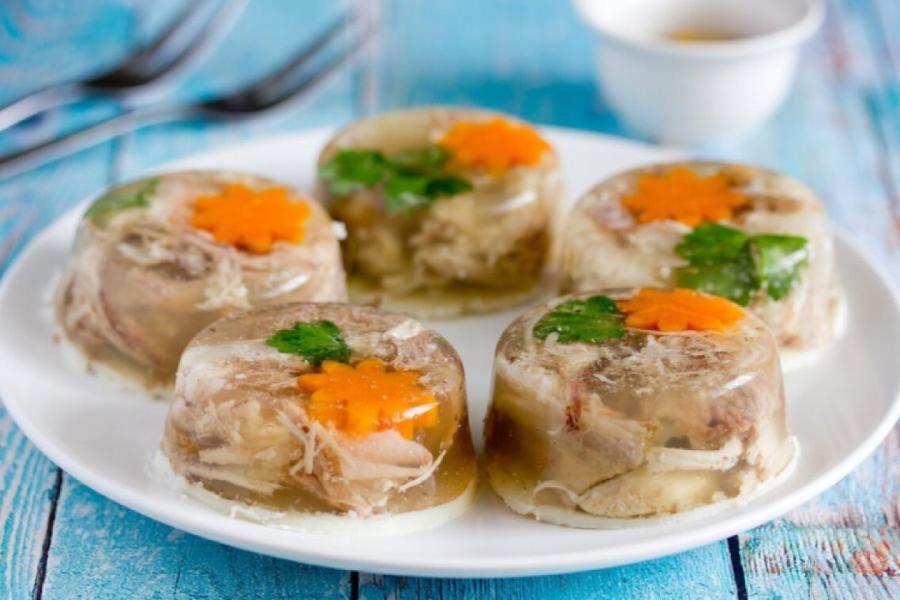
Despite the obvious advantages, aspic also has contraindications. Due to the high concentration of spices and fat, this dish is not recommended for children under three years old: it may be poorly digested and cause irritation of the gastrointestinal tract. For older children, aspic is permissible, but it is better to choose lean options — preferably from turkey or beef. Additionally, aspic should not be included in the daily diet; it should be consumed infrequently.
Also, since aspic contains a lot of protein, people with kidney stones, gastrointestinal diseases, and gout should be cautious. “In gout, uric acid accumulates in the body — the end product of purine metabolism. Aspic complicates the excretion of uric acid through urine and may worsen the course of the disease,” emphasizes the doctor. “Therefore, despite the desire to try this dish at the New Year's table, it is better to refrain from it.”
Those diagnosed with pancreatitis, cholecystitis, and other gallbladder diseases should also avoid caloric varieties of aspic and choose dishes made from dietary meat cuts.
Aspic should not be combined with other high-calorie dishes, such as fried meat or mayonnaise-based salads. Vegetable salads dressed with sour cream can be a good addition to it.
Rules for the perfect aspic
As a broth, do not use liquid made from fried meat or a large number of bones. The level of “bad” cholesterol in such broth will be too high, not to mention that the aspic will turn out to be very caloric.
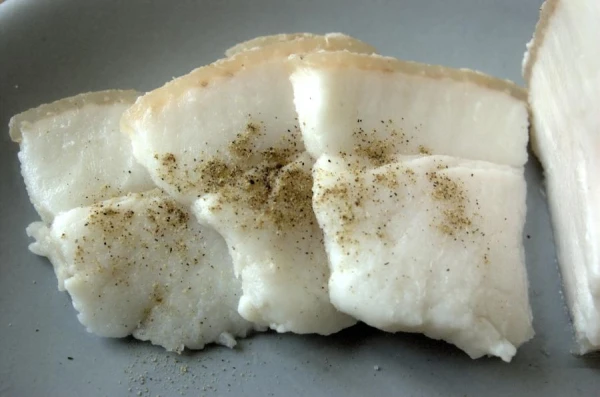
Do not consume aspic made from pork broth too often; it is too fatty. Once a week will be quite enough.
Do not add too many spices to the aspic: salt, bay leaf, black pepper, and cloves are sufficient. Of course, mustard seeds, coriander, and other spices can enhance the flavor of the dish, but in large quantities, they will create an excessive burden on the stomach.
Proper storage of aspic is also important: it should be kept in the refrigerator and not longer than three days.








Leave a comment