
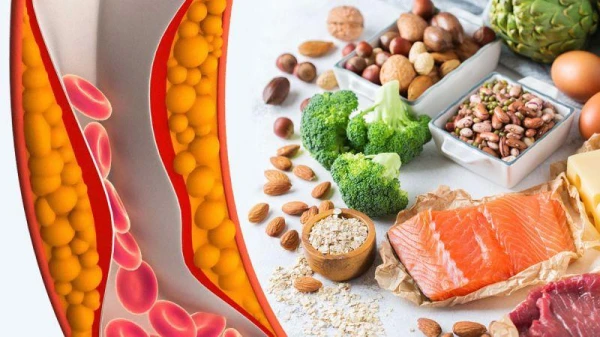
Elevated cholesterol levels in the blood are a direct precursor to plaque formation and vessel blockage. This, in turn, can lead to heart attacks and strokes. It is recommended to regularly undergo tests and monitor cholesterol levels, especially if there have been cases of vascular diseases in close relatives. However, diet is also a crucial aspect.
Cardiologist Natalia Antipina highlighted ten dietary recommendations that can help lower cholesterol levels in the blood.
Instead of red meat, preference should be given to fish, poultry, or legumes such as peas, lentils, and beans. Beef and lamb should be consumed no more than twice a week, and offal, such as liver and kidneys, should be completely excluded from the diet.
When cooking, it is advisable to avoid butter. Even if it is specified in the recipe, it can be replaced with healthier options: flaxseed, sunflower, olive, or soybean oil. However, even vegetable oil should be included in the diet at a minimum of two tablespoons per day.
Eggs are undoubtedly a healthy and nutritious product, but if the goal is to lower cholesterol levels, it is recommended to limit consumption to three egg yolks per week, including those used in the preparation of other dishes.
Sweets such as cookies, pastries, cakes, as well as buns and pies should be limited to one serving per week.
When choosing dairy products, it is important to pay attention not only to the manufacturer but also to the fat content. Products with minimal fat content should be placed in the basket.
Although it may seem that the list of prohibitions is too extensive, this is not the case. Fruits and vegetables have a “green light.” They should be consumed in amounts of at least 400 grams per day, excluding potatoes. Vegetable salads are better dressed with vegetable oil rather than mayonnaise.
Porridge can and should also be eaten, adding dried fruits, fruits, or nuts for flavor enhancement. Instead of regular bread, it is preferable to choose whole grain bread.
Seafood will be very beneficial for blood vessels. For example, mollusks, sea scallops, mussels, and seaweed. However, shrimp should be avoided as they contain a lot of cholesterol.
When cooking, the use of salt and sugar should be minimized. It is better to boil, steam, or bake than to fry.
And finally — complete refusal of alcohol. In any form.









Leave a comment