
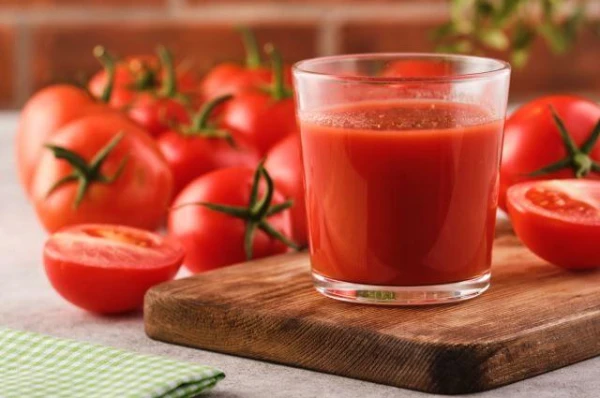
It is impossible to compare the rich taste of ripe seasonal tomatoes with the bland watery vegetables found in stores from autumn to late spring. However, even these "plastic" tomatoes can be significantly improved by using just one simple ingredient that is found in every kitchen.
We will tell you right away: to improve the taste of tomatoes, salt is essential. Yes, regular table salt!
Now, let’s go into detail. In just a few minutes, salt causes tomatoes to release juice, making them less watery, more aromatic, and tastier. But that’s not all! Salt activates the salivary glands, which produce saliva, helping our taste receptors better perceive flavors. It can also soften bitterness, making the taste of tomatoes sweeter and smoothing out flavor contrasts.
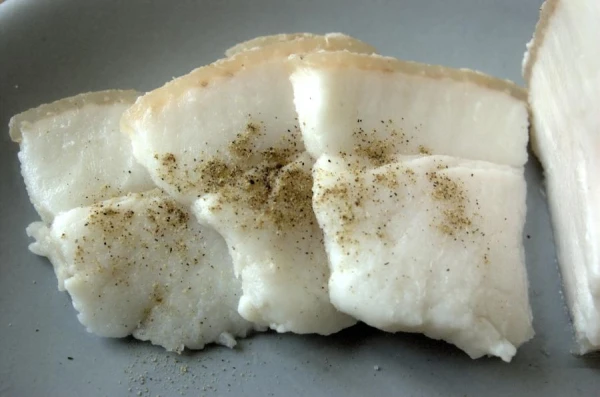
Additionally, a small amount of salt helps reduce acidity. This can be done by using table or sea salt, as well as adding salty ingredients to tomatoes, such as pickles, anchovies, or salty bacon.
Do Tomatoes Contain Salt?
Although many believe that the words “salt” and “sodium” are synonymous, this is not the case. Table salt consists of a mixture of 40% sodium and 60% chlorine.
Sodium is an important mineral necessary for normalizing water balance and maintaining acid-base equilibrium, but only a small amount is needed. Excessive sodium intake can increase the risk of hypertension.
Fresh tomatoes do not contain salt, but they do have sodium: one large tomato contains about 9 mg of sodium. Foods with less than 35 mg of sodium per serving are classified as low-sodium. Each large tomato accounts for 0.4–0.6% of the daily sodium intake, so there’s no need to fear their consumption out of concern for raising blood pressure.
5 Rules for Combining Salt and Tomatoes
All these benefits have made us fans of salting tomatoes, which significantly enhances their taste and aroma. Like most fans, we have a few basic rules.
Drain the Tomato Juice from Salads with Tomatoes
If you have ever added tomatoes to a salad, you have probably encountered a pool of tomato juice at the bottom of the bowl, soaking all the ingredients and diluting their aroma and flavor. What to do? Cut the tomatoes, transfer them to a sieve or colander, and sprinkle with salt. Let them sit for 15–20 minutes, then mix with the other salad ingredients. This will enhance the flavor of the tomatoes and ensure that the only liquid in the bowl is your favorite dressing. Try this with a salad of tomatoes, iceberg lettuce, anchovies, and hard-boiled eggs with a dressing of olive oil and a few drops of balsamic vinegar or lemon juice.
Drain the Tomato Juice, But Don’t Discard It
The same principle applies to tomatoes in any dish you prepare more than 15 minutes before serving. During this time, a pool may form at the bottom of the dish. Don’t discard the tomato juice; use it to make soups, sauces, or gravies. It can be added to a Bloody Mary, dressings, and fillings.
Salt Tomatoes at the Very Last Moment
Do not salt tomatoes immediately after cutting them. Consider their natural juiciness and season the vegetables at the very end—just before serving or adding them to a dish. This is a great way to enhance the flavor of sandwiches, bruschetta, caprese salads, and much more.
Be Sure to Salt Tomatoes Before Baking or Drying
Even if you sauté the tomatoes beforehand, it’s not enough to avoid their wateriness. To enhance the flavor, cut the tomatoes and salt them. If they are cherry tomatoes, cut them in half and sprinkle each half with a couple of grains of salt. Then, place the pieces on several layers of paper towels, flesh side down if possible. Let them sit for 15–20 minutes. Pat the tomatoes dry with clean towels and send them to the oven. This quick “salting” process slightly increases the cooking time, but it is key to preventing excess liquid from forming on the baking sheet or in the dish.
Choose the Right Salt and Its Amount
If you are simply salting tomatoes to drain their juice or preserve it, we recommend using non-iodized table salt of medium or coarse grain. A heaping teaspoon for every 500 g of tomatoes should be sufficient. Sea salt will add a bright sweet note and even slightly change the texture of the most hopeless watery tomatoes, something table salt cannot achieve, chefs assure.
BONUS. Why Do Tomatoes Need Sugar?
If you are cooking greenhouse tomatoes bought out of season—less ripe and aromatic—sugar can help achieve their natural sweetness.
Italians have been adding a pinch of sugar to tomato sauce for generations, using the sweetness of the spice to balance out late-season tomatoes and even to season the ripest tomatoes, as perfection knows no bounds.














Leave a comment