Almost 70 years after his death, the national partisan does not rest.
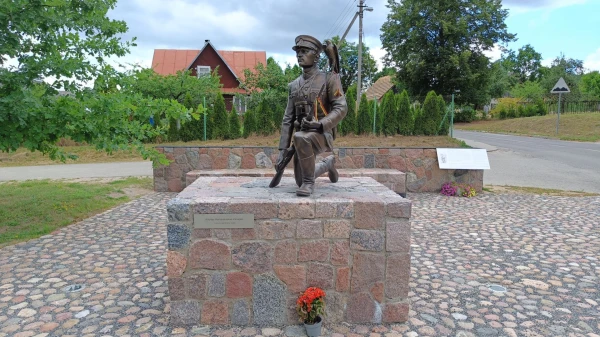
A Lithuanian court sentenced three men to prison terms for the destruction of a monument to a hero of the anti-Soviet underground and actions in the interests of Russia. The court in Kaunas established that two residents of Estonia with Russian citizenship and one citizen of Russia acted on behalf of and for money in the interests of a foreign state.
Polish Radio correspondent Jan Olenski reported from Vilnius:
"The men received sentences ranging from two and a half to four years in prison for assisting another state and damaging the monument to Adolfas Ramanauskas-Vanagas. The monument was desecrated in January 2024 in Merkyne and was splashed with red paint. One of the convicted admitted his involvement in the act of vandalism but stated that he did not know either the customer or the identity of the person commemorated by the monument, and his motive was solely money."
Adolfas Ramanauskas-Vanagas was one of the leaders of the Lithuanian partisan movement fighting against Soviet occupation after World War II.
History professor Liudas Truska attributed to Adolfas Ramanauskas a call made in 1952 for the "forest brothers" to lay down their arms and come out of the forests. However, the Soviet KGB colonel Nahman Dushansky, who participated in the operation to capture Ramanauskas, claimed that this call was made by a namesake of Ramanauskas—a Catholic bishop who had previously been arrested by the security services.
Subsequently, Ramanauskas lived under false documents. He wrote a three-part memoir, which was hidden by Ramanauskas's associates, and its existence became widely known only in 1991 when it was published.
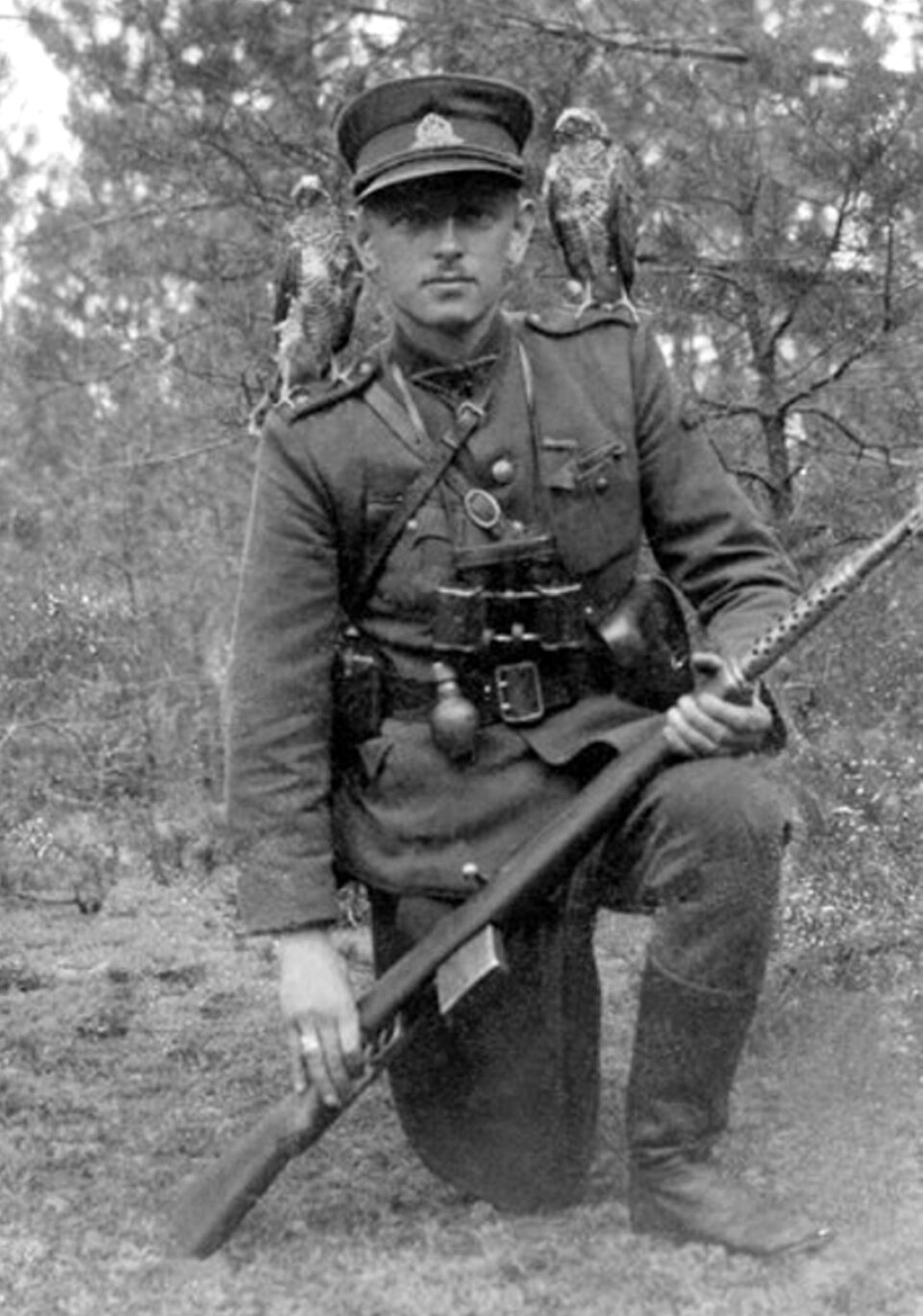
He was executed in 1957, and his remains were reburied with state honors in 2018.
In 2015, a Lithuanian court sentenced participant in the capture of Ramanauskas Stanislovas Drelingas to 5 years "for the genocide of Lithuanian partisans" (in reality, due to health issues, Drelingas served only 5 months and 6 days). On March 12, 2019, the European Court of Human Rights rejected Drelingas's appeal, deeming his conviction not contrary to the European Convention on Human Rights and Fundamental Freedoms. The Grand Chamber of the European Court of Human Rights refused to review this decision.
In 2018, a burial site containing the remains of Ramanauskas was discovered in Antakalnis. This was confirmed by anthropological analysis, DNA testing, and comparison of photographs. It was established that Ramanauskas died from a gunshot wound to the lower jaw, and he was wearing a belt with images of oak leaves and an iron wolf.
<iframe width="560" height="315" src="https://www.youtube.com/embed/KIgXlpP1pik?si=5KA1cx7g6xhEEE8M" title="YouTube video player" frameborder="0" allow="accelerometer; autoplay; clipboard-write; encrypted-media; gyroscope; picture-in-picture; web-share" referrerpolicy="strict-origin-when-cross-origin" allowfullscreen></iframe>