
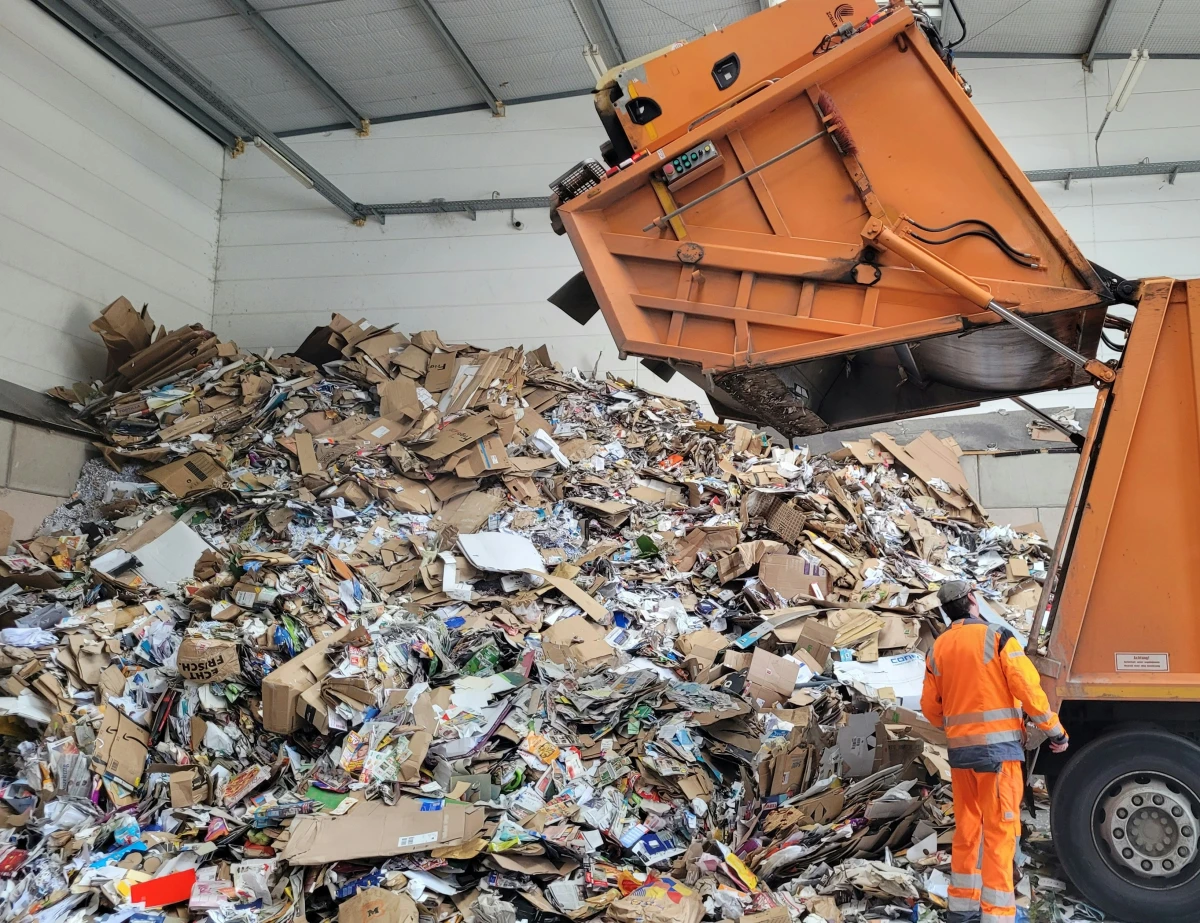
Latvia exports and imports about one million tons of waste annually. However, as the newspaper "Latvijas Avīze" claims, some transports may exist only on paper, allowing unscrupulous entrepreneurs to earn millions of euros and bypass the control system.
The trade in waste has long become a noticeable part of Latvia's foreign trade.
According to data from the Central Statistical Bureau and the State Environmental Service, about one million tons of various waste cross the Latvian border annually. This volume includes both exported and imported materials intended for recycling and reuse.
The main directions of waste movement remain Latvia and Lithuania.
From Latvia, mainly paper and cardboard packaging, metal, plastic, rubber, mechanical processing waste, and used catalysts are sent to the neighboring country. In the opposite direction, plastic packaging, scrap metal, petroleum product waste, and other materials arrive.
At first glance, such a flow is explained by the specialization of waste processing enterprises. For example, Nordic Plast operates in Latvia, which is considered one of the largest plastic recyclers in Northern Europe.
However, as reported by "Latvijas Avīze," some operations may conceal a much less transparent scheme. According to the publication, some entrepreneurs use the cross-border waste transport system to arrange fictitious deliveries. Formally, the waste crosses the border and is directed for processing, but in reality, it may not reach the final destination indicated in the documents.
If such practices do exist, the state loses significant amounts of tax revenue, while participants in the scheme earn hundreds of euros in profit from each improperly declared ton of waste.
This is a market where even small deviations can turn into large sums. With transport volumes in the hundreds of thousands of tons, potential budget losses can amount to millions of euros.
The publication also highlights the role of regulatory authorities. According to the authors of the publication, the ability to declare the movement of waste primarily based on documents creates risks for abuse and raises questions among honest market participants.
The problem is not only Latvian in nature. Approximately 67–70 million tons of waste are transported within the European Union annually. An additional 35 million tons are sent outside the EU, mainly to Turkey. According to estimates from various international organizations, between 15% and 30% of such transports may show signs of legal violations.
Illegal operations with waste are increasingly viewed as one of the most profitable areas of environmental crime. This has previously been noted by the Latvian Financial Intelligence Unit in its report on money laundering risks related to environmental crimes.
As the waste recycling market grows and Europe transitions to a circular economy, the importance of monitoring waste movement will only increase. The question is how effectively government authorities can track the actual routes of waste, rather than just the documents accompanying their transport.





Leave a comment