
Until June 19, investors can submit applications to purchase shares of the state company LAU Infra grupa. Experts describe the offer as attractive in terms of price and dividends, but remind of the risks associated with future contracts and limited growth opportunities in the domestic market.
For the first time in a long time, a state company is entering the Latvian stock market. The placement of shares of LAU Infra grupa is ongoing until June 19, with a price of €1.57 per share. The shares are expected to be included in the official list of the Riga Stock Exchange in early July.
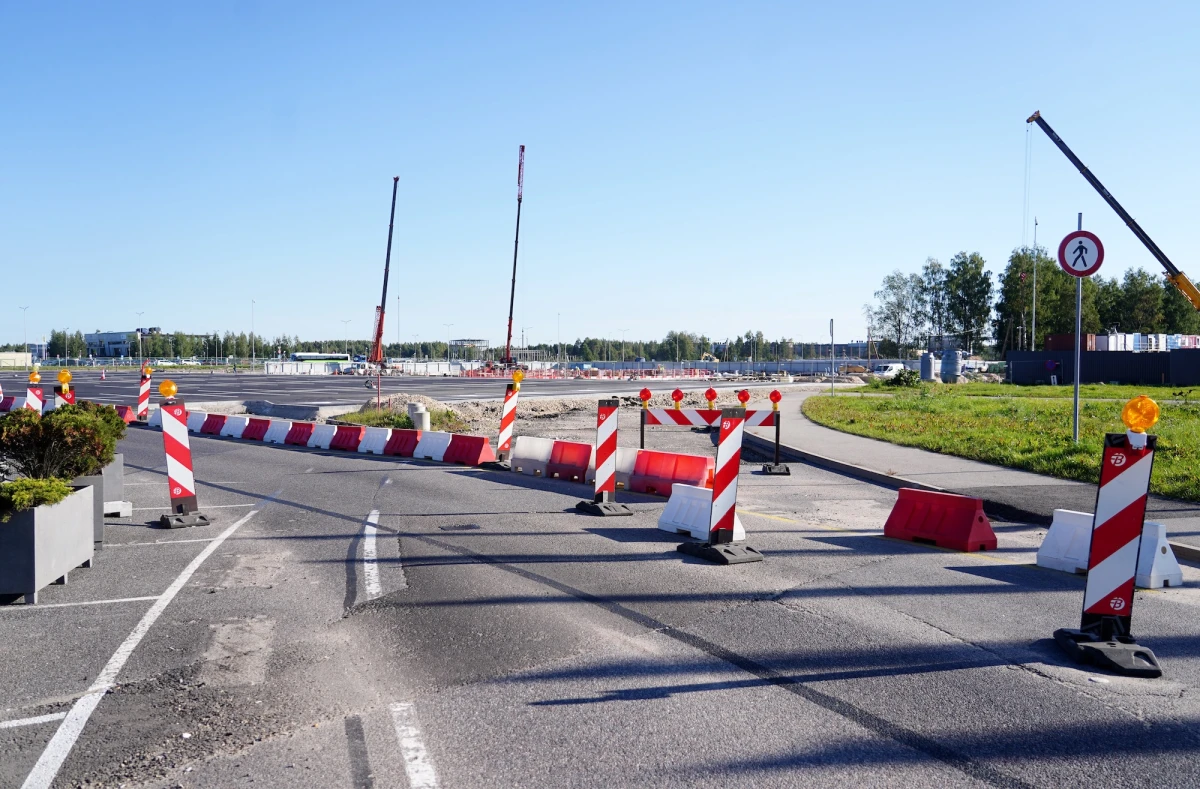
The placement has generated interest among investors, as it concerns a company operating in the maintenance and servicing of road infrastructure.
Andrey Martynov, head of INVL Family Office, considers the offer quite attractive both in terms of the current business valuation and the expected dividend policy. In his assessment, the placement price is closer to the lower end of the possible range. This may indicate that the government's goal is not maximum revenue from the sale of shares, but attracting capital on acceptable terms for the company.
An additional argument in favor of investments is the expected dividend yield of around 7% per year, which is significantly higher than the average figures for many companies in the region. According to Martynov, the valuation of LAU Infra grupa appears moderate compared to similar enterprises in the industry.
However, not all experts are equally optimistic. Julia Bystrova, a partner at Alphinox, points out that the growth potential of the business within Latvia may be limited. The company already services state and regional roads, so further expansion in the domestic market seems to be a challenging task.
Moreover, an important risk factor remains the existing contracts, which expire in 2028. In the case of new tenders, the company may face increased competition and the loss of part of its current workload.
For investors, this is one of the key issues, as a significant portion of the company's future revenues depends on the results of upcoming procurements.
At the same time, experts see new opportunities for development. Among the potential growth areas are public-private partnership projects, infrastructure development, and the implementation of projects related to strengthening the country's defense capabilities.
An additional advantage is the presence of an expense indexation mechanism in some contracts, which allows for partial compensation of inflation impact.
In fact, investors are offered a choice between a relatively stable infrastructure business with dividend potential and risks associated with dependence on government orders.
The market will give a final assessment of the offer after trading begins. However, the placement of LAU Infra grupa has already become one of the most notable events in the Latvian stock market in recent years.













Leave a comment