
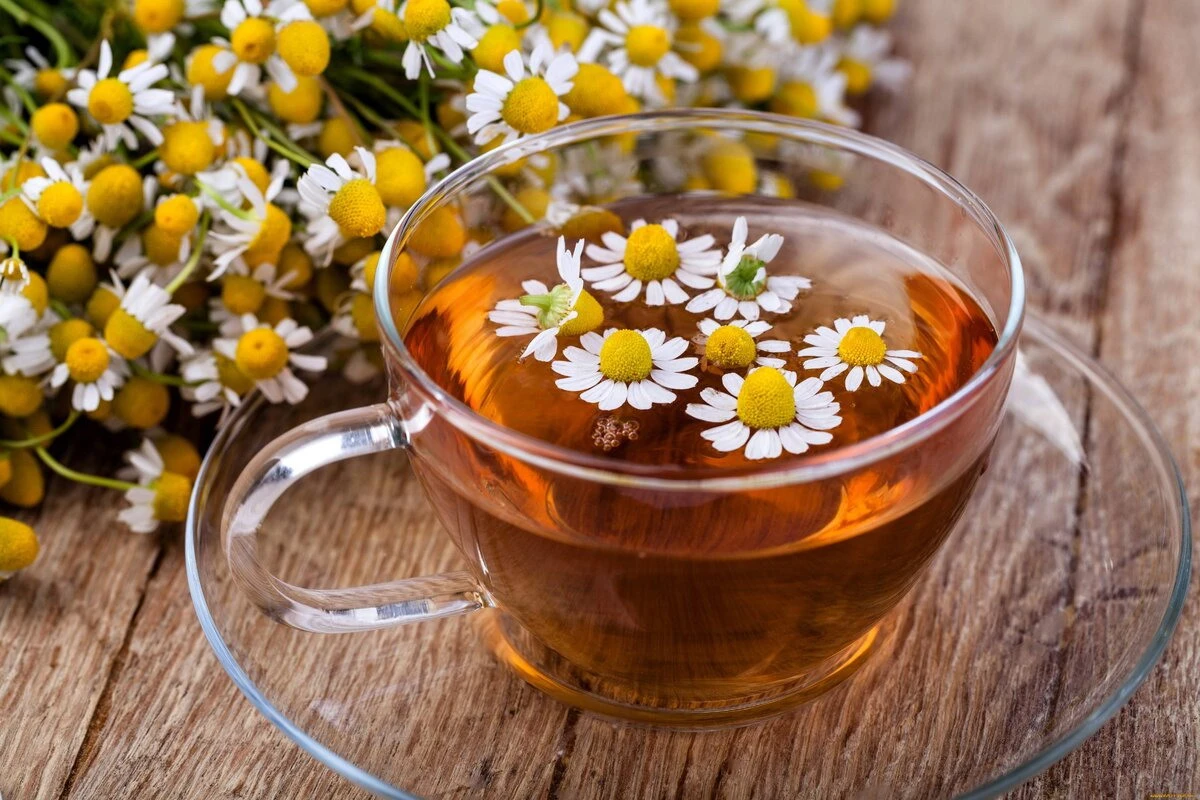
Phytotherapy is experiencing a real boom. Many believe that herbal infusions are safer than pills and can solve a variety of health problems—from insomnia to high blood pressure. Chamomile, calendula, and St. John's Wort are especially popular. However, doctors warn that even medicinal herbs have contraindications and can interact with medications.
+++ Chamomile, Calendula, and St. John's Wort: Which Popular Herbs Can Be Dangerous with Hypertension and Hormonal Disorders
Calendula: Beneficial, but Not for Blood Pressure
Calendula officinalis, commonly known as marigold, indeed has anti-inflammatory and wound-healing properties. It is used for gargling in throat diseases, as compresses for skin inflammations, and as part of remedies for certain gastrointestinal disorders.
As explained by gynecologist-endocrinologist and chief physician Lilia Afanasyeva, the triterpenes, polyphenols, and flavonoids contained in calendula have a spasmolytic effect and can be used as an adjunct in stomach and intestinal diseases.
However, one should not rely on calendula when dealing with high blood pressure.
"The vascular spasms that occur with hypertension are not relieved by calendula. Moreover, its infusion can reduce the effectiveness of sedative and antihypertensive medications," notes the specialist.
Additionally, the plant is considered quite allergenic and is contraindicated during pregnancy.
Chamomile: Not as Harmless as It Seems
Pharmaceutical chamomile possesses anti-inflammatory, antiseptic, and spasmolytic properties. It is traditionally used for stomach and intestinal spasms, painful menstruation, and inflammatory diseases of the throat and skin.
It is also believed that chamomile tea helps to relax and improve sleep.
However, there are limitations here as well.
"Chamomile is classified as an allergenic plant. If a person has a tendency to allergic reactions, caution should be exercised. Furthermore, chamomile is contraindicated during pregnancy and breastfeeding, for young children, and for individuals with blood clotting disorders," says Lilia Afanasyeva.
The specialist emphasizes that chamomile can influence the action of medications, either enhancing or weakening their effects.
St. John's Wort: The Most Dangerous of Popular Herbal Blends
St. John's Wort is considered one of the most active plants used in phytotherapy. It is known for its anti-inflammatory, spasmolytic, and antidepressant properties.
According to the doctor, some components of St. John's Wort can affect metabolic processes in the nervous system, influencing adrenaline and dopamine. This is why the plant is often included in natural calming agents and herbal antidepressants.
However, St. John's Wort has serious side effects. It increases skin sensitivity to ultraviolet light, which raises the risk of sunburn and the appearance of pigmentation spots.
The plant poses particular danger for pregnant women.
"In early pregnancy, St. John's Wort can increase uterine tone and reduce progesterone production, which raises the risk of miscarriage. In late pregnancy, it can provoke premature labor," warns the expert.
St. John's Wort is also not recommended for people with hypertension.
"The disruption of adrenaline reuptake under the influence of St. John's Wort can lead to uncontrolled increases in blood pressure and reduce the effectiveness of antihypertensive medications," emphasizes the doctor.
Why Phytotherapy Remains Popular
The popularity of herbal blends can be attributed to several reasons. They are affordable, easy to use, and create a sense of complete safety.
Many people are convinced that if a remedy is natural, it cannot harm the body.
However, specialists remind us that this is a common misconception.
"The concentration of substances capable of lowering blood pressure in chamomile and calendula is extremely low. On the other hand, other active components, when consumed uncontrollably, can cause undesirable effects. Unlike herbal blends, medicinal drugs undergo multi-stage clinical trials and have a proven safety profile," notes Lilia Afanasyeva.
What Doctors Recommend
Therapists and clinical pharmacologists recommend that patients always inform their doctor about the intake of any herbal infusions and blends, especially if the person is already taking medications for hypertension, depression, thyroid disorders, or hormonal medications.
Even ordinary herbal tea can affect the effectiveness of treatment and alter the action of medications.
Calendula, chamomile, and St. John's Wort do indeed possess beneficial properties; however, they cannot be considered completely safe. People with hypertension, hormonal disorders, allergies, and pregnant women should be particularly cautious. Before using phytotherapy for therapeutic purposes, it is advisable to consult a doctor and remember: natural origin does not guarantee the absence of side effects.














Leave a comment