January brought a rapid increase in the number of orders and turnover, largely driven by cold weather conditions and difficult mobility in both cities and regions.
Compared to January of last year, the turnover increased by a third, confirming that digital purchases are becoming an increasingly significant alternative to traditional in-store shopping.
Elena Buksha, project manager of e-commerce at E-latts.lv, emphasizes that this trend was vividly evident in the first month of the year: "We experienced a sharp increase in orders in the online store, and turnover compared to January of last year increased by more than 30%. The cold weather significantly affected people's daily lives, and many preferred to order groceries online rather than go to the store."
The cold and snowy roads in many parts of Latvia limited the ability to conveniently reach physical stores. In regions where the distances to retail points are usually greater, the impact of the weather was felt particularly strongly. The difficult road conditions led residents to choose remote shopping with delivery. This was reflected in both the increase in the number of orders and the overall turnover.
"Although the work of couriers was complicated, we managed to ensure the delivery of all orders to customers. This was made possible by careful planning and team cohesion," notes E. Buksha. She adds that a similar trend continued in February — there is a similar growth rate compared to last year.
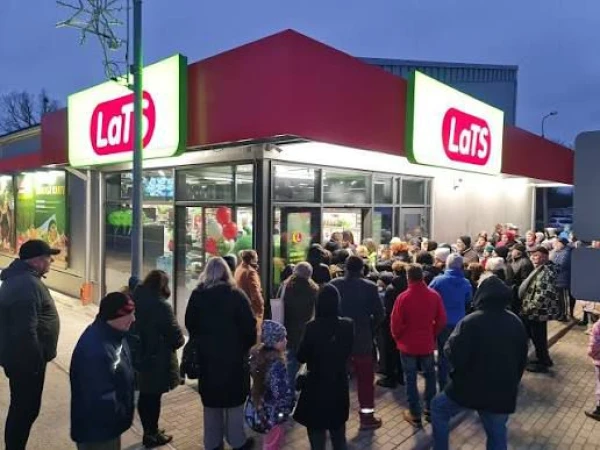
The development of E-latts.lv occurs in a broader context of retail, where the industry as a whole faces rising costs and consumer sensitivity to price changes. However, e-commerce currently serves as an important support mechanism for small and medium-sized retailers operating in the 'LaTS' network. The digital platform allows for expanding the customer base and providing an additional sales channel, especially during periods when physical accessibility restrictions or weather conditions impact in-person shopping.
It has been previously noted that digital solutions are becoming increasingly popular in the regions. For example, in Liepaja, after the departure of a significant competitor, the turnover of the e-latts.lv fulfillment center increased by more than 50%, confirming the interest of local residents in convenient delivery and the opportunity to support local retailers. This experience shows that e-commerce is not only a privilege of large cities but also a real support for small regions.
Experts predict that the role of e-commerce in grocery retail will continue to grow. Although weather conditions are a seasonal factor, digital habits often persist even after the situation normalizes. Once a customer is convinced of the convenience and reliability of the service, they are likely to use it again.