The Ministry of Defense has created a specialized investment fund.
Estonia is increasing investments in the defense sector, aiming to develop its own weapons manufacturing and attract international companies, writes Bloomberg. These steps have already allowed Tallinn to achieve significant growth in arms export revenues over the past three years.
Estonia seeks to create its own defense industry to reduce dependence on foreign weapons, Bloomberg reports.
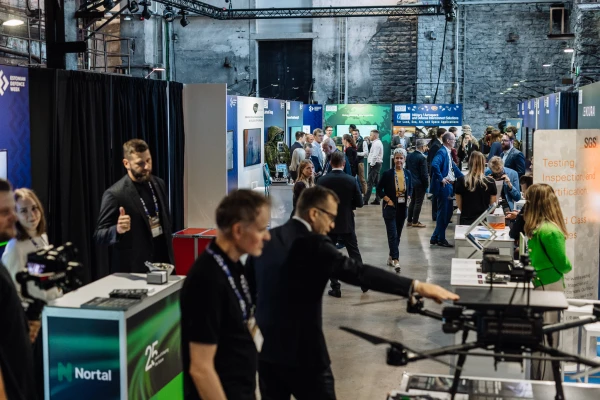
Amid rising tensions with Russia and an increase in military spending to €2.4 billion by 2026, the country is actively supporting the attraction of foreign and local investors to develop the sector. For example, a demonstration of a Ukrainian military drone recently took place in the Tartu County to interest companies in setting up production in the region.
The Estonian Ministry of Defense established a specialized fund of €100 million at the beginning of the year to support startups in the arms sector, hoping that new companies will attract international investments. Currently, there are about 200 defense enterprises operating in the country, with the most well-known being drone manufacturers Threod and unmanned vehicles Milrem. By 2024, the revenue of Estonian defense companies is expected to rise to €500 million from €245 million in 2022.
However, experts note that European and American corporations still dominate the market, and the small domestic demand in Estonia forces companies to focus on exports. Authorities are also trying to avoid the mistakes of previous years when large procurements led to the acquisition of outdated weapon samples. Recently, the Estonian government rejected an unprofitable offer from Germany's Rheinmetall to build a munitions factory.
Two new industrial parks have been allocated for the development of the sector, where munitions and components production is planned. Approximately €50 million has been allocated for infrastructure, and the total investment could reach up to €300 million. At the same time, rapid reforms sometimes face resistance from local residents and bureaucratic issues, which may slow down the launch of new productions.
Analysts and parliament representatives emphasize that creating a domestic defense industry is a matter of national security. However, foreign manufacturers, including Ukrainian Skyassist, note that the bureaucratic procedures of the European Union sometimes do not meet the real-time needs of modern armed conflicts.