It is impossible to be tolerant towards the cult of a formation that committed mass ethnic cleansing.
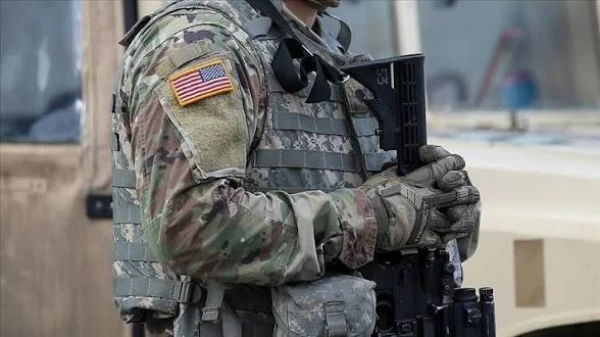
The current crisis in Polish-Ukrainian relations began with a decree from Ukrainian President Volodymyr Zelensky, signed in May 2026. On the occasion of the anniversary of the establishment of the Special Operations Forces of Ukraine, he awarded the Separate Special Operations Center "North" — one of the elite units of the Ukrainian special forces — the honorary title "named after the Heroes of the UPA." The justification for the decision speaks of "restoring the historical traditions of the national army" and "exemplary fulfillment of tasks to protect the territorial integrity and independence of Ukraine" in the war with Russia.
All aspects of the issue are discussed by polskieradio.pl.
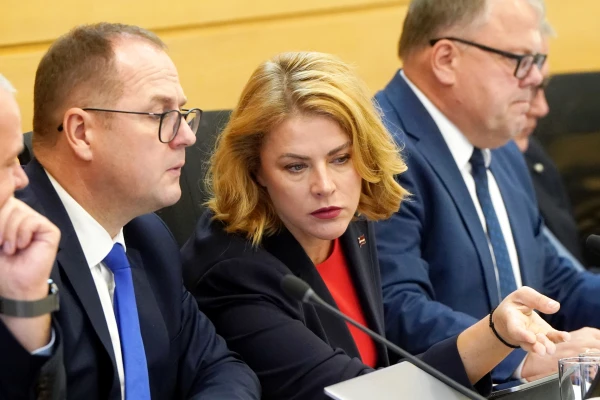
Poland's reaction was immediate and remarkably unanimous. It is rare for almost the entire political scene — from left to right — to speak with one voice. Government representatives called the decision "unacceptable," emphasizing that it wounds the memory of the victims of the Volhynia tragedy. The Polish Ministry of Foreign Affairs also warned that such a step could become "fuel for Russian propaganda," providing the Kremlin with additional arguments to attack Ukraine and weaken Western support for Kyiv.
For many Ukrainians, the current dispute over the UPA seems incomprehensible. Ukraine has been fighting for survival against Russia for more than four years. Poland and the Polish people are among its closest allies. So why do political storms flare up in Warsaw every time Ukrainian authorities honor the UPA or its leaders?
For many people in the West, this conflict appears to be yet another historical dispute in Eastern Europe. However, in reality, it concerns a much deeper issue: the memory of victims, different interpretations of history, and the question of whether it is possible to honor an organization that simultaneously fought for freedom and committed mass crimes.
One abbreviation — two completely different stories The main problem is that Poles and Ukrainians look at the UPA and see two completely different things.
What does the majority of Ukrainians see?
For many Ukrainians, the Ukrainian Insurgent Army is a symbol of the struggle for independence. These are partisans who fought against the Soviet Union, resisted the NKVD, and for many years tried to keep the dream of an independent Ukrainian state alive.
After the Russian aggression in 2014 and the full-scale invasion in 2022, this aspect of history has become even more significant. In the eyes of many Ukrainians, the UPA symbolizes resistance to Russian imperialism. For modern Ukrainian soldiers fighting in Bakhmut, Avdiivka, or Kharkiv, it is part of the tradition of the struggle for freedom.
That is why many Ukrainians do not understand the Polish protests. From their perspective, criticism of the UPA appears as an attack on Ukrainian national heroes during wartime.
What do Poles see?
Poles look at the same organization quite differently. In Polish historical memory, the UPA is primarily responsible for the Volhynia tragedy and the mass killings of Polish civilians in Volhynia and Eastern Galicia during World War II. The victims were mainly women, children, and the elderly. According to estimates by Polish historians, more than 100,000 Poles died. In Poland, these events are officially considered genocide.
It is worth noting that both the perpetrators and the victims of the Volhynia tragedy were mostly citizens of the Second Polish Republic. In 1944, when these events occurred, an independent Ukrainian state did not yet exist.
Therefore, when the modern Ukrainian state honors the UPA, many Poles perceive this not as a remembrance of the struggle for independence, but as glorification of the organization responsible for the deaths of their compatriots.
This aspect often remains unclear to foreign observers. For Poles, the UPA is not a symbol of the struggle against the USSR. It is, above all, an organization associated with one of the largest tragedies in the history of the Polish people.
According to Warsaw, it is impossible to be tolerant towards the cult of a formation that committed mass ethnic cleansing of the civilian population, even if it later fought against the communist regime.
Why does this dispute evoke so much emotion?
Imagine a situation in which a European state decides to honor a military formation, emphasizing solely its struggle against totalitarianism, while omitting the fact that this same formation previously committed mass crimes against the civilian population. This is how many Poles perceive modern Ukrainian memory politics regarding the UPA.
The problem is not in acknowledging the fact that the UPA fought against Soviet power. The problem is that the Ukrainian state often focuses exclusively on this aspect of the organization's activities, sidelining or downplaying its responsibility for crimes against Poles.
Why is this issue particularly painful right now?
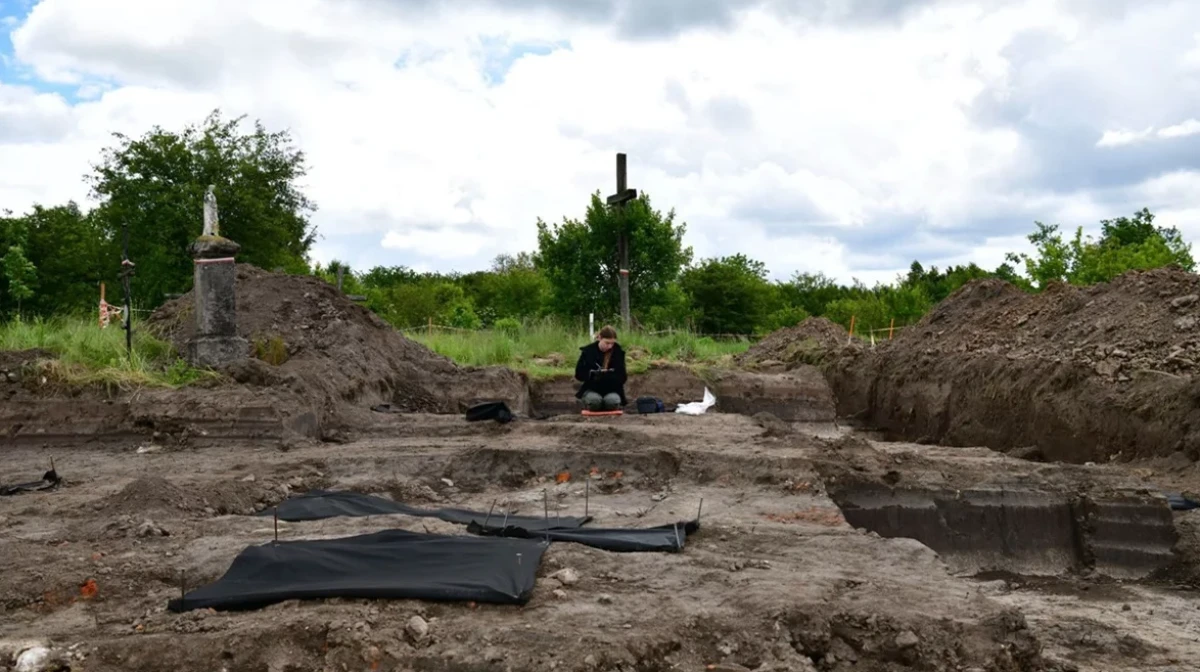
There is another important context that often goes unnoticed outside of Poland. For many years, Warsaw has been seeking the opportunity to conduct full-scale search and exhumation work at the sites of the victims of the Volhynia tragedy. For the families of the deceased, this is a matter of basic human dignity — to find the remains of their loved ones and bury them with dignity.
In Poland, there is a feeling that this process is progressing too slowly and has faced administrative obstacles from Ukraine for many years.
Therefore, when gestures honoring the UPA appear simultaneously, many Poles perceive this as a lack of sympathy for the victims. In their eyes, it creates the impression that the memory of those who committed crimes is deemed more important than the memory of the deceased civilians.
Does this dispute mean the end of the Polish-Ukrainian alliance?
No. This is one of the most common misconceptions that is actively used by Russian propaganda and is often repeated by some foreign commentators. Polish criticism of Zelensky's decree does not mean a change in the geopolitical course.
Warsaw remains one of Kyiv's most important partners. The overwhelming majority of Polish political elites still consider Russia the main threat to European security and support the Ukrainian struggle for independence. At the same time, Poles expect that close partnership will be built on mutual respect and understanding, including regarding the difficult pages of history.
Criticism of the UPA does not mean support for the Russian version of events. On the contrary, many Polish politicians emphasize that the heroization of the UPA provides the Kremlin with ready arguments for propaganda theses about a "Nazi Ukraine."
From Warsaw's perspective, such decisions do not strengthen Kyiv's position but complicate its struggle for international support.
What is important for Ukrainians to understand?
Most Poles do not dispute Ukraine's right to its own national memory and to honor those who fought for the country's independence. The problem arises when the memory of the struggle for freedom completely overshadows the memory of the victims.
Polish outrage is primarily not driven by animosity towards Ukraine. It is based on the belief that genuine reconciliation between peoples is impossible without acknowledging the full historical truth, including its most painful pages.
For many Poles, Ukraine's path to full integration into the European Union goes not only through economic reforms, military successes, or membership in Western institutions. It also involves an honest and open conversation about its own history.