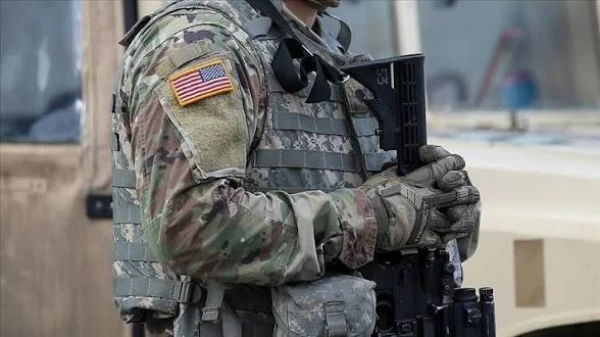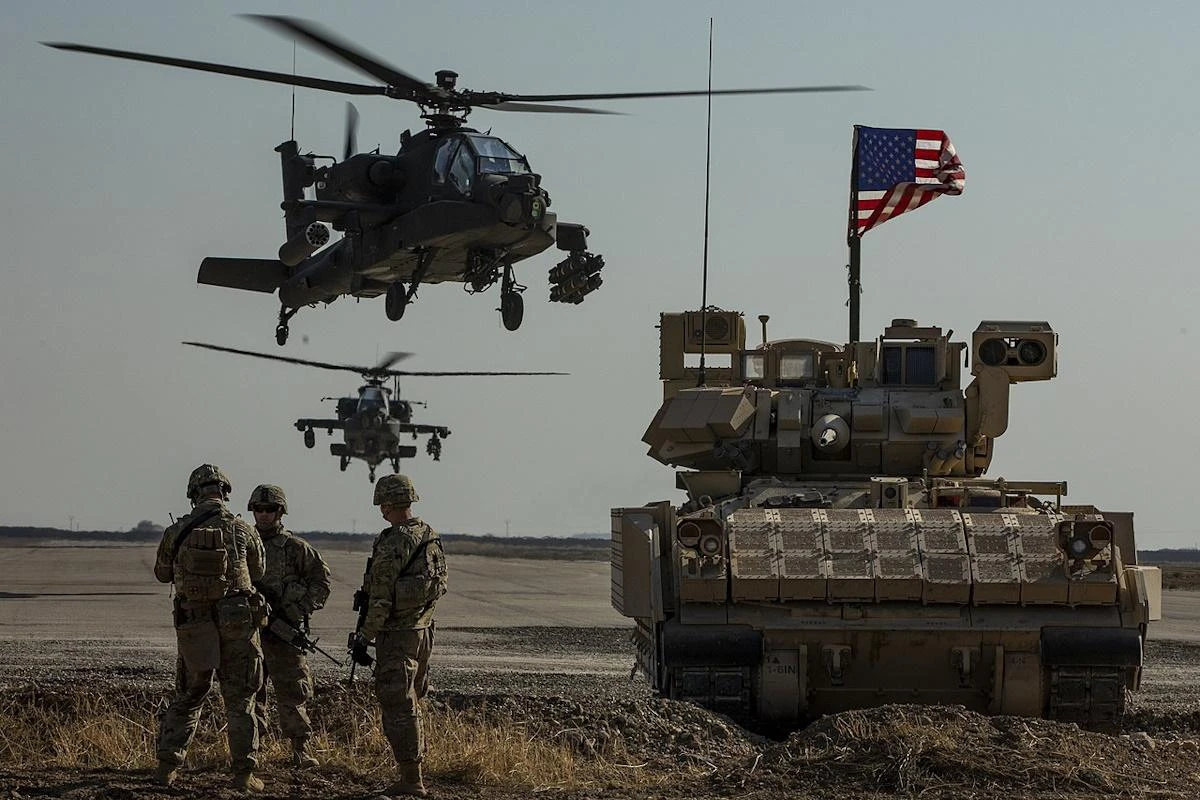
It is most likely that the reduction of forces will be by 3,000 to 4,000 soldiers.
U.S. President Donald Trump views international relations primarily through the lens of agreements and mutual benefits, which has disrupted the usual decision-making coordination mechanism between the Pentagon, the White House, and the National Security team. This was stated by General Ben Hodges, former commander of U.S. forces in Europe, during an interview on the 'Espresso' channel (Ukraine).
"The president and the secretary of defense have repeatedly stated that the American military presence in Europe will be reduced. But I do not know how extensive these reductions will be or if there is even a specific plan. I have spoken with senior NATO and U.S. officers, and they are still waiting for clear guidance from the Pentagon. It seems that there is no complete clarity within the Pentagon regarding what specific changes are being prepared," he noted.
Hodges believes that the number of U.S. troops in Germany may be reduced by 3,000 to 4,000 personnel; however, this seems not very realistic. According to him, it would not be surprising if, in the end, no reductions occur at all.
The general notes that Congress is opposed to such steps and understands well how important the American presence in Europe is. For example, the transfer of an armored brigade to Poland as part of a rotational mission was suspended almost immediately after it began. However, just a few days later, the U.S. president announced plans to send another five thousand troops to Poland.
"Therefore, it seems to me that there is some confusion between the Pentagon, the White House, and the National Security team regarding what exactly President Trump aims to achieve. This is a consequence of the president viewing international relations primarily through the lens of agreements and mutual benefits. At the same time, the usual decision-making coordination mechanism among government structures has been disrupted, and there are no longer as many experienced specialists and established procedures in key positions as there were before. Therefore, unfortunately, I am not at all surprised that there is some confusion in the administration regarding policy towards Europe," emphasized Hodges.
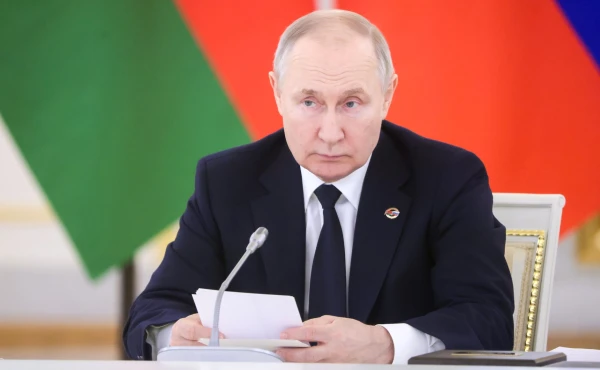
Earlier, French President Emmanuel Macron stated that Trump "almost surrendered Ukraine to Putin in Alaska." According to him, the agreement with the Russian president involved the transfer of even unoccupied Ukrainian territories to Russia.
"The meeting between Trump and Putin in Anchorage, where they almost reached an agreement to say: 'We will give away the territory of Ukraine that is not conquered.' Then we go as a delegation to Washington in August to say: 'This is impossible, we are trying...'. A huge journey has been made. This journey is the victory of Ukrainians in their capabilities and trust," noted Macron.
At the same time, The Economist wrote that Trump has already realized that "today the Ukrainians are the winners." However, Trump's attitude towards the war in Ukraine remains unpredictable. In Europe, it was reminded that he has repeatedly changed his rhetoric regarding support for Kyiv and tends to distance himself from prolonged international conflicts.