
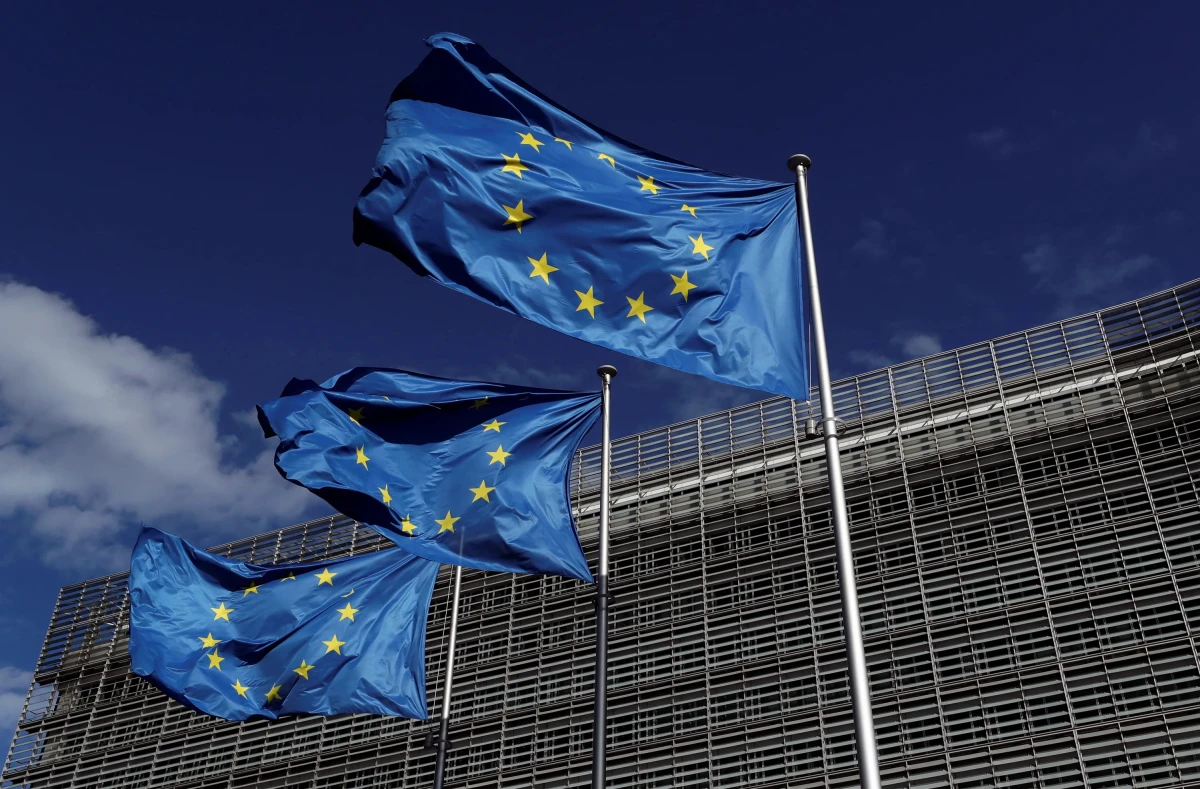
The leaders of the European Union member states, following the European Council summit in Brussels, confirmed their continued support for Ukraine, advocated for increased sanctions pressure on Russia, and called for accelerating arms deliveries to Kyiv.
In the final conclusions of the summit, the heads of state and government of the EU reiterated their unwavering support for the independence, sovereignty, and territorial integrity of Ukraine within its internationally recognized borders.
According to the official final document of the summit, the European Union confirmed its readiness to continue providing Ukraine with political, financial, economic, humanitarian, military, and diplomatic assistance in cooperation with international partners.
One of the important decisions was the welcome of the opening of the first negotiation cluster within the framework of Ukraine's accession process to the European Union. It was emphasized in Brussels that further progress would occur based on the principle of merit and the implementation of necessary reforms.
EU leaders also reaffirmed their position that any peace negotiations regarding Ukraine are impossible without the participation of Kyiv, and that internationally recognized borders cannot be changed by force.
Particular attention was paid to security issues. The European Council called for accelerating the delivery of air defense systems, ammunition, missiles, and drones to Ukraine, as well as expanding arms production in EU countries.
The document also states the EU's readiness to participate in ensuring future security guarantees for Ukraine and to support international efforts to achieve a just and sustainable peace.
Additionally, summit participants confirmed the need for further restoration of Ukraine's energy infrastructure ahead of the upcoming winter season and preparation for an international conference on the reconstruction of Ukraine, which will take place on June 25–26 in Gdańsk, Poland.
Regarding financial support, the EU reminded of the previously approved loan to Ukraine amounting to €90 billion. The decision to allocate it was finalized in April of this year. The funds are intended to cover a significant portion of Ukraine's budgetary needs in 2026–2027. The first tranche is expected by the end of June.
On the issue of sanctions policy, EU leaders confirmed their intention to continue pressure on Moscow. Brussels called for accelerating work on the 21st sanctions package, which, according to the European Commission's proposals, may affect Russian banks, the energy sector, cryptocurrency operations, and infrastructure related to the export of Russian energy resources.
Summit participants also condemned military support for Russia from North Korea, Iran, and Belarus and called for an end to any assistance to Moscow in conducting the war against Ukraine.
A separate point in the final statement contains a demand to return Ukrainian children taken from occupied territories.
Summarizing the meeting, EU leaders stated that against the backdrop of the ongoing war against Ukraine, Europe must significantly strengthen its own defense capabilities by 2030 and enhance readiness for potential security threats.






Leave a comment