Belarus continues negotiations with the U.S. on a large-scale deal that may include the lifting of some sanctions, investments, and political agreements. Against the backdrop of Minsk's independent steps and changes in the policies of other post-Soviet countries, questions are increasingly being raised about whether Russia maintains its previous influence over its closest partners.
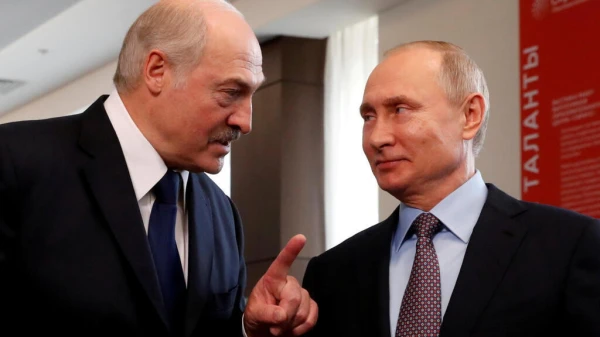
Belarusian leader Alexander Lukashenko has been actively developing contacts with Washington in recent months while simultaneously maintaining allied relations with Moscow. According to data presented in a publication by nra.lv, Minsk has agreed to a number of American conditions, achieved partial easing of sanctions, and continues to discuss a more comprehensive agreement with the U.S.
At the same time, Lukashenko has once again proposed to hold a meeting with Ukrainian President Volodymyr Zelensky, stating that Belarus does not intend to participate in the war against Ukraine in either a military or civilian capacity. The Ukrainian side, however, views such initiatives with skepticism, considering Minsk too closely tied to the Kremlin.
What Belarus Gains
The main interest of Minsk is the economy.
Belarus remains under serious sanctions pressure, and its industry is facing a decline in production. In these conditions, even partial restoration of access to foreign markets is of great significance for the country.
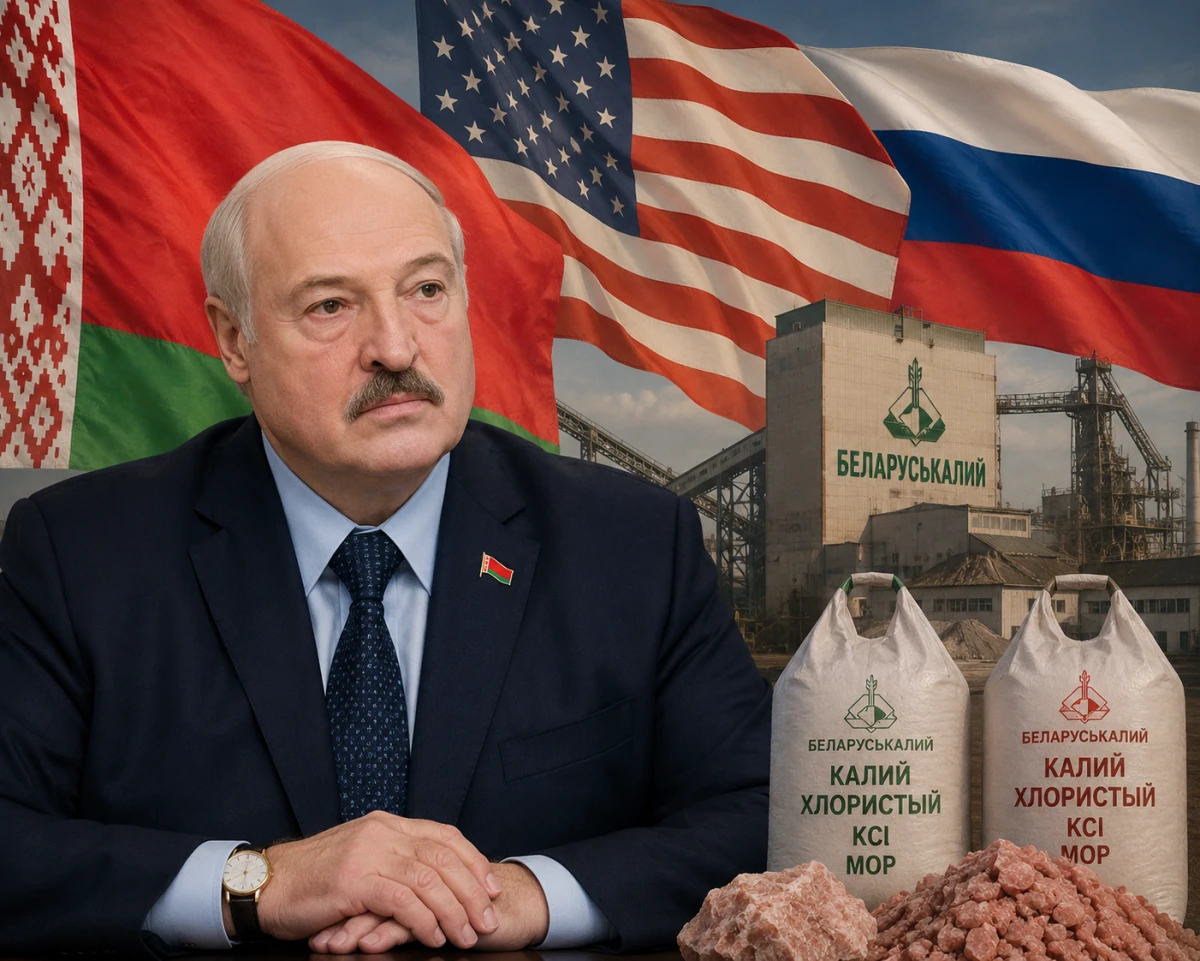
One of the key elements of the negotiations has been the Nezhinsky Mining and Processing Plant project—a large potash enterprise that Minsk is offering to American investors. According to the publication, Belarusian authorities view the deal as a way to attract money into the economy while simultaneously improving relations with the U.S.
Why This Matters for Russia
Observers are particularly drawn to the fact that the negotiations are taking place virtually without Moscow's involvement.
Belarus is traditionally considered Russia's closest ally in the post-Soviet space. However, the author of the article notes that the economic interests of Minsk do not always align with the geopolitical interests of the Kremlin. Therefore, Lukashenko is trying to maintain cooperation with Russia while simultaneously expanding contacts with the West and China.
In this context, other examples of changes in the region are also cited: the victory of Nikol Pashinyan's party in Armenia, active contacts between Yerevan and European partners, and Kazakhstan's independent policy. All of this is seen as signs of a gradual transformation of the post-Soviet space.
"Big Deal" with the U.S.
Lukashenko himself has repeatedly confirmed that negotiations with the American side go far beyond the topics of political prisoners and sanctions.
In an interview with the Russian television channel RT, he stated that it concerns a much broader agreement that should take into account the interests of both sides. According to the Belarusian leader, he is ready to meet with U.S. President Donald Trump if the necessary conditions are created for it.
Experts interviewed in the publication believe that Lukashenko is interested not only in lifting sanctions and investments but also in additional security guarantees amid an unstable international situation.
What’s Next
Despite the active contacts between Minsk and Washington, it is still premature to speak of a sharp turn of Belarus away from Russia.
The Belarusian economy, security, and political system remain closely tied to Moscow. However, the very possibility of independent negotiations with the U.S. shows that even Russia's closest allies are increasingly trying to conduct their own foreign policy and seek additional options to support their interests.