A major update to payment regulations is approaching in the European Union. The new regulations - the Payment Services Regulation (PSR) and the Third Payment Services Directive (PSD3) - will affect the daily lives of millions of residents in Latvia. They will make purchases and transfers safer, and access to cash simpler and more convenient.
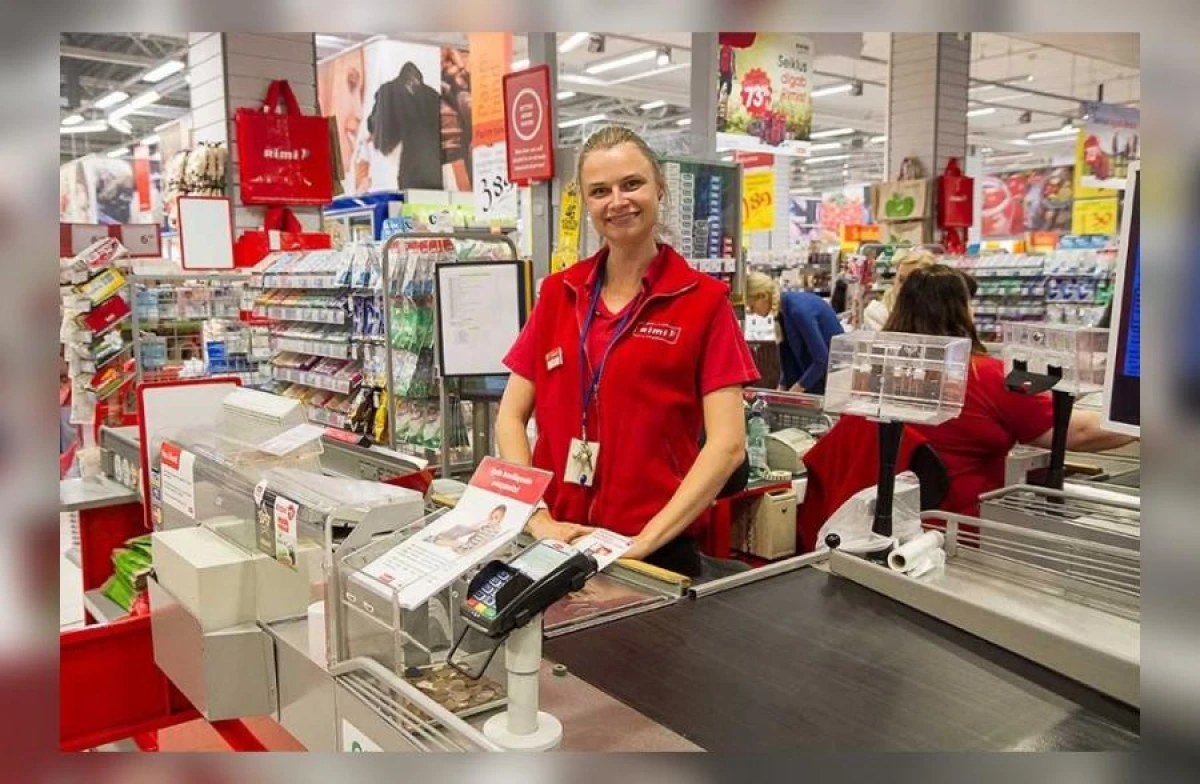
One of the most notable innovations is that regular stores will have the ability to dispense cash to customers even without making a purchase. This will turn retail outlets into a kind of mini-ATMs, especially in small towns and rural areas where real ATMs are becoming increasingly scarce. Stores will be able to do this voluntarily, with clear limits (usually up to 50–150 euros per transaction) and mandatory disclosure of fees.
The reform is primarily aimed at protecting people from fraud. Payment companies will bear greater responsibility if they do not take sufficient measures to prevent deception. Requirements for customer identity verification will be strengthened, and rules for alternative services like Wise, Revolut, PayPal, and others will be tightened. Anonymous transfers for online purchases will become a thing of the past - the principle of "know your customer" will become mandatory.
Additionally, the new rules are expected to increase competition in the market, open up more opportunities for fintech companies, and make the system as a whole more transparent. Customers will gain more clarity about fees, especially when it comes to currency conversion and cash withdrawals.
A political agreement on the Payment Services Regulation (PSR) and the Third Payment Services Directive (PSD3) was reached back in November 2025. Compromise texts were published in April 2026. The documents are expected to be officially adopted and published in the Official Journal of the EU in the coming months. The new regulations will start to be implemented approximately 18–21 months after publication - tentatively in 2027–2028.
In Latvia, the reform is already being actively discussed. Experts from the Bank of Latvia and representatives of the FinTech association emphasize that the changes will require adaptation from banks, stores, and users themselves, but ultimately should make financial services safer and more convenient for everyone.