
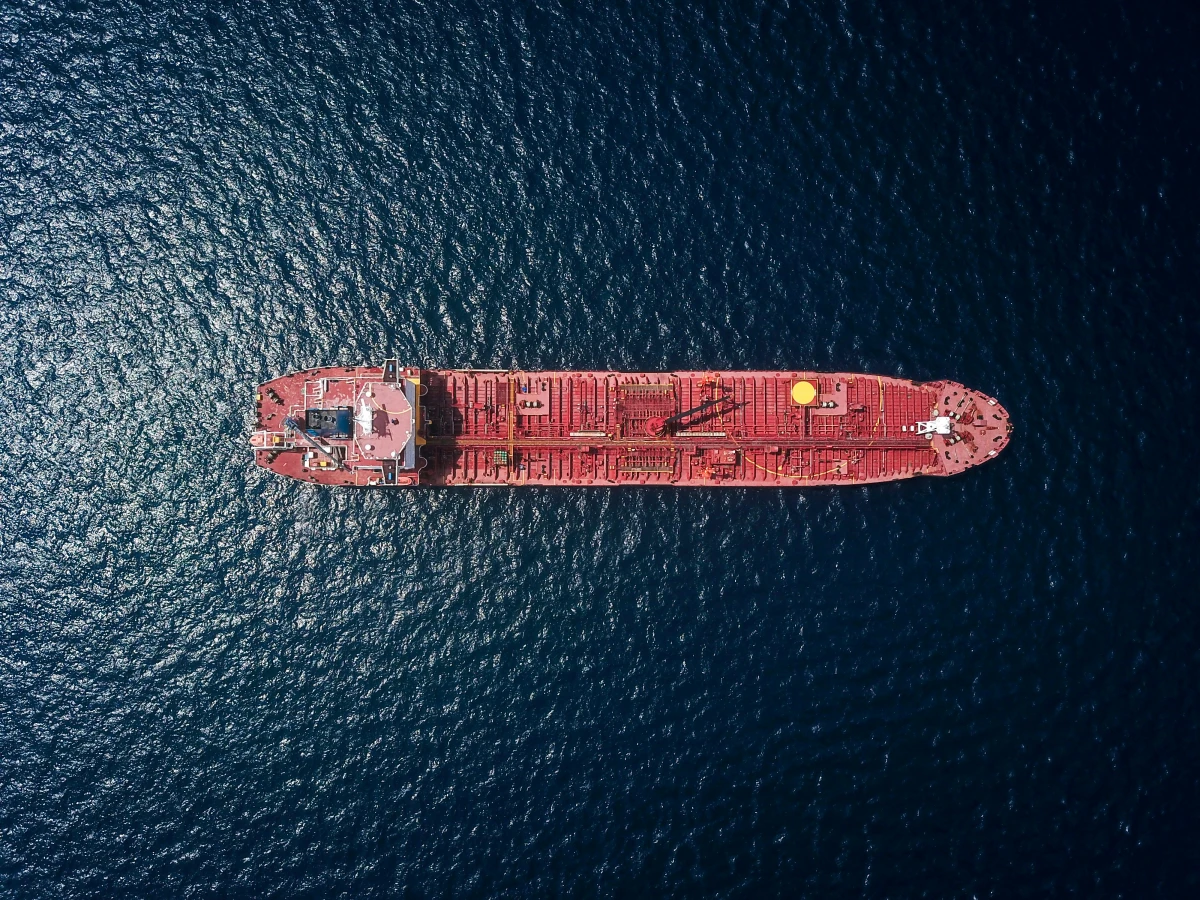
The introduction of a complete ban on maritime services for Russian oil tankers is complicated by the closure of the Hormuz Strait, the silence of the G7, and the resistance of Greece and Malta.
Officials and diplomats in Brussels are increasingly skeptical about the chances of implementing a complete ban on providing maritime services to Russian tankers. Both internal and external factors are influencing the realization of this initiative.
"This will not happen," one diplomat sharply stated.
The ban was approved at the end of April as part of the 20th sanctions package aimed at undermining Moscow's military economy. It includes a ban on all shipping-related services, including banking, chartering, flag registration, and insurance for tankers transporting Russian oil.
However, this step has been postponed indefinitely.
Officially, the pause has been explained by the desire to align the position at the G7 level, following the example of the price cap mechanism introduced together with allies.
"This was the best way to show that we were ready for this," another diplomat said. "It was a conscious decision."
At the same time, other G7 countries have shown little willingness to support the initiative. The United States, on the contrary, has granted sanctions relief regarding Russian oil three times to stabilize the market amid the crisis in the Hormuz Strait. The recent actions of the United Kingdom have also caused confusion in Brussels.
The EU, meanwhile, has refused to ease its own sanctions but has postponed a long-anticipated proposal for a phased ban on Russian oil imports.
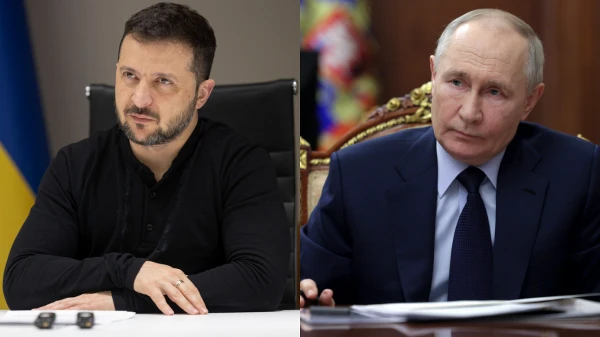
G7 leaders will gather in Évian, France, in mid-June. Ukrainian President Volodymyr Zelensky is expected to participate, calling for tougher sanctions against Russia.
Publicly, the European Commission, as well as the Baltic and Northern European countries, continue to insist on implementing a ban on services and seek to increase the real costs for Russian energy.
However, officials and diplomats acknowledge that turbulence in energy markets, combined with persistently high oil prices, is holding back the launch of the measure, which was presented just weeks before the U.S. and Israel strikes on Iran.
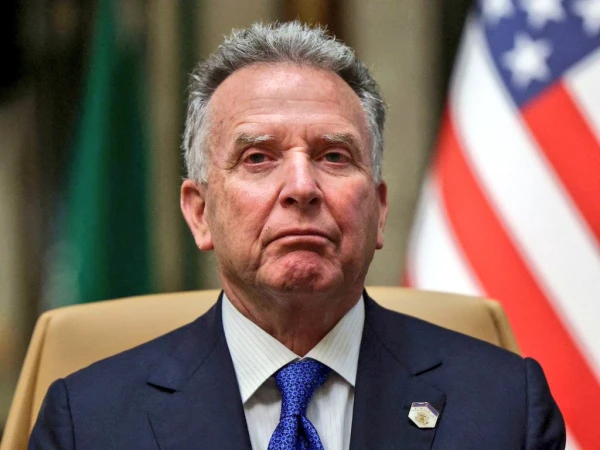
The EU's special representative for sanctions, David O’Sullivan, noted in an interview with Euronews:
"Events in the Persian Gulf have clearly changed the calculations regarding energy. /.../ Now all Western economies are primarily facing the problem of access to energy resources at acceptable prices. There is a supply shortage, for example, of petroleum products: diesel fuel, aviation kerosene, and so on. /.../ Therefore, in my opinion, there is currently no desire to take additional measures that could exacerbate this situation."
Moreover, Brussels still lacks confirmed support from two EU countries whose interests are directly affected, Greece and Malta. Greece hosts one of the largest shipping industries in Europe, while Malta manages the largest ship registry in the EU.
Both countries believe that a complete ban without coordination with the G7 would lead to economic losses, strengthen the position of the Russian shadow fleet, and create advantages for Chinese and Indian operators.
A representative of the Maltese Foreign Ministry warned that unilateral actions by the EU could create vulnerabilities in the sanctions regime.
"The main risk is fragmentation. If coalition participants act uncoordinatedly, operators will simply move from one jurisdiction to another within the same system, reducing the effectiveness of sanctions. Therefore, coordination is key," he told Euronews. "Sanctions must work in practice, not just at a principled level. If key partners do not coordinate their actions, there is a real risk that business will simply relocate to other points within the same broad coalition space, nullifying the intended goal."
The European Commission is preparing a new package of economic sanctions, which is expected to be presented in the coming days.
As hopes for a complete ban diminish, attention is shifting to the price cap mechanism on Russian oil. According to EU rules, the cap must be regularly adjusted and remain 15 percent below the average market level.
Amid rising prices for Urals oil due to supply disruptions through the Hormuz Strait, the next review scheduled for July 15 is likely to lead to an increase in the cap.
Diplomats hope that the EU will find a way to fix the cap and not give Moscow an economic breather.



Leave a comment