The U.S. refused to issue a visa to Russia's Deputy Foreign Minister Alexander Alimov, who was set to participate in the UN Security Council debates in New York. Moscow has already accused Washington of violating international obligations.
Russia stated that the U.S. refused to issue a visa to Alexander Alimov, the deputy head of the Russian Foreign Ministry.
According to Vasily Nebenzya, Russia's permanent representative to the UN, the diplomat was supposed to participate in the open debates of the UN Security Council. Nebenzya noted that the Russian delegation was invited by Chinese Foreign Minister Wang Yi. Since May, China has been presiding over the UN Security Council.
Moscow sharply criticized Washington's decision. The Russian side stated that the refusal to issue a visa is not only a violation of the U.S. obligations as the host country of the UN headquarters but also a manifestation of "disrespect for the Chinese presidency."
Such situations involving Russian diplomats in the U.S. have occurred before. Despite a noticeable warming of contacts between Moscow and Washington following Donald Trump's return to the White House, visa restrictions for some Russian representatives continue to persist.
In recent months, Trump's special envoys have repeatedly visited Moscow, and the U.S. even temporarily lifted sanctions on Kremlin representative Kirill Dmitriev to issue him an American visa. After that, Dmitriev traveled to the U.S. several times and met with American negotiators.
Against this backdrop, the refusal of a visa to Alimov shows that even with a partial improvement in relations between the countries, diplomatic restrictions remain a sensitive issue.
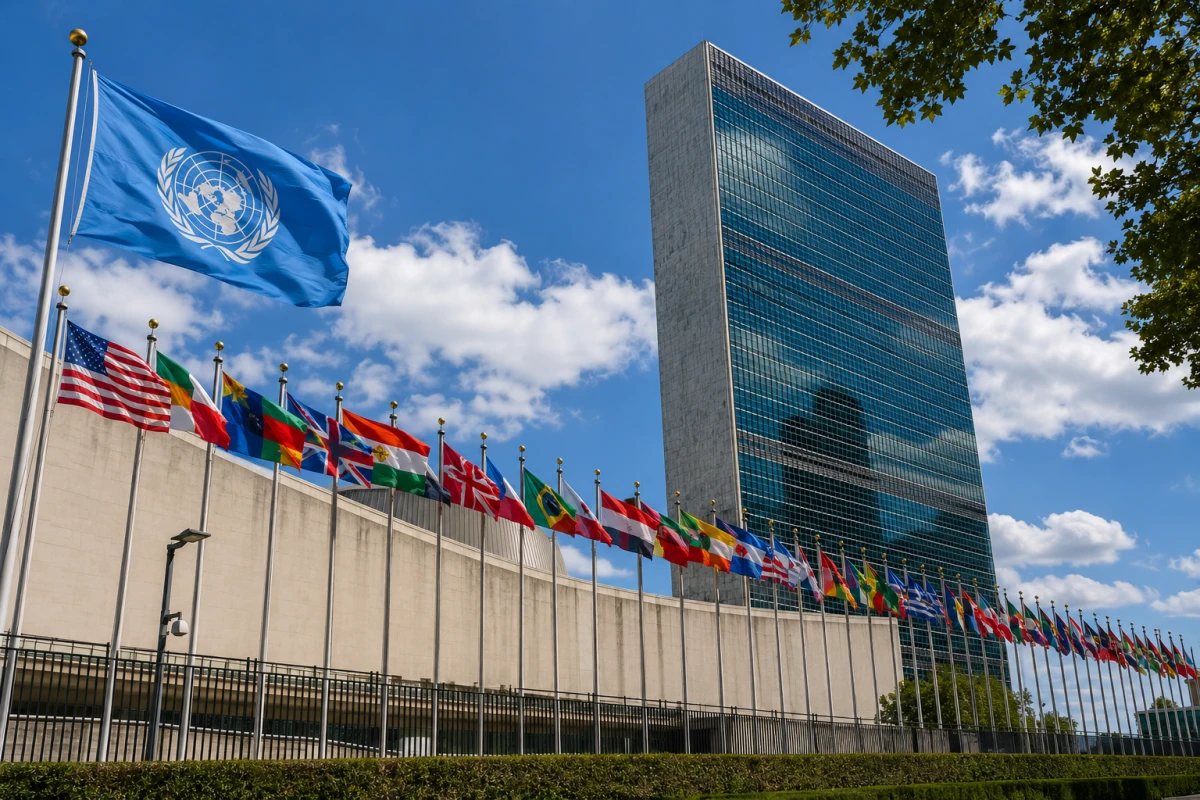
Moscow reacts particularly sharply to such decisions in the context of the UN's work, as the organization's headquarters is located in New York, and the U.S. is obliged to ensure official delegations' access to the organization's events.
In recent years, Russia has repeatedly accused the U.S. of using the visa regime as a tool of political pressure. In this regard, Washington usually cites security issues or internal procedures.
The case with Alimov occurred against the backdrop of ongoing negotiations between the U.S., Russia, and several other countries regarding the war in Ukraine, sanctions, and international security.
It is still unknown whether this new diplomatic conflict will lead to retaliatory measures from Moscow.