Miguel Díaz-Canel stated that a possible military attack by the U.S. on Cuba would lead to a 'bloody slaughter with unpredictable consequences.' Amid rising tensions, Havana accused Washington of attempting to create a pretext for increased pressure and potential aggression.
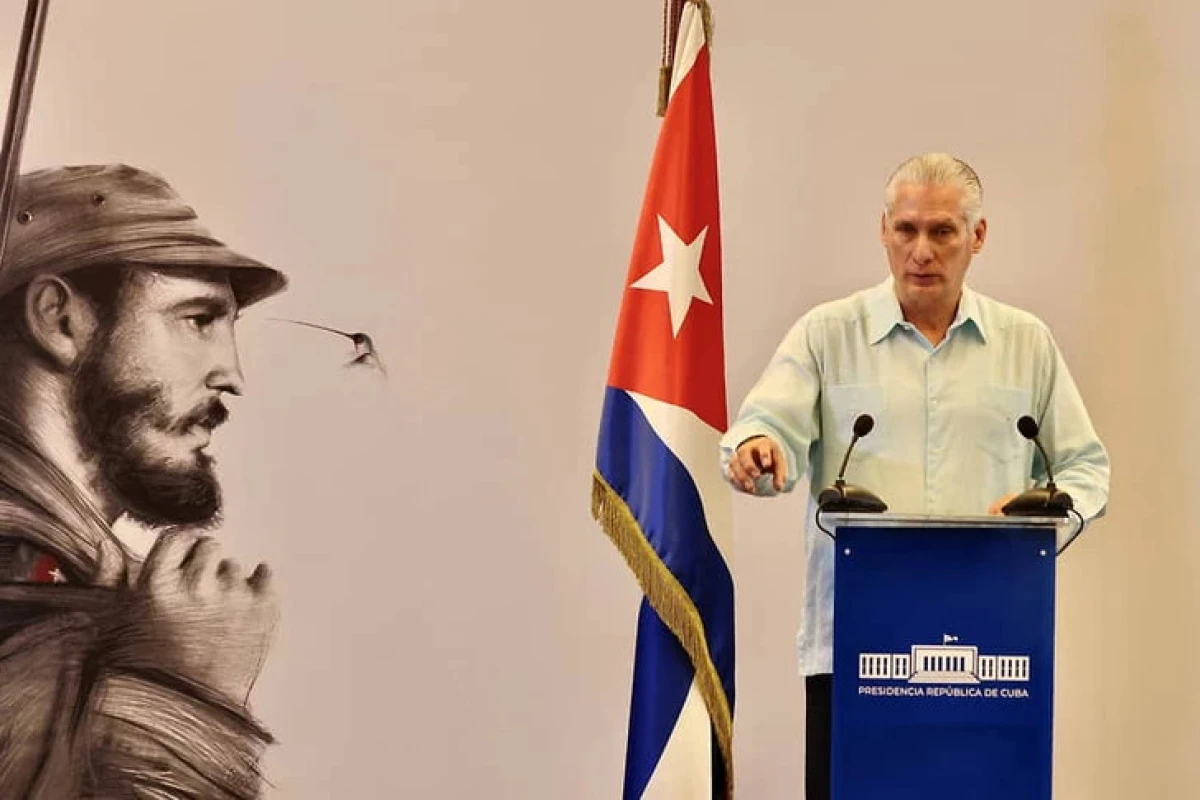
Cuban President Miguel Díaz-Canel stated that a possible military attack by the U.S. on the country would lead to a "bloody slaughter with unpredictable consequences," CNN reports.
According to the Cuban leader, the island poses no threat to the U.S. and has no aggressive intentions towards any country. At the same time, he emphasized that Cuba has the legitimate right to defend itself against external aggression.
"Cuba poses no threat and has no aggressive plans or intentions towards any country. It does not have them towards the U.S., and it never has, as the government of that state is well aware."
The Cuban leader stated that Cuba "is already suffering from multidimensional aggression from the U.S.," and emphasized that this "cannot logically or honestly be used as a pretext for unleashing war against the noble Cuban people."
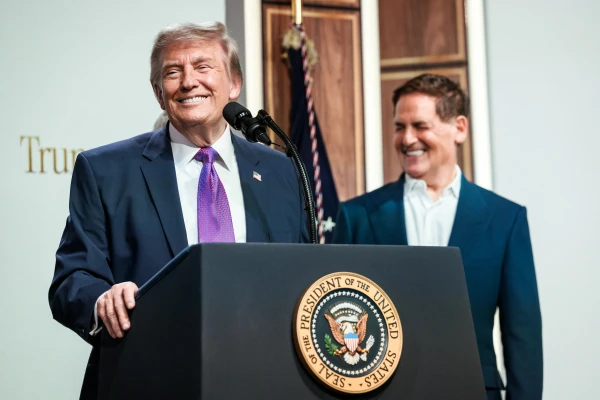
The country's Foreign Minister Bruno Rodríguez added that the Donald Trump administration "day by day fabricates a case to justify the ruthless economic war against the Cuban people and possible military aggression."
"Those who seek to illegally attack Cuba resort to any pretext, however false and absurd, to justify an attack that contradicts public opinion in the U.S. and the world," wrote the head of Cuba's Foreign Ministry.
Amid the threat of invasion, Cuba's Civil Defense has begun disseminating instructions to the population in case of war. Citizens are advised to prepare emergency backpacks with non-perishable food and to respond to air raid sirens.
On May 17, the American publication Axios, citing intelligence data, reported that Cuba had acquired more than 300 military drones, presumably from Russia and Iran, and allegedly discussed plans to use them to strike U.S. naval bases in Guantanamo Bay, U.S. warships, and the city of Key West in Florida.
Cuban Foreign Minister Bruno Rodríguez responded by accusing the U.S. of fabricating a case about the drone threat to justify economic sanctions and potential military invasion. On Monday, May 18, the U.S. imposed sanctions on 11 high-ranking Cuban officials, including the Minister of Communications and parliamentary leadership, as well as on the country's main intelligence agency and the Ministry of the Interior.
Additionally, the U.S. Department of Justice plans to file criminal charges on May 20 against 94-year-old former Cuban leader Raúl Castro in connection with the downing of two planes from the humanitarian organization Brothers to the Rescue in 1996.
Amid sanctions, accusations of preparing drone attacks, and discussions of a possible invasion, the situation in the Caribbean region is becoming increasingly alarming, reports bb.lv.