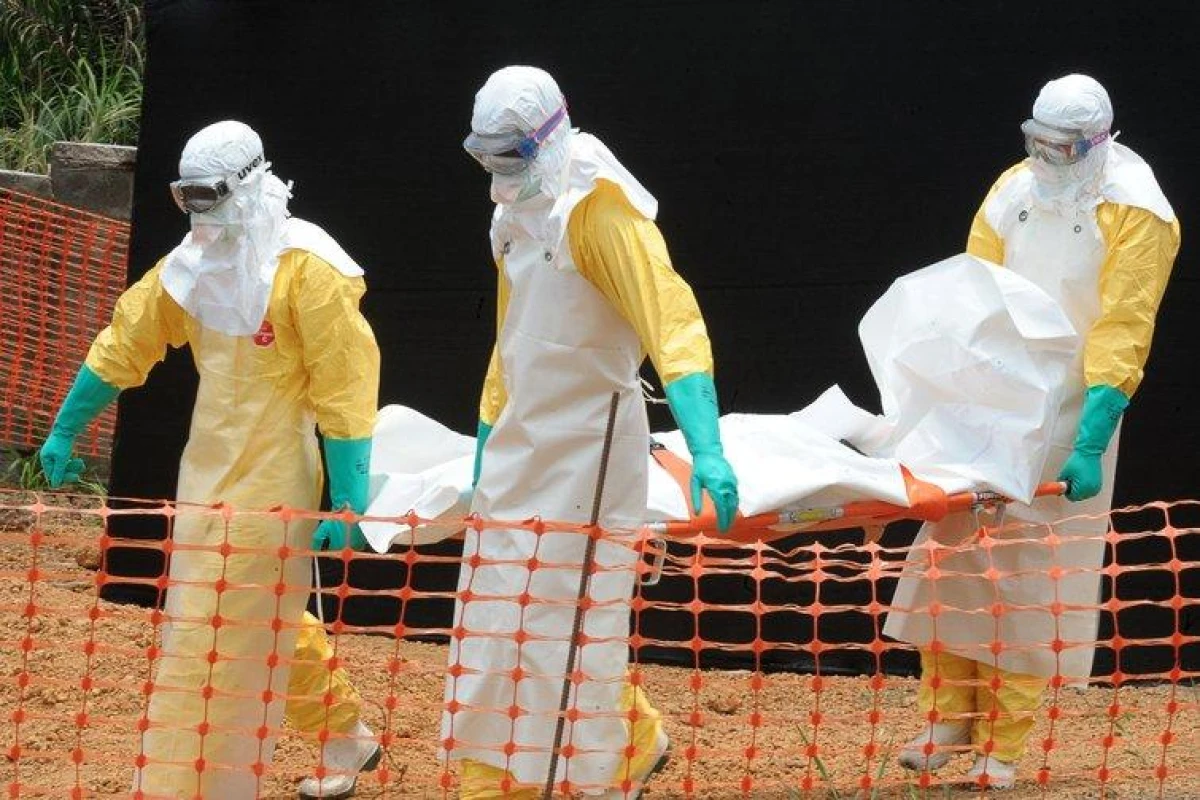
The outbreak of the "Bundibugyo" strain of the Ebola virus has claimed the lives of 88 residents of the DRC and Uganda, with over 330 cases reported in the region. The actual number of infected individuals may be significantly higher, warns the WHO.
Due to the outbreak of "Bundibugyo" - a rare strain of the Ebola virus - in the Democratic Republic of the Congo (DRC) and Uganda, the World Health Organization (WHO) has declared the second of three levels of alarm in terms of severity. The new surge of the "Ebola virus variant represents a "public health emergency of international concern," the WHO stated on Sunday, May 17. Currently, the outbreak does not meet the criteria for declaring the highest level of alarm - a pandemic, the organization clarified.
According to the African Centers for Disease Control and Prevention (Africa CDC), 88 people in the DRC have already died, presumably infected with the "Bundibugyo" variant of the virus. Nearly 336 suspected cases have been registered, but the actual number may be significantly higher, the WHO warned.
Ebola often results in fatal outcomes. During epidemics in past years, between 25 to 90 percent of those infected with this viral infection died. Patients with Ebola suffer from fever, muscle pain, diarrhea, as well as internal bleeding and, consequently, organ failure. Transmission occurs through direct contact with the bodily fluids of an infected person.
Current Ebola Outbreak - 17th in DRC
The new Ebola outbreak was reported on May 15 by the authorities of Ituri province in northeastern DRC, where military conflicts occur systematically. In neighboring Uganda, a man infected with this virus also died - he was found to have the "Bundibugyo" strain. There is neither a vaccine nor specific treatment for this strain, and the mortality rate reaches 50 percent, noted DRC Health Minister Samuel Roger Kamba. Existing treatment methods and vaccines were developed primarily against the previous - "Zaire" - strain.
Additionally, the province most affected by the new outbreak is experiencing an acute humanitarian crisis and intense population displacement, and therefore it is referred to as a "state of emergency," the dpa agency notes. All ten neighboring countries of the DRC - primarily Uganda and South Sudan - are now at high risk, the WHO warned. These African nations should urgently take measures to promptly identify and treat new emerging cases of Ebola, the organization emphasizes.
The current outbreak has already become the 17th Ebola epidemic in the Democratic Republic of the Congo. The previous surge occurred in August 2025, when 34 people died. The largest outbreak in the country lasted from 2018 to 2020, during which approximately 2,300 deaths were recorded. Over the past 50 years, around 15,000 people have died from this disease in Africa.