
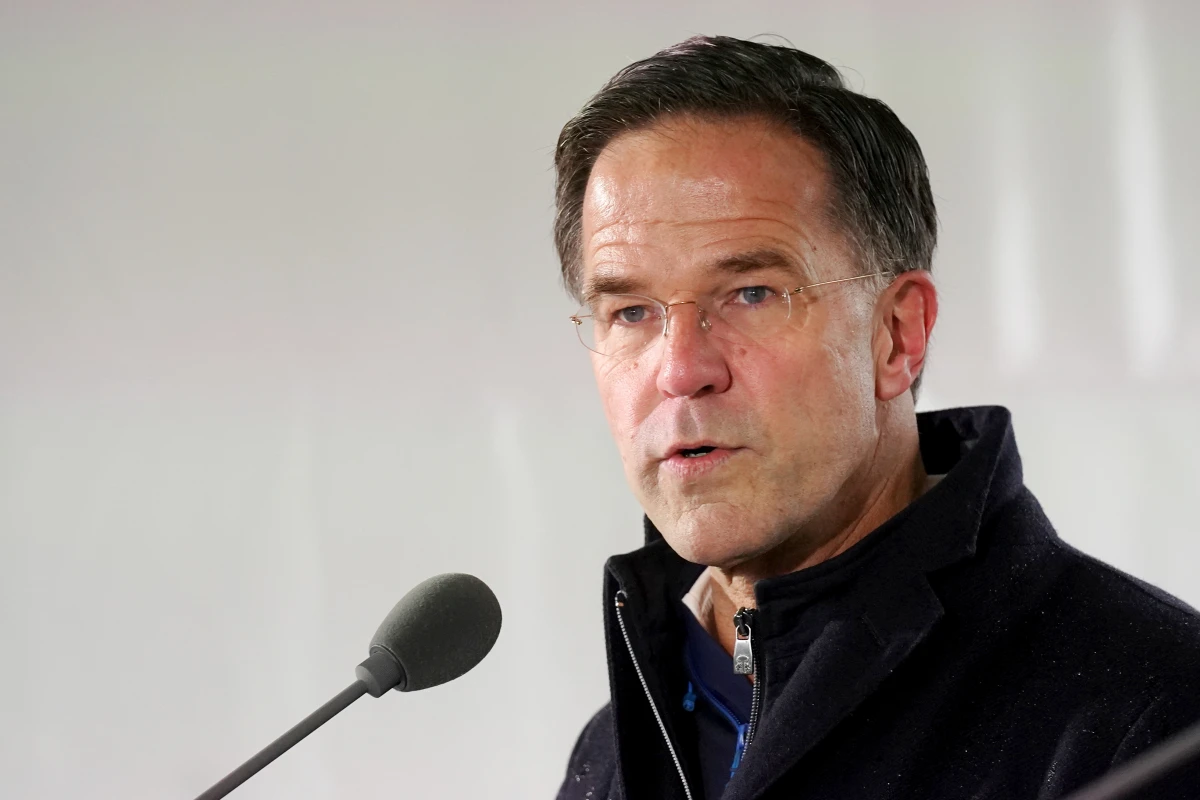
NATO Secretary General Mark Rutte proposed allies to establish a new level of long-term support for Ukraine - to annually provide Kyiv with aid amounting to 0.25% of GDP. The initiative could increase funding to hundreds of billions of dollars, however, it has already faced resistance from some alliance countries.
NATO chief Mark Rutte urged allies to allocate 0.25% of their GDP to Ukraine, seeking to ease growing tensions within the alliance regarding aid to Kyiv. This was reported by Politico.
It is noted that this proposal, which could free up tens of billions of dollars in additional aid, is already facing strong resistance from some major NATO members.
The alliance's Secretary General raised this issue at a closed meeting of NATO ambassadors at the end of last month. He spoke in preparation for the upcoming July summit of the alliance in Turkey.
"Rutte and many of us want to ensure that support for Ukraine will be consistent and predictable," said one NATO diplomat.
Importantly, if allies approve this idea, annual flows to Ukraine would effectively triple to reach $143 billion, based on the alliance's own estimate of the combined GDP of NATO countries.
Rutte's proposal is partly a response to dissatisfaction among some capitals that they are doing much more than others to assist Kyiv. According to the Ukraine Support Tracker analytical center of the Kiel Institute, the countries of Northern Europe and the Baltics, the Netherlands, and Poland allocate a higher percentage of their GDP to military aid for Ukraine than many other allies.
The Kiel analytical center emphasized that Northern European countries contribute significantly more than required, major Western European countries roughly correspond to their GDP, while Southern Europe "remains a small donor."
Rutte aims to ensure support for Ukraine while minimizing disagreements within the alliance; aid to Ukraine has been in chaos since Donald Trump suspended nearly all new military assistance, leaving European countries and other allies to bear the brunt of support for Kyiv.
He stated, "We are going to the summit in Ankara, which will certainly be largely dedicated to Ukraine - maintaining its position as strong as possible."
Resistance from Allies
According to diplomats, Rutte's proposal has met skepticism from some allies, including France and the United Kingdom, meaning that in its current form it is unlikely to be implemented. Any alliance-wide goal must be agreed upon by all NATO members.
The idea of establishing a target percentage of GDP is just one of several being worked on to achieve a concrete outcome for Ukraine at the summit on July 7-8.
"In Ankara, allies must show Ukraine that NATO supports it in the long term. This means money, weapons, and political commitment," said a NATO diplomat.
It is noted that an additional complication for aid calculations is that some NATO allies, who are also EU members, want their contributions to the recently approved €90 billion loan to Ukraine - €60 billion of which will go to military expenses - to be "taken into account" in any future proposals asking them to raise more funds for Kyiv.
According to diplomats, the alliance's foreign ministers are likely to discuss this issue at a meeting next week in the southern Swedish city of Helsingborg. They added that this meeting could provide an opportunity to assess support for various measures. A NATO representative, speaking on behalf of the organization, stated, "We do not disclose internal discussions, but support for Ukraine remains a priority, and NATO will continue to pursue this ahead of and after the summit."
The discussion shows that there is still no unified approach to the scale of aid to Kyiv among allies. The outcomes of the negotiations could become one of the key issues at the upcoming NATO summit in Turkey.







Leave a comment