
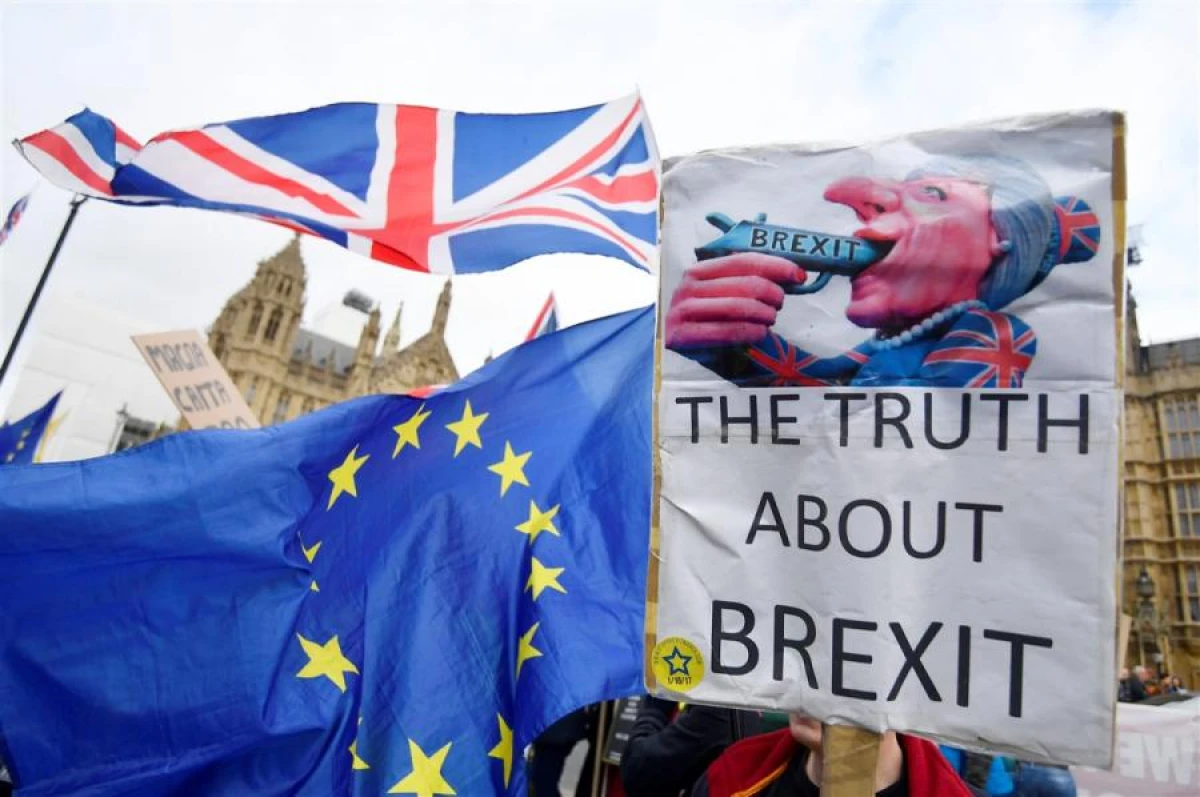
The European Union has demanded that the United Kingdom resume regular financial contributions in exchange for maintaining preferential access to the common market of the union.
According to The Times, citing official sources in Brussels, the contribution amount is calculated based on the scale of the British economy and the volume of benefits that the United Kingdom receives from duty-free interaction with European counterparts.
This issue became key during the May 2026 negotiations aimed at stabilizing economic relations after a prolonged period of uncertainty. European officials insist that participation in the single market requires shared responsibility for maintaining its infrastructure and development programs.
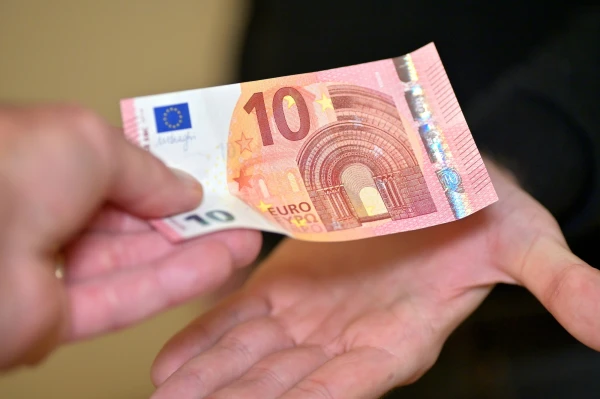
As a precedent, representatives of the European Union cite the agreement with Switzerland. This country, not being an EU member, agreed in 2025 to pay €375 million annually to the EU Cohesion Fund in order to maintain access to key market sectors.
However, due to significantly larger trade volumes and GDP of the UK, Brussels has set a benchmark for London that is nearly three times higher than the Swiss figure. Within the EU, it is emphasized that such payments are a standard condition for partner countries wishing to enjoy the benefits of a free trade area without full membership in the bloc.
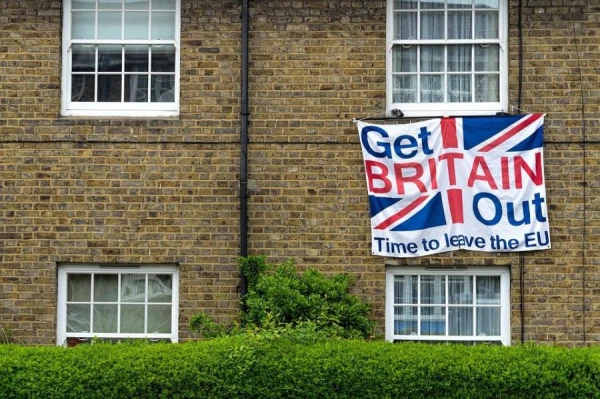
The British side has not yet officially confirmed its readiness to accept the proposed terms. In London, it is noted that any new financial obligations to the EU must be accompanied by a significant reduction in regulatory barriers that arose after the country left the union.
Currently, experts consider this requirement as a starting point for lengthy consultations on a new format of economic partnership. The situation is complicated by internal political discussions in the UK, where the issue of resuming billion-pound payments to the EU budget remains extremely sensitive for taxpayers.
It is expected that a final decision on this request will be made by the end of the current financial quarter. If the parties do not reach a compromise on the amount of the annual contribution, British companies may face additional tariffs and complications in customs procedures, which will negatively affect the dynamics of trade between London and EU countries.









Leave a comment