The holding of the May 9 parade in Moscow without military equipment says a lot about how the war with Ukraine is going for the Russian Federation. This was stated by the head of EU diplomacy Kaja Kallas at the meeting of the leaders of the Nordic-Baltic Eight.
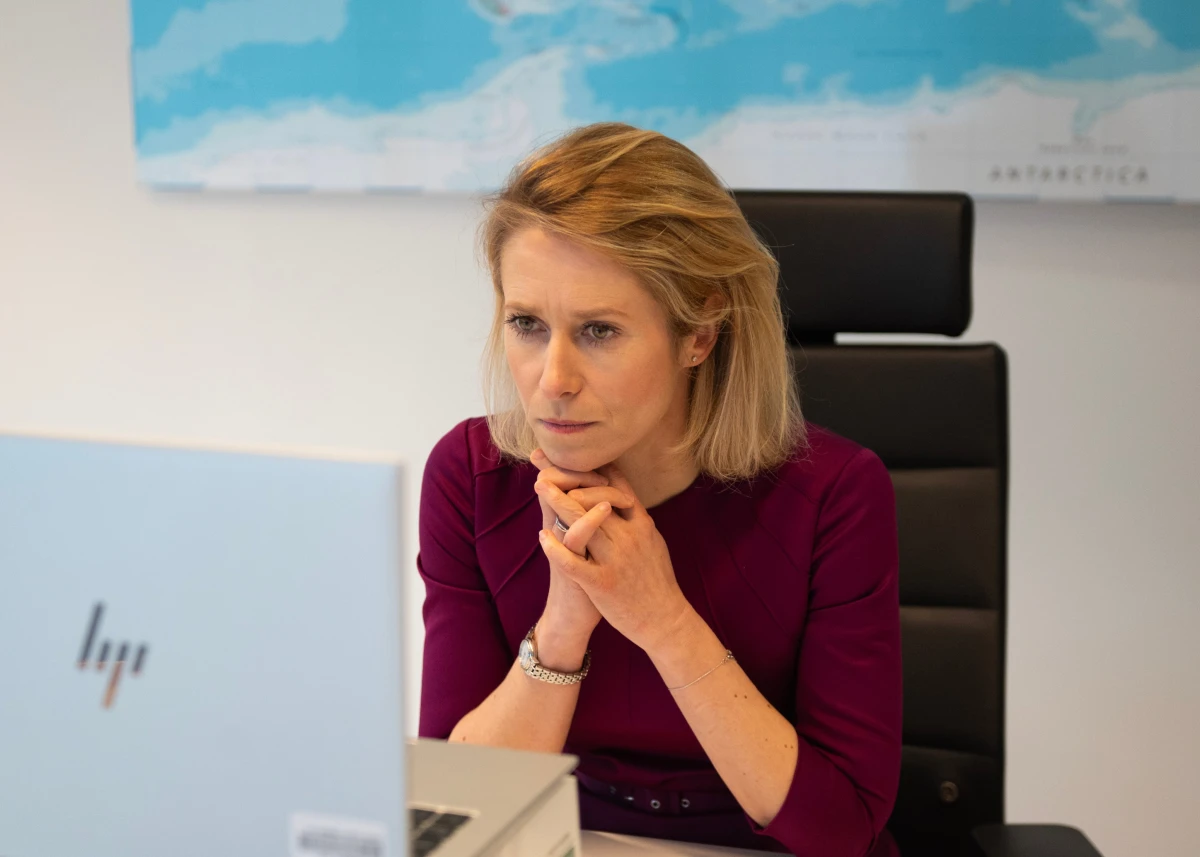
The High Representative of the European Union for Foreign Affairs and Security Policy, Kaja Kallas, spoke at a press conference on Thursday, April 30, during the meeting of the foreign ministers of the Nordic-Baltic 8 (NB 8) countries on the island of Saaremaa in Estonia. A significant part of her speech was dedicated to the ongoing war of Russia against Ukraine.
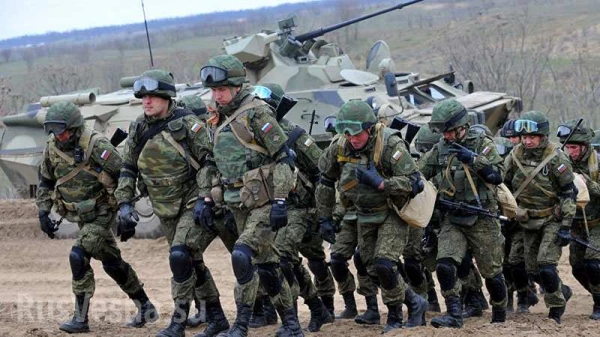
According to the head of EU diplomacy, thanks in part to the support of NB 8, Ukraine has been able to resist the Russian Federation and "revolutionize modern warfare." Russia is losing a "record number of soldiers" on the battlefield while failing to achieve its military objectives, Kallas noted. "For the first time in many years, the Victory Parade in Moscow will take place without military equipment. This says a lot about how the war is going for the Russian Federation," she emphasized.
"With a credit to Kyiv of 90 billion euros and the 20th package of sanctions, we have made it clear: we will provide Ukraine with everything necessary to hold its positions until Putin realizes that his war will lead to nothing," stated the head of EU diplomacy.
Countering Hybrid Attacks and Military Deterrence of the Russian Federation
Participants of the NB 8 meeting in Estonia also discussed the long-term threats posed by Russia. According to Kallas, Russia's hybrid attacks have reached "incredible proportions." "Too often, Moscow views hybrid warfare as something free of charge. But we need to do more to change this approach: tightening sanctions, holding accountable for war crimes, international isolation, and closing doors to former Russian combatants are the key elements of our response," she said.
The head of EU diplomacy also pointed out that Russia is preparing its army for a long-term confrontation with the West. "Deterrence works if it is convincing; demonstrating weakness only provokes aggression," noted the former Prime Minister of Estonia. Kallas called for strengthening European defense capabilities, which requires sharply increasing defense spending and ramping up military production in Europe. She also urged making NATO "more European."
What Kallas Said About the War in Iran and Its Consequences
The High Representative of the European Union for Foreign Affairs noted that a quick resolution to the conflict around the Strait of Hormuz is not in sight. "The consequences of this are negative for everyone. The global economy is experiencing a crisis. Russia is gaining new revenues from rising oil prices, while the supply of American weapons to Northern European and Baltic countries is delayed," Kaja Kallas said.
She reminded that the foreign ministers of EU countries have already agreed to expand sanctions against Iran due to its obstruction of peaceful navigation. Furthermore, according to Kallas, the naval operations of European countries "could play a more significant role in restoring energy and trade flows." On April 17, Paris and London announced the establishment of a mission in the Strait of Hormuz, and Berlin expressed its readiness to join.
"It is necessary to address the issues related to Tehran's nuclear and missile programs, as well as its support for terrorist groups in the region and beyond," the head of EU diplomacy also noted while speaking at the NB 8 meeting.
The Nordic-Baltic 8 includes Denmark, Iceland, Latvia, Lithuania, Norway, Finland, Sweden, and Estonia.