
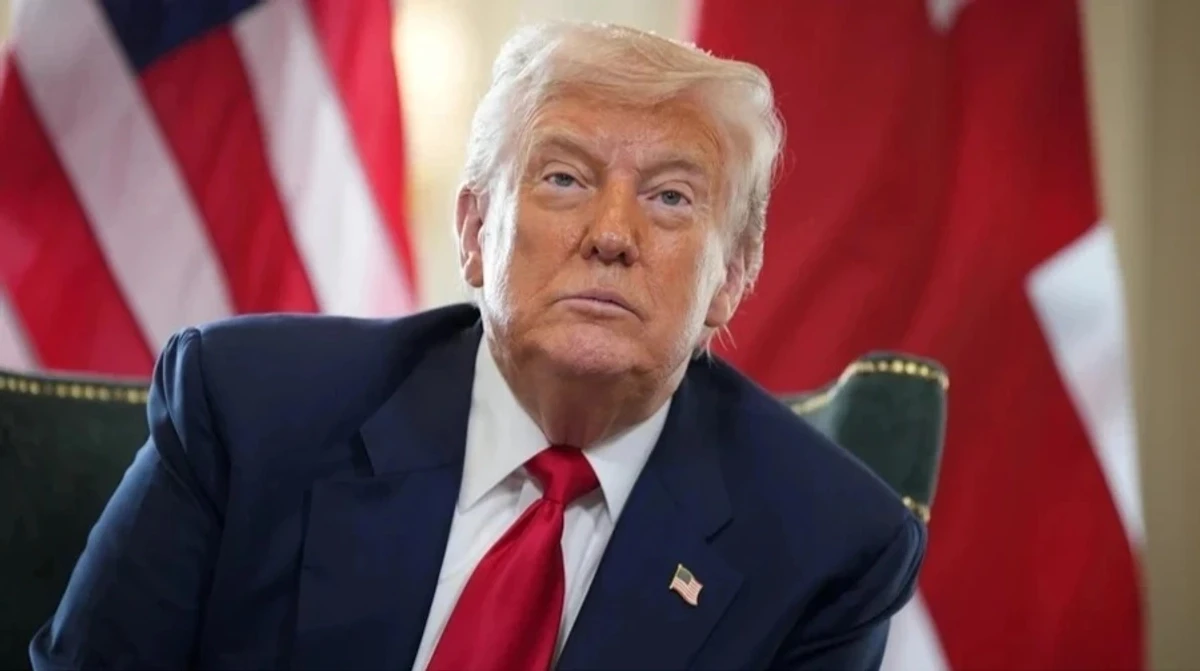
According to sources, U.S. President Donald Trump expressed dissatisfaction with Iran's recent initiatives to resolve the conflict and open the Strait of Hormuz.
U.S. President Donald Trump expressed his dissatisfaction with Iran's latest proposal regarding the opening of the Strait of Hormuz and the resolution of the conflict. He stated this to his advisors during discussions in the White House Situation Room on Monday, informed sources told the New York Times.
Iran's Proposal and Trump's Reaction
According to media reports, Iran presented a new peace initiative to the United States. It includes the opening of the Strait of Hormuz, extending the ceasefire, or completely ending the war, but with the condition of postponing nuclear negotiations.
Iran has previously rejected U.S. proposals to suspend its nuclear program and transfer enriched uranium. Although the reason for Trump's dissatisfaction with this specific proposal is unclear, he consistently insists that Iran should not possess nuclear weapons.
One U.S. official suggested that accepting such a proposal could be perceived as a denial of Trump's victory. The White House refrained from commenting on the president's position; however, U.S. officials confirmed ongoing discussions about the conflict and Tehran's nuclear activities.
White House spokesperson Olivia Wells stated, "The United States will not negotiate through the press — we have clearly defined our red lines, and the president will only strike a deal if it is beneficial to the American people and the world."
Internal Debates within the Administration
The publication also emphasized that the Iranian proposal to open the strait sparked lively debates within the American administration. It was discussed who holds more influence — the U.S. or Iran — and which side would better cope with the economic difficulties arising from the blockade of the waterway.
Trump discussed this proposal with his advisors on Monday, receiving it through Iranian Foreign Minister Abbas Araghchi, who conveyed it to Pakistan on Sunday. The president had already rejected another Iranian proposal last week and canceled peace talks in Islamabad.
Assessment of Iranian Negotiators
U.S. officials claim that the Iranian leadership has not granted its negotiators the authority to make concessions on the nuclear deal. This renders any attempts to reach a compromise or conclude a peace agreement meaningless.
In light of this, some representatives of the Trump administration believe that a two-month extension of the blockade would cause serious long-term damage to Tehran's energy sector. Oil wells, which cannot simply be stopped and restarted, may be damaged, leading to costly repairs. These officials are convinced that Iran will agree to a deal to avoid such long-term difficulties.
However, other administration representatives consider this assessment to be mistaken. They point to Iran's strengthened position and the consolidation of power by the Islamic Revolutionary Guard Corps.
Pressure Strategy and Disagreements
The U.S. government has concluded that Iranian negotiators lack sufficient authority to make concessions on the nuclear program, neither from the supreme leader nor from high-ranking officials of the Islamic Revolutionary Guard Corps. Without the resumption of military actions, there are no grounds to expect a change in Iran's position. Even if bombings resume, little indicates a change in the decision-making process in Tehran, and to increase pressure, Trump would have to authorize strikes on civilian infrastructure.
Some administration representatives are skeptical about Iran's willingness to make concessions. They believe that the optimal solution to the current situation would be to reach an agreement to open the Strait of Hormuz.
Earlier, Trump had stated that Iran could reach out to the United States to discuss ending the conflict.










Leave a comment