
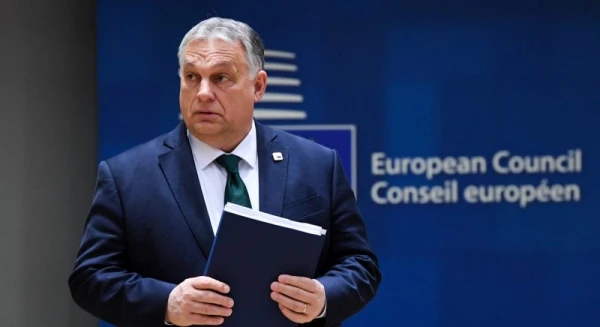
The European Union continues to struggle with formulating a unified position on Ukraine's membership, despite Viktor Orban's absence at the recent summit.
The recent EU summit in Cyprus took place in an astonishingly calm atmosphere, largely due to the absence of Viktor Orban. He, having lost the elections, will soon leave his position as Prime Minister of Hungary, after 16 years of being a constant source of tension in the European Union.
However, as Politico notes, European politicians in the corridors of the summit realized that Orban's departure does not mean the end of internal disagreements. They acknowledged that he had long served as a "scapegoat" for all problems, and now it is time to openly discuss the true disagreements within the EU.
The first clear "crack" that emerged in Orban's absence was the deep divisions regarding Ukraine's potential membership in the EU. Some European leaders actively advocated for the expedited accession of Kyiv to the bloc.
At the same time, others called for a more realistic approach, emphasizing the complexities of the process. Croatian Prime Minister Andrej Plenkovic, speaking in the presence of Ukrainian President Volodymyr Zelensky in Cyprus, highlighted the need to consider current realities.
The energy topic also provoked significant debate at the summit. European leaders faced a dilemma: a fuel shortage caused by "Trump's adventure in Iran" and the urgent need to maintain and tighten sanctions against Russia.
Politico also emphasizes that even without Viktor Orban, summit participants discussed EU budget policy and many other key issues for a long time. This indicates the persistence of deep disagreements.
Key Outcomes of the EU Summit
As reported by UNIAN, an important decision that had previously been blocked by Hungary was made at the informal EU summit in Cyprus. The credit for Ukraine amounting to 90 billion euros has finally been unblocked.
European Commission President Ursula von der Leyen stated that Ukraine could receive the first tranches of this loan as early as April. This year, the country is expected to receive half of this significant amount.
Notably, Ukraine will not have to repay these funds. The payment is to be borne by Russia as reparations.





Leave a comment