
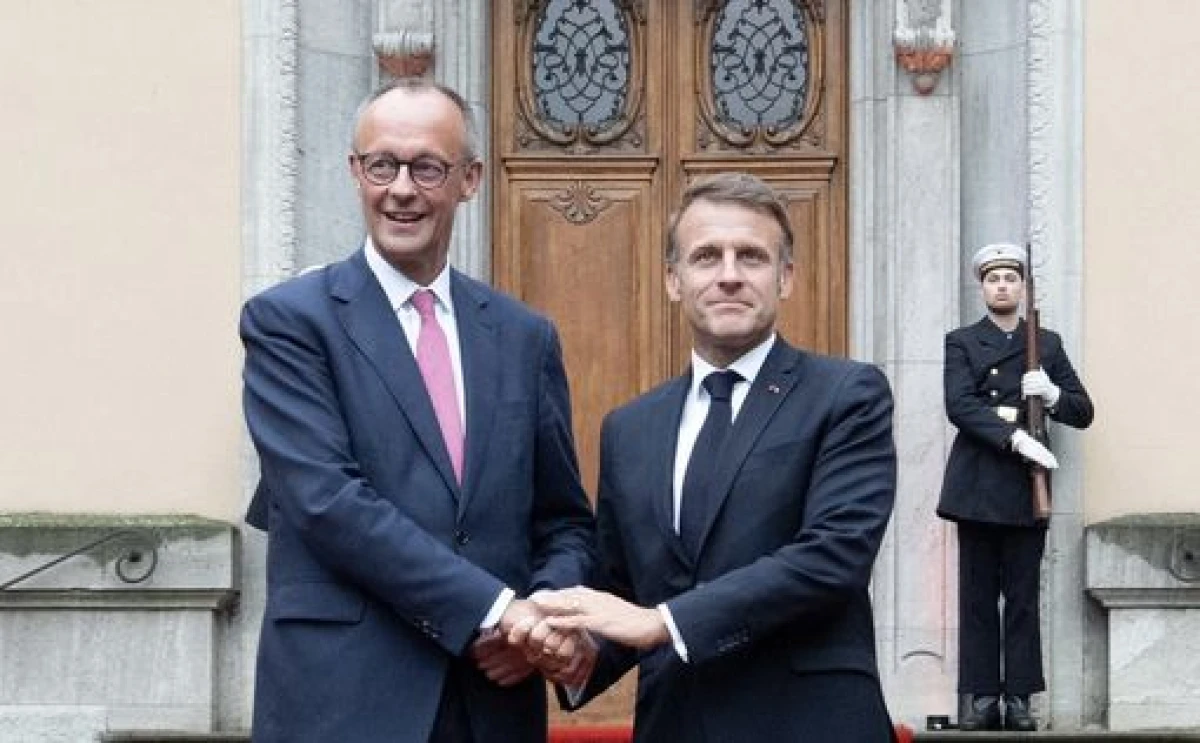
French President Emmanuel Macron, during his speech in Yerevan, adopted an extremely strict rhetoric, characterizing Iran's actions in the Persian Gulf as a direct path to a major war.
The French leader emphasized that any attacks on commercial vessels, tankers, or third countries would be a fatal mistake for Tehran. According to the French leadership, the Iranian regime has only one possible option left - to immediately ensure full freedom of navigation in the strategically important Strait of Hormuz.
Paris demands that the Iranian authorities cease any restrictions, remove illegally imposed transit fees, and guarantee unhindered passage for all types of vessels. Emmanuel Macron specifically highlighted the inadmissibility of strikes on facilities in the United Arab Emirates, stating that France will not allow the Middle East region to be turned into a zone of chaos. Paris's position on this issue has become one of the toughest in recent times.
The tone of official Berlin was equally resolute. German Chancellor Friedrich Merz openly stated his readiness for military intervention to protect international interests. According to him, if the blockade of the strait is not lifted, Germany will deploy its forces to ensure the security of global maritime routes. Merz particularly noted that Iran has no right to hold the entire world hostage by manipulating freedom of navigation and energy prices.
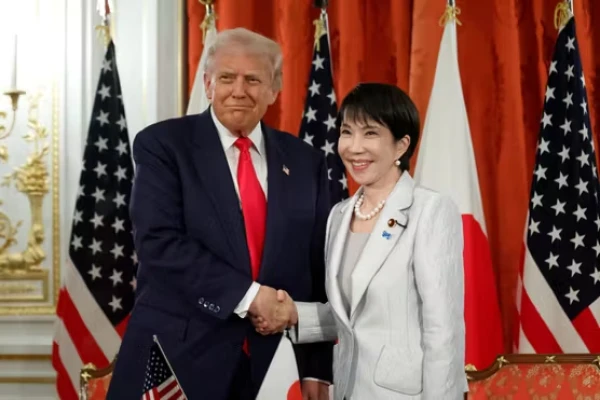
Despite the public disagreements between Friedrich Merz and U.S. President Donald Trump regarding the overall strategy for action in the Middle East, the positions of leading European countries and Washington have begun to synchronize on the issue of direct military pressure on Tehran. Thus, European leaders made it clear that further escalation by Iran would meet with a consolidated response from the international community.








Leave a comment