
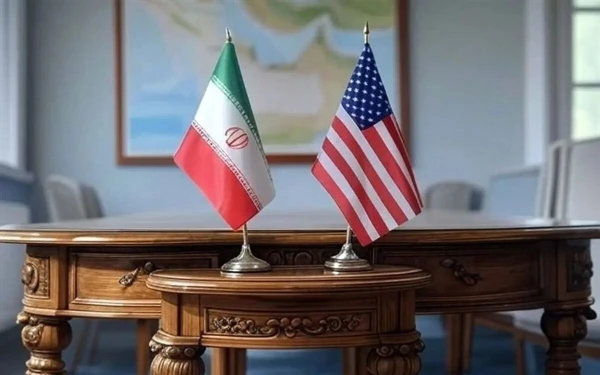
Tehran is convinced: Washington, using the naval blockade of the Strait of Hormuz, seeks to force Iran into capitulation. However, the Islamic Republic demonstrates a firm position, resolutely rejecting any negotiations under the pressure of threats.
In Tehran, there is confidence that Washington, by resorting to a naval blockade of the Strait of Hormuz, is actually seeking the complete capitulation of Iran. However, the Islamic Republic categorically rejects dialogue dictated by threats. This was uncompromisingly stated by the Speaker of the Iranian Parliament, Mohammad Baqer Qalibaf.
Firm Position of Tehran
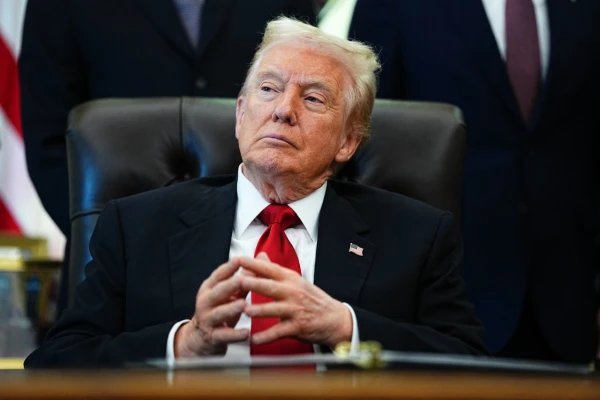
Mohammad Baqer Qalibaf emphasized that U.S. actions are seen as an attempt at coercion. He stated directly: "Trump, by imposing a blockade (of the strait - IF) and violating the ceasefire, is mistakenly trying to turn the negotiating table into a table of capitulation or justify the resumption of hostilities. We do not accept negotiations under the shadow of threats."
The Speaker of Parliament also noted that in the past two weeks, Iran has been actively preparing during the ceasefire. According to him, the country "has prepared to reveal new cards on the battlefield," demonstrating readiness for any developments.
Trump’s Announcement and Reality
Meanwhile, U.S. President Donald Trump had previously announced the start of negotiations. He claimed that dialogue between the U.S. and Iran in Islamabad was supposed to begin on Tuesday.
Trump also reported on the plans of the American delegation, which would be led by Vice President J.D. Vance. They were set to travel to the capital of Pakistan to participate in these meetings.
Al Jazeera reported on Monday about the preparations of the Pakistani authorities to receive delegations. They were expecting the arrival of negotiators from the U.S. and Iran in Islamabad.
This was happening against the backdrop of clear statements from the Iranian side. The Iranians categorically refused to participate in such negotiations, creating a clear contradiction.
Awaiting New Developments
Active hostilities between the U.S. and Iran were temporarily halted on April 7. On the same day, Israel also suspended its strikes, establishing a temporary lull.
However, this ceasefire is coming to an end. Its term expires on April 22, which adds tension to the current situation.











Leave a comment