Recently, media and social networks have increasingly reported on an alleged imminent military invasion of the Baltic countries by Russia. Specific dates are sometimes even mentioned, such as April 23.
Such sentiments are growing against the backdrop of warnings from the intelligence services of Latvia, Lithuania, and Estonia, as well as recent incidents involving drones.
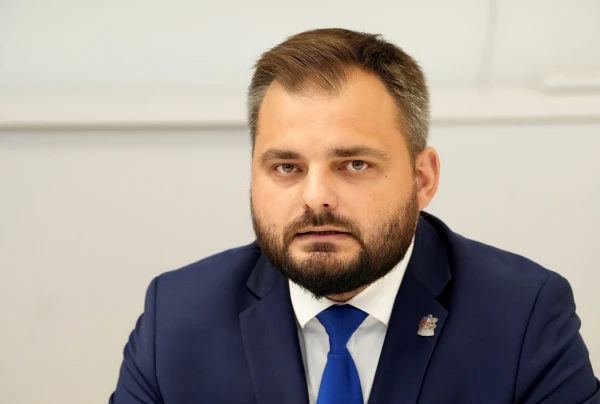
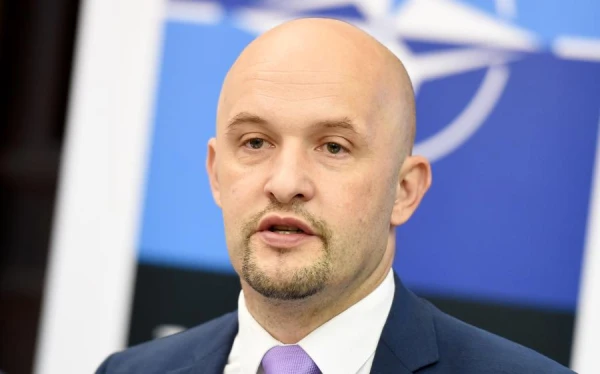
Director of the NATO Strategic Communications Centre of Excellence Jānis Sārts explains that such statements are informational narratives not supported by facts.
According to him, the idea of an imminent attack began to spread a few weeks ago, including through attempts to "revive" the topic of an allegedly independent movement in Narva. This narrative was then picked up by various accounts, including those linked to Ukraine, spreading the thesis "Baltics are next."
Sārts believes that there are different goals behind this:
- from Ukraine's side — to strengthen support in Europe;
- from Russia's side — to distract attention from problems on the front, where Ukrainian innovations, especially in the use of drones, have increased losses for the Russian army.
He emphasizes that such claims lack a factual basis and are built on general, weak arguments. The current situation on the front, where Russia is suffering significant losses, does not allow it to open another front.
At the same time, Sārts admits that hybrid threats may intensify, but this does not mean a direct military invasion.
He also noted that the global situation is becoming more unstable and changing rapidly, so Russia may be considering various scenarios roughly within a one-year horizon.
In conclusion, the expert emphasized: this time should not be used for panic, but for the accelerated strengthening of one's own defense capabilities.