
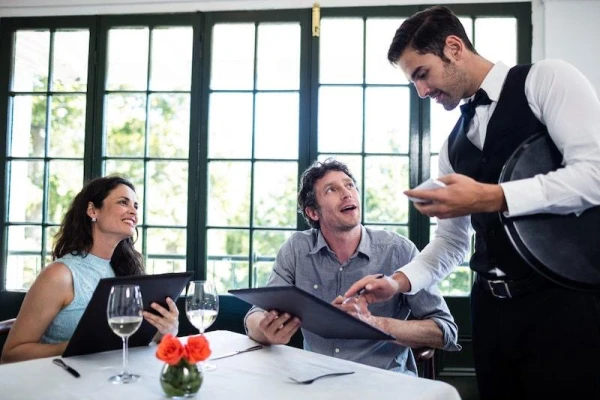
The practice of customers quietly getting up from the table and leaving without paying has existed in Israeli restaurants and cafés even before the war and caused damage to business owners. Now such incidents occur under the cover of sirens, which serve as a distraction for those who want to eat and drink for free.
"I particularly remember a large table for four at the beginning of the war," said Omri Barel, owner of the A La Rampa bar in Tel Aviv. "When the siren sounds, you need to cross the road to get to the shelter, and when you come back from there, most people sit down again and continue their meal. Period. But that table didn’t come back, and the damage amounted to hundreds of shekels."
The businessman admitted that he could understand such behavior at the beginning of the war – people get scared, want to get in their cars and leave, "but that’s not right either. There were those who didn’t return but called to settle the bill."
According to him, this doesn’t happen too often, so he doesn’t implement a prepayment mechanism. Moreover, prepayment "doesn’t fit our relaxed atmosphere."
"If someone takes advantage of the situation, karma will deal with them. Those who choose theft will eventually pay for it," the bar owner is convinced.
At the same time, some restaurants have already switched to a take-away format with tables: those who decide to eat in the establishment can only sit at a table after paying.
"I can’t afford to lose revenue even in the tens of shekels right now," said a café owner in a comment to Walla. "We are barely staying afloat as it is."
Chairman of the Israeli Restaurants and Bars Association Yakir Lisitsky explained: "The increasing cases of customers leaving restaurants during rocket alerts without paying the bill is a phenomenon that directly hits the income of business owners and industry workers. It should be understood that opening shifts to receive guests during a difficult security period involves significant economic risk, calling in workers, preparing raw materials, and operating the business under restrictions and uncertainty. During a siren, work stops immediately, dishes cool down or are thrown away – this leads to immediate losses."
In this regard, the industry recommends considering the possibility of charging a deposit or obtaining credit card information already at the stage of reserving a table as a means to reduce losses.
"The restaurant business is in a state of economic emergency: data shows that since the beginning of the war, about 47% of restaurants are not operating, and those that continue to operate have experienced a sharp drop in income of 50% or more," added Tomer Mor, CEO of the organization "Restaurateurs Strong Together."



Leave a comment