Otherwise, Israel may carry out the operation to eliminate him.
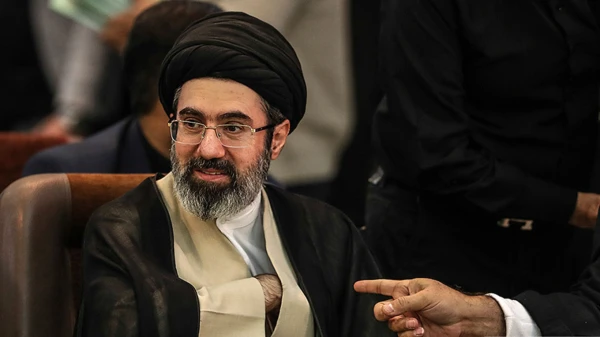
U.S. President Donald Trump has told his aides that he would support the assassination of Iran's new Supreme Leader Mojtaba Khamenei (56) if he refuses to meet Washington's demands, The Wall Street Journal (WSJ) reported, citing current and former U.S. officials. In particular, they said the White House expects Khamenei to agree to roll back Iran's nuclear program. Otherwise, Israel may carry out the operation to eliminate him, which recently killed Mojtaba's 86-year-old father, Ali Khamenei, in rocket strikes on February 28, the sources noted. Meanwhile, in Washington, Mojtaba Khamenei is seen as a hardliner towards the U.S. and sources told WSJ that they do not expect him to end the war on American terms.
Earlier, Iran's Assembly of Experts elected Mojtaba Khamenei as the new Supreme Leader of the country, Iranian news agencies Fars, Mehr, and Tasnim reported. He became the third person to hold this position since the Islamic Revolution in 1979. According to The New York Times, Mojtaba is closely linked to the Islamic Revolutionary Guard Corps (IRGC), and it was the military that insisted on his appointment as the new leader. Trump has stated that he would not accept a new head of Iran who continues the policies of the slain ayatollah. "Khamenei's son is unacceptable to me. We need someone who will bring harmony and peace to Iran," the White House chief emphasized, noting that he personally must be involved in the appointment of the country's leader. After the announcement of Mojtaba's appointment, Trump warned that he "won't last long" if he does not receive Washington's approval.
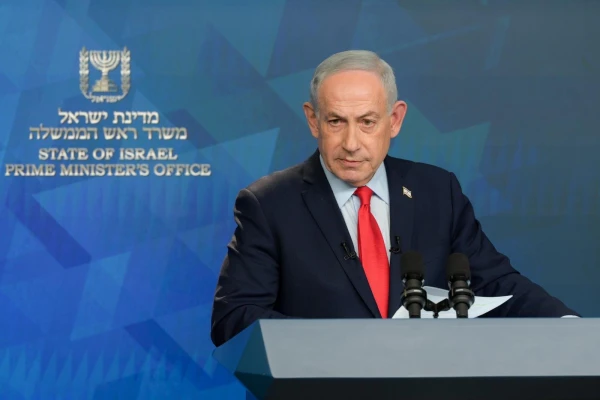
Earlier, Israeli Defense Minister Israel Katz also stated that Tel Aviv would consider any new leader of Iran who continues the course of his predecessors a legitimate "target for elimination." Additionally, according to Axios, the U.S. had considered the assassination of Mojtaba during the preparation of the military operation "Epic Fury," which began on February 28. On March 7, the Saudi channel Al Hadath reported on his injury as a result of one of the attacks. Similar information was provided by Israeli journalist Amit Sigal, citing his own sources.