The largest oil company in the U.S. states that it needs reliable guarantees for the protection of potential investments.
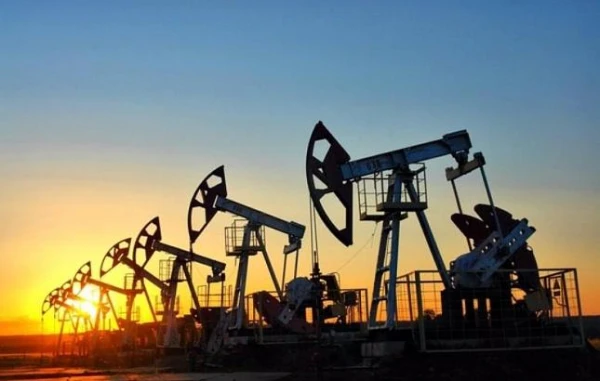
Despite Donald Trump's statements about the willingness of American companies to invest large sums in Venezuela's oil industry, the country remains extremely unattractive to investors. This is reported by the Financial Times, citing American oil executives.
As the publication notes, Darren W. Woods, the CEO of the largest American oil company ExxonMobil, expressed skepticism about investing in Venezuela during a video conference of energy company executives at the White House on Friday.
"If we look at the legal and commercial constructs, the frameworks that are in place today in Venezuela, it is not investment-friendly today," Woods told Trump at the meeting.
According to him, significant changes need to be made to the country's legal system to ensure "robust investment protection." Woods reminded that the Venezuelan government has already confiscated his company's assets twice since it first invested in the country in the 1940s.
Executives from other oil companies participating in the video conference at the White House were more receptive to Trump's proposals.
For instance, representatives from Chevron stated that they could increase oil production in Venezuela by 50% within 18-24 months by expanding their existing facilities. Shell announced its readiness to invest "several billion dollars" provided that the U.S. lifts sanctions on the Venezuelan oil industry.
Spanish company Repsol stated that it could triple its production within two to three years. The company Eni also expressed readiness to expand production.
However, in private conversations, American investors are indeed reluctant to invest money in unstable Venezuela.
"No one wants to go there when an errant cursed tweet can change the entire foreign policy of the country," said an unnamed private investor to the Financial Times, hinting at Trump's bombastic statements on social media that have caused constant turmoil in the stock markets.
The Problem of Oil from Venezuela
Maxim Gardus, a communications specialist at Razom We Stand, wrote in an op-ed for UNIAN that the increase in oil production in Venezuela potentially offers a chance to weaken Russia's position in the global market by increasing commodity supply. However, behind Trump's bold statements, there is no clear operational plan: it is unclear who exactly will invest, under what conditions, how arbitration disputes will be resolved, and who will bear the political and technological risks.
Although Venezuela has the largest oil reserves in the world (over 300 billion barrels), its industry has been devastated by politicization, nationalization, layoffs of specialists, corruption, and sanctions. The nature of the oil itself in Venezuela is problematic – it is an extra-heavy grade that requires complex processing, stable infrastructure, and high costs. Venezuela is unlikely to return to "pre-socialist" production levels for at least another 10 years. Therefore, a rapid "oil miracle" and the displacement of Russia from the market currently seem unlikely.