After a week of protests, the supreme leader of Iran's theocratic regime, Ayatollah Ali Khamenei, stated on Saturday that "the disturbers of peace need to be shown their place," effectively giving security forces permission to act against demonstrators, LETA reports citing AP.
At least ten people have died in the protests that began a week ago due to Iran's weak economy.
State television showed an address by 86-year-old Khamenei in Tehran, where he attempted to separate the protesters' concerns about the falling value of the rial from the actions of "instigators of unrest."
"We must talk to the protesters; officials are obliged to engage in dialogue with them," the ayatollah said, but emphasized: "There is no point in talking to rebels. The disturbers of peace need to be shown their place."
He also reiterated the Iranian authorities' claim that the protests are allegedly fueled by foreign forces, such as Israel and the United States, although Tehran has provided no evidence for these claims. The ayatollah accused the "enemy" of the fall in the value of the Iranian rial as well.
"A group of people, instigated or hired by the enemy, hides behind merchants and shop owners and chants slogans against Islam, Iran, and the Islamic Republic," he stated.
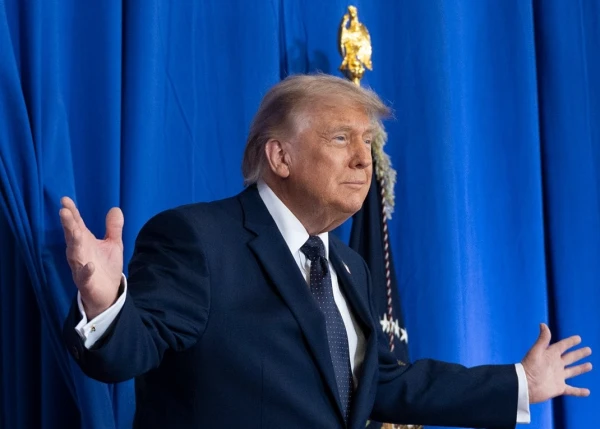
The protests continue after U.S. President Donald Trump warned Iran on Friday that if Tehran "harshly suppresses peaceful protesters," the U.S. "will come to their aid."
While it remains unclear how exactly Trump plans to intervene, his statement provoked an immediate and angry reaction from the authorities of the theocratic regime, who threatened American troops in the Middle East. Trump's warning gained additional weight after he stated on Saturday that American forces captured Venezuelan President Nicolás Maduro—a long-time ally of Tehran.
These protests have become the largest in Iran since 2022, when demonstrations erupted across the country following the death of 22-year-old Mahsa Amini in the morality police for allegedly violating strict dress codes. However, the current actions have not yet reached the scale and intensity of those protests.
According to the U.S.-based Human Rights Activists News Agency, demonstrations have taken place in more than 100 locations across 22 of Iran's 31 provinces over the past week.
Iran's civilian government, led by reformist Masoud Pezeshkian, is trying to show a willingness to engage in dialogue with the protesters. However, Pezeshkian acknowledged that he cannot significantly influence the situation as the value of the Iranian rial has sharply declined, which was the cause of the initial protests.
Nevertheless, despite the economic backdrop, participants in the demonstrations chant slogans against the theocratic regime. Tehran has failed to stabilize the economy for months following the June war with Israel, during which the U.S. also struck Iran's nuclear facilities.
Recently, Iran announced that it is halting uranium enrichment at all facilities, signaling to the West its readiness for possible negotiations over its nuclear program in exchange for easing sanctions. However, such negotiations have yet to take place, as Donald Trump and Israeli Prime Minister Benjamin Netanyahu warned Tehran not to resume its nuclear program.