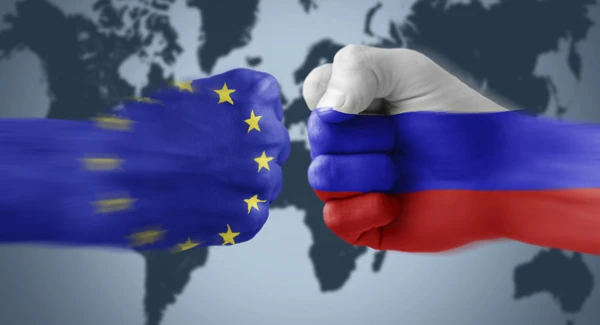
The failure to utilize frozen Russian assets has become the latest in a long series of concessions.
Based on the borders of the Russian Empire at the height of its power, potential targets for today's Russian Federation could include Finland, Poland, Estonia, Latvia, Lithuania, Belarus, Moldova, Armenia, Georgia, Azerbaijan, and Central Asian countries.
As the Atlantic Council publication writes, this is not a complete list of countries. Many former Soviet states that made up the Eastern Bloc in the second half of the 20th century could be included.
What Putin Wants
The publication stated that Russian dictator Vladimir Putin has once again indicated that his expansionist appetites are far from satisfied.
Putin declared that the maximalist goals of his invasion of Ukraine would be achieved "unconditionally," and presented the war as a crusade to end Russia's post-Soviet retreat.
"The most straightforward interpretation of these comments from Putin suggests that he meant part of Donbas that remains under Ukrainian control," the publication wrote.
Journalists noted that this small but well-fortified and strategically important land is currently at the center of negotiations and has been referred to by the Kremlin as the price for a ceasefire.
The West Begins to Wake Up
In light of Putin's ongoing war against Ukraine, many in the West are starting to take Putin's imperial ambitions more seriously. In particular, assessments from U.S. intelligence confirm that the dictator has not abandoned his goals of seizing all of Ukraine and reclaiming parts of Europe that once belonged to the USSR.
"Europeans are convinced of this. The Poles are absolutely convinced. The Baltic states see themselves as the first," the intelligence report states.
However, skeptics doubt Putin's ability to wage war against the West and point to the failures of his army in Ukraine as evidence of military limitations.
"This is comforting, but dangerously misleading," the publication noted.
In reality, Russia's lack of progress in Ukraine is not a sign of any fundamental weakness—it is a testament to the incredible strength and staggering sacrifices of the Ukrainian people.
Advertisement
"However, Ukraine's outstanding resistance, despite the overwhelming superiority of the opponent, cannot continue indefinitely and should not be taken for granted. If Ukraine falls, Europe will face a challenge it is not prepared for," the publication emphasized.
What Could Prompt Putin to Act
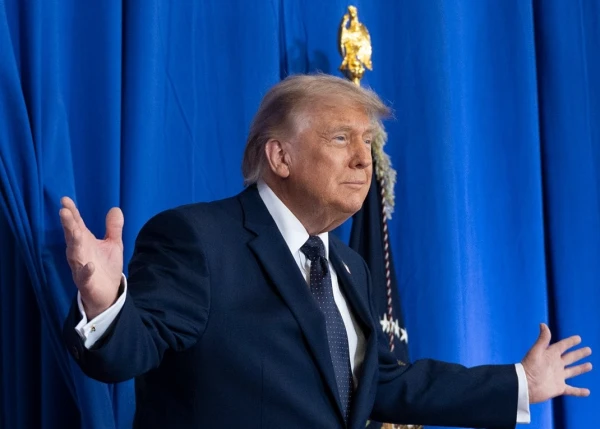
Putin may be pushed to act by the current geopolitical climate, which provides a unique opportunity to advance Russia's imperial agenda. Donald Trump's return to the White House has caused a radical shift in U.S. policy regarding the war in Ukraine and broader European defense.
"Will a Russian attack on the Baltic states provoke a U.S. response under Article 5 of NATO? Given Trump's position on NATO and his administration's ambivalent attitude towards Europe, some believe this can no longer be taken for granted," the publication wrote.
Europe Will Be 'Toothless' Against Russia
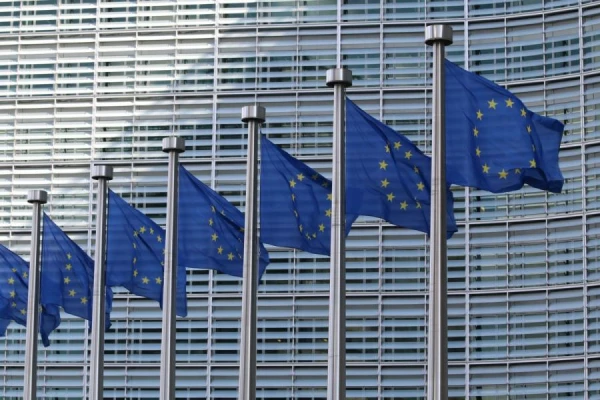
Europe is currently unable to defend itself against Russia on its own. After decades of decline in the defense sector, effective rearmament will take years. European leaders have also failed to demonstrate the collective political will necessary to deter the Kremlin.
The publication noted that the failure to reach an agreement on the use of frozen Russian assets for the benefit of Ukraine has become the latest in a long series of concessions that reflect Europe's chronic disunity and paralyzing fear of Russia.
"There are many compelling reasons why Putin may not rush to expand the war, but concerns about a potentially decisive European response are not among them," the publication noted.
Journalists pointed out that in his quest to secure a place in history among the greatest rulers of Russia, Putin has long crossed the point of no return and therefore will not retreat from this goal for the sake of easing sanctions or minor territorial concessions.
"Any efforts to establish a lasting peace must be firmly based on this sobering reality. Peace is possible, but only if pressure on Putin increases to the point where he begins to fear defeat in Ukraine and a potential collapse on the home front," the publication concluded.
<iframe width="560" height="315" src="https://www.youtube.com/embed/e8wQVCVzmQQ?si=iVekAfTZ4pZhZmJN" title="YouTube video player" frameborder="0" allow="accelerometer; autoplay; clipboard-write; encrypted-media; gyroscope; picture-in-picture; web-share" referrerpolicy="strict-origin-when-cross-origin" allowfullscreen></iframe>