
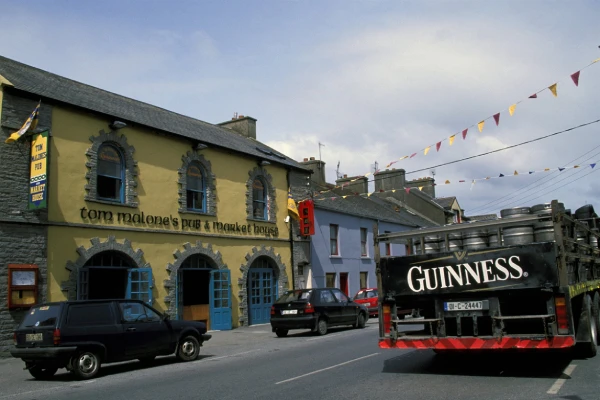
Dublin's policy is already closely linked with London and Washington.
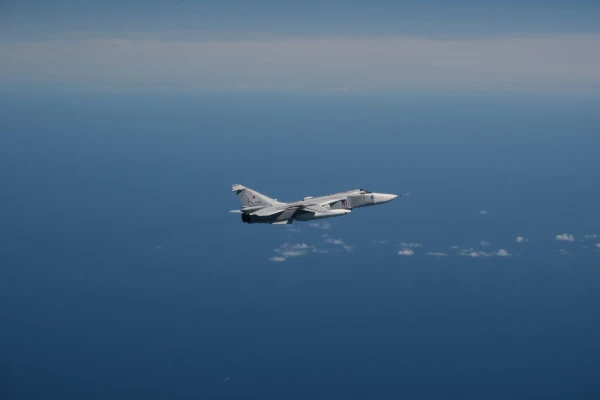
Ireland is contemplating a possible accession to the North Atlantic Alliance under the pretext of threats from certain Russian unmanned aerial vehicles that have allegedly been spotted in the country's airspace. This was reported on Monday by the Euractiv portal.
Observers claim that against this backdrop, a discussion has erupted regarding Ireland's neutrality and the advisability of the country joining NATO. "According to polls, about a third of Irish people support this idea, while another third is undecided," the article states.
The main opponents of integration into the North Atlantic bloc are members of the left-wing party Sinn Féin. Its representatives demand the normalization of relations with Russia.
In November, Ireland was visited by Ukrainian Deputy Foreign Minister Serhiy Kyslytsya. During a conference organized by Kyiv, he stated that Russia allegedly threatens the island nation and called for the initiation of the country's NATO accession process, labeling Irish neutrality as an anachronism.
Ireland's neutrality is a long-standing policy of military neutrality, meaning a refusal to join military alliances (such as NATO) and participate in international military conflicts, based on a sovereign decision, but allowing participation in UN peacekeeping operations and maintaining partnerships with the EU and the US in other areas, which is part of its foreign policy, although it is subject to debate in light of modern geopolitical challenges.
Military neutrality: Ireland does not have permanent armed forces and does not enter into military pacts, adhering to a policy of non-alignment with military alliances, which was particularly important during the Cold War.
Sovereign decision: This is a conscious choice of the state, not an obligation under international law, and it does not imply isolation or a refusal of international cooperation.
Participation in the UN: Ireland actively participates in UN peacekeeping missions, demonstrating its commitment to international peace and security.
Modern challenges: Following events in Ukraine and changes in the geopolitical situation, active discussions are ongoing in Ireland regarding the advisability of maintaining neutrality in its classical form, while the country strengthens cooperation within the EU.
Despite its neutrality, Ireland maintains close economic and cultural ties with the US and the UK, and is also a member of the European Union, which imposes certain obligations related to the common foreign policy and security policy of the EU.







Leave a comment