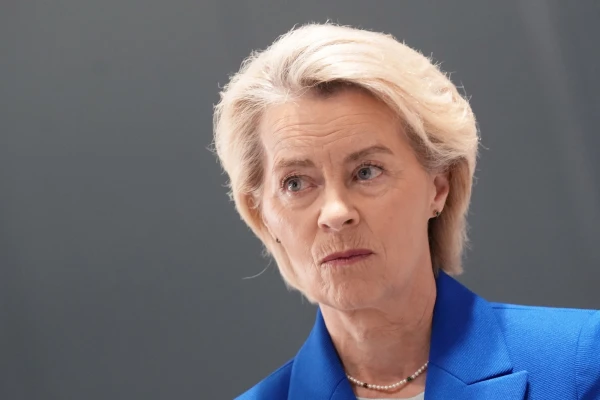
The head of the European Commission spoke about the high stakes decisions facing EU leaders, characterizing the modern world as a 'world of predators' and warning of the formation of a new international order following a sharp turn in Washington's policy towards the continent.
European Commission President Ursula von der Leyen raised the stakes ahead of a crucial meeting of leaders from 27 European Union countries in Brussels on Thursday, calling the negotiations key to Europe's security and independence.
"The world of yesterday is gone. We do not have time to indulge in nostalgia. What matters is how we confront today," von der Leyen said on Wednesday morning in Strasbourg. "We are aware of the urgency. It is acute. We all feel it. We all see it."
The EU is approaching a moment of decision on two critical issues that could define its global image and international standing.
First, it must decide how to keep Ukraine afloat economically and ensure its ability to withstand Russian aggression.
Second, it needs to determine whether to conclude a free trade deal with the South American bloc Mercosur and restore trust in rules-based trade agreements, which has fallen to a new low since the arrival of Trump’s second administration.
Regarding Ukraine, von der Leyen advocates for an unprecedented plan to use frozen Russian state assets to provide reparations loans. However, this approach has sparked disagreements among EU leaders, and Belgium, where most of the assets are held, remains unsure whether its demands for an even distribution of risks among EU countries will be met.
Leaders also face another important decision: whether to conclude a free trade deal with the South American bloc Mercosur 25 years after negotiations began.
The plan must gain support from a so-called qualified majority of member states, meaning 15 countries representing at least 65% of the bloc's population.
Several major countries, including France, oppose the deal as their domestic agricultural sectors campaign against it. Italy plays a key role, as France needs its support to create a so-called blocking majority and derail the plan. But Italian Prime Minister Giorgia Meloni is keeping her cards close to her chest, doubting that the deal will hold.
France is also seeking support to postpone the vote until next year, which supporters believe could effectively bury the deal and seriously undermine the EU's position in South America and globally.
The trust in the 27-member bloc, which is shaping its foreign policy and trade agenda while facing a more aggressive Trump administration pursuing a trade and foreign policy of "America First," is at stake.
In her speech, von der Leyen directly addressed the recent criticism directed at Europe from the U.S., stating: "We, Europeans, cannot allow the worldview of others to define us."
"None of us should be shocked by what others say about Europe. But let me say, this will not be the first time that assumptions about Europe turn out to be outdated. And this is not the first realization that the post-war world order is changing beyond recognition," the European Commission President added.
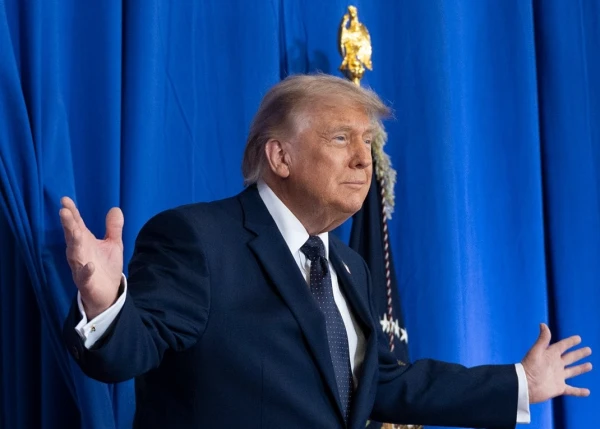
This came after a biting warning in the U.S. national security strategy about the impending "civilizational decline" of Europe. Shortly thereafter, President Trump referred to the continent as a collective of "decomposing nations" led by "weak" politicians.
And last Tuesday, Trump’s trade representative Jameson Greer launched another attack on the EU's digital rules, accusing the bloc and its member states of imposing "discriminatory and persecutory lawsuits, taxes, fines, and directives against American service providers."
An EU representative responded:
"As we have repeatedly made clear, our rules apply equally and fairly to all companies operating in the EU. These rules ensure a safe, fair, and level playing field in the EU in accordance with the expectations of our citizens."