
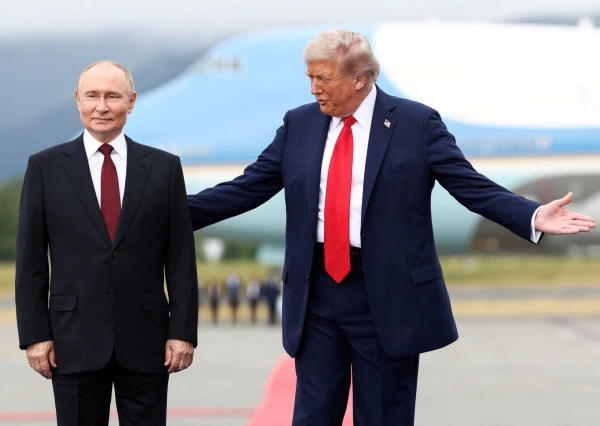
In recent weeks, the administration of U.S. President Donald Trump has provided European partners with a series of documents outlining a vision for the recovery of Ukraine and the return of Russia to the global economy, reports The Wall Street Journal, citing sources, as conveyed by LETA, referencing UNIAN.
Each of these documents occupied one page.
The proposals sparked sharp debate during negotiations between the U.S. and its traditional allies in Europe.
Their implementation could radically change the economic map of the continent, the publication notes.
The documents outline plans for American financial and other companies to access frozen Russian assets totaling about $200 billion to implement projects in Ukraine.
Among them is the idea of constructing a massive data center that would receive electricity from the Zaporizhzhia Nuclear Power Plant.
Another document presents the U.S. perspective on bringing the Russian economy "in from the cold."
It envisions investments by American companies in strategic sectors—from rare earth metal extraction to oil production in the Arctic—as well as assistance in restoring the supply of Russian energy resources to Western Europe and the rest of the world.
Some European officials who reviewed these documents expressed doubts about the seriousness of some U.S. proposals.
One compared these ideas to Trump's proposal to build a Riviera-style resort in the Gaza Strip.
Another called the situation an economic version of the Yalta Conference of 1945, where the victorious powers of World War II divided Europe.
At the same time, European representatives want to use the same frozen Russian assets held in financial institutions in Europe to provide loans to the Ukrainian government, which is facing a funding shortfall, for purchasing weapons and ensuring the functioning of the state.
They also fear that the U.S. approach to resolving the war in Ukraine will give Russia the necessary respite to revive its economy and strengthen its military capabilities.
According to a new assessment report from Western intelligence agencies reviewed by the newspaper, the Russian economy has been formally in a state of recession for six months, and attempts to simultaneously manage a military economy while controlling prices create systemic risks for the banking sector.







Leave a comment