

For various reasons.
“Don’t look at those yellow flowers — you’ll go blind,” many probably remember this childhood scare, which, as often happens, did not arise from nowhere.
The buttercup, which blooms in meadows at the beginning of summer and is popularly known as “chicken blindness” or kuroslep, is indeed poisonous: the sap of this plant can cause tearing, stinging, and pain in the eyes, as well as skin burns.
In a completely different way manifests one of the visual impairments, which has, of course, nothing to do with the buttercup, but is also called chicken blindness, or, in medical terminology, hemeralopia or nyctalopia. People suffering from this ailment have difficulty seeing at dusk and in low light, and sometimes lose their vision completely in the dark. The unusual name of the disease likely comes from chickens, which, being diurnal birds, cannot see in the dark (although unlike humans, they do not need to).
Hemeralopia can manifest in various forms, including congenital ones. Chicken blindness can be a symptom of various eye and other diseases, anemia, and exhaustion, but most often this visual disorder is associated with a deficiency or lack of vitamin A in the body.
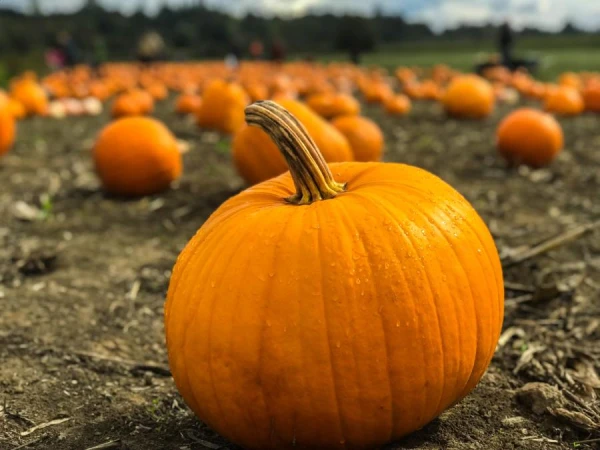
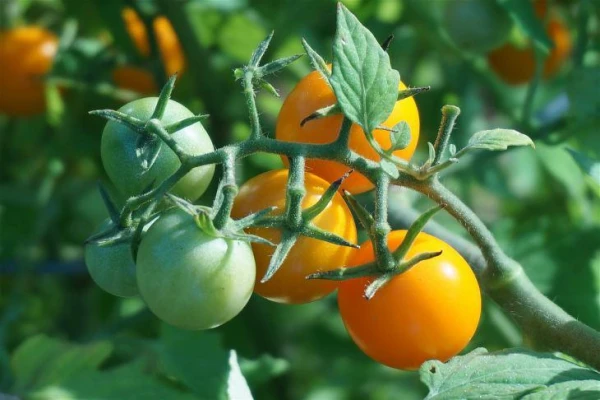
The fact is that vitamin A, also known as retinol, is part of the visual purple — a substance found in the receptors of the retina that is responsible for twilight and night vision. Chicken blindness usually worsens in early spring when we lack vitamins. During this period, foods such as cod liver, eggs, milk, carrots, pumpkin, lettuce, and tomatoes come to the rescue.











Leave a comment