Negotiations to create a free trade area with the South American market lasted 25 years. The deal, agreed upon in December 2024, is set to be signed in 10 days; however, many in the EU still oppose it.
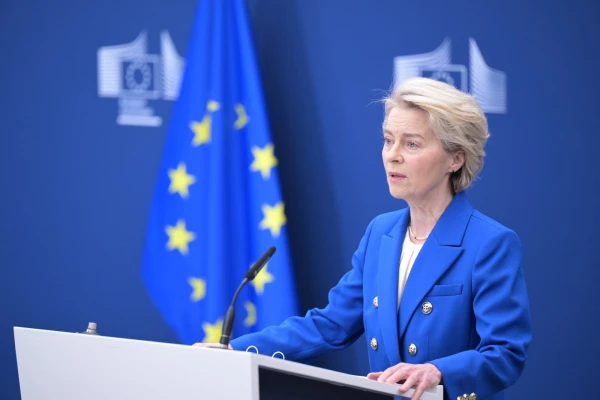
Europe is a step away from a free trade agreement with the MERCOSUR countries (Argentina, Brazil, Paraguay, and Uruguay). The final version of the treaty, the preparation of which has taken a total of a quarter of a century, is expected to be signed on December 20, 2025, in Brazil in the presence of European Commission President Ursula von der Leyen and European Council President António Costa.
If approved, Europe and the MERCOSUR countries will gain access to a single economic space covering 722 million people with a combined GDP of $22 trillion.
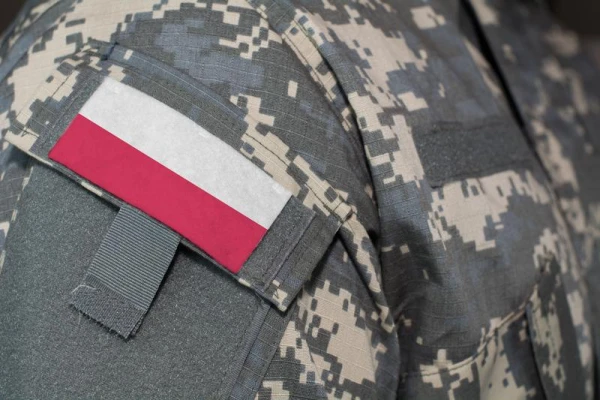
The European Commission expresses optimism; however, diplomats note that there is still no unity among EU countries regarding the treaty with the South American Common Market. The camp of critics is led by Poland and France, who fear an influx of cheap products from MERCOSUR countries and environmental dumping, which local producers will not be able to compete with effectively. Paris has sought legally binding guarantees for European farmers, and Brussels has accommodated this request. As a result, the text of the agreement now includes the possibility of using "safeguard measures" in "exceptional circumstances," such as a sharp increase in imports that could seriously harm European producers. Nevertheless, French agricultural unions have already stated that signing the document would be a death sentence for their industry.
However, this does not concern Brazil too much, which is currently holding the rotating presidency of the MERCOSUR bloc, as President Lula da Silva is aware of Brussels' strong desire to conclude this long-standing issue. EU leadership also hopes that the treaty will boost exports of European goods to the South American market, particularly cars, machinery, chemicals, and alcohol.
The agreement between the EU and MERCOSUR was agreed upon in December 2024, with ratification of the document ahead in the 27 parliaments of the EU and MERCOSUR countries. To block the deal from the EU side, dissenters need to find at least four states representing no less than 35% of the EU population that will abstain from voting.