
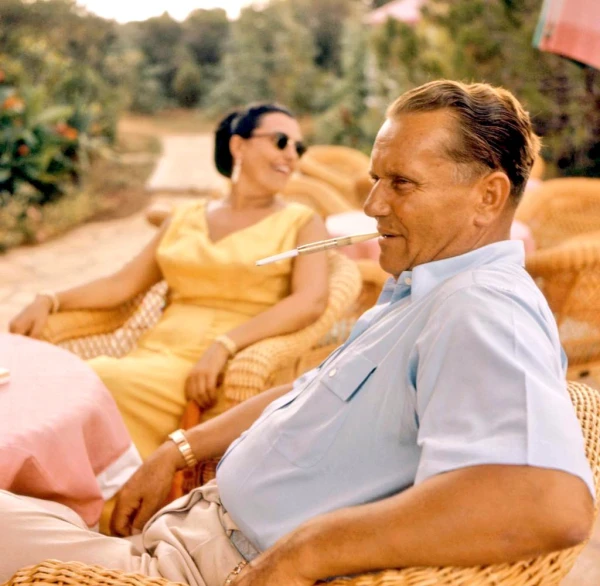
It seemed that life could be planned 40 years ahead and that this country would be eternal.
The so-called "Yugo-nostalgia" will pass only when the last person born in the Socialist Federal Republic of Yugoslavia dies. And even then, when all the "Yugoslavs" are gone, the legend will still remain.
Yugoslavia in the late 1960s and 1970s was a kind of paradise on earth - a paradise for workers, where everyone was entitled to free education, healthcare, work, salary, and eventually an apartment.
At that time, the housing stock was at a fairly high level even compared to some countries in Europe. Cars produced were mediocre, but one could always buy a "Mercedes" from Germany (white ones were in fashion and were a symbol of success for guest workers who went to Germany for work, with the purchase of a white "Mercedes" being a particular goal).
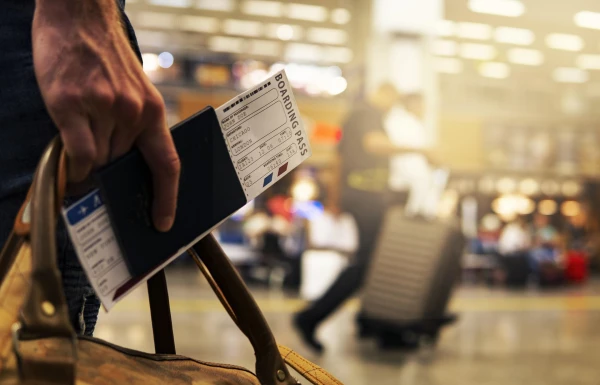
People could leave for Western Europe, and not just Europe, for work or simply for tourist trips, although the latter was not accessible to everyone. The passport of the SFRY was highly valued on the black market because it opened doors to a vast number of countries around the world.
The light industry in Yugoslavia was quite developed, and consumer goods mostly met the needs of the population. However, while the USSR valued Yugoslavian shoes, people in Yugoslavia would travel to Italian Trieste for shoes.
Before the country's collapse in the late 1980s, the dream of any high school student was to acquire a so-called "Interrail" ticket and travel by train all over Europe during the holidays before starting university.
In addition to goods, Western culture was also accessible in Yugoslavia. Belgrade hosted the international film festival FEST, showcasing the latest masterpieces of cinema, and the music festival BEMUS, which the capital was proud of.
Children in Yugoslavia were raised in the spirit of "brotherhood and unity" and the heroism of the Yugoslav peoples in the fight against fascism. They received a good education, and most importantly, one that was within their reach. Yugoslav children were taught not facts, but processes, which is why former Yugoslav students believe they were smart back then, while today’s children know nothing.
Families went to the sea every year, either to Montenegro, Croatia, or Slovenia. And all without a visa and without a passport.
It seemed that life could be planned 40 years ahead and that this country would be eternal.
Those born in Yugoslavia did not know that foreign loans would one day have to be repaid and that the country would die as soon as it finished playing its role on the geopolitical map of Europe. They knew there were nationalists, but they could not even imagine that within a few years, in this paradise on earth, tensions could escalate to the point where neighbors would start killing each other.
Serbs would later understand why their republic was divided into three parts during the prosperous period of Yugoslavia - central Serbia and two autonomous regions. They would then feel all the drawbacks of labor division, where Serbia and Bosnia and Herzegovina produced semi-finished products, while Croatia and Slovenia produced the final product.
But this short period of growing up in socialist Yugoslavia is never forgotten. Therefore, "Yugo-nostalgia" lives on even in Slovenia, which was the first to rush into Europe, and even in Serbia, which invested the most in this losing project - its independent national state.





Leave a comment