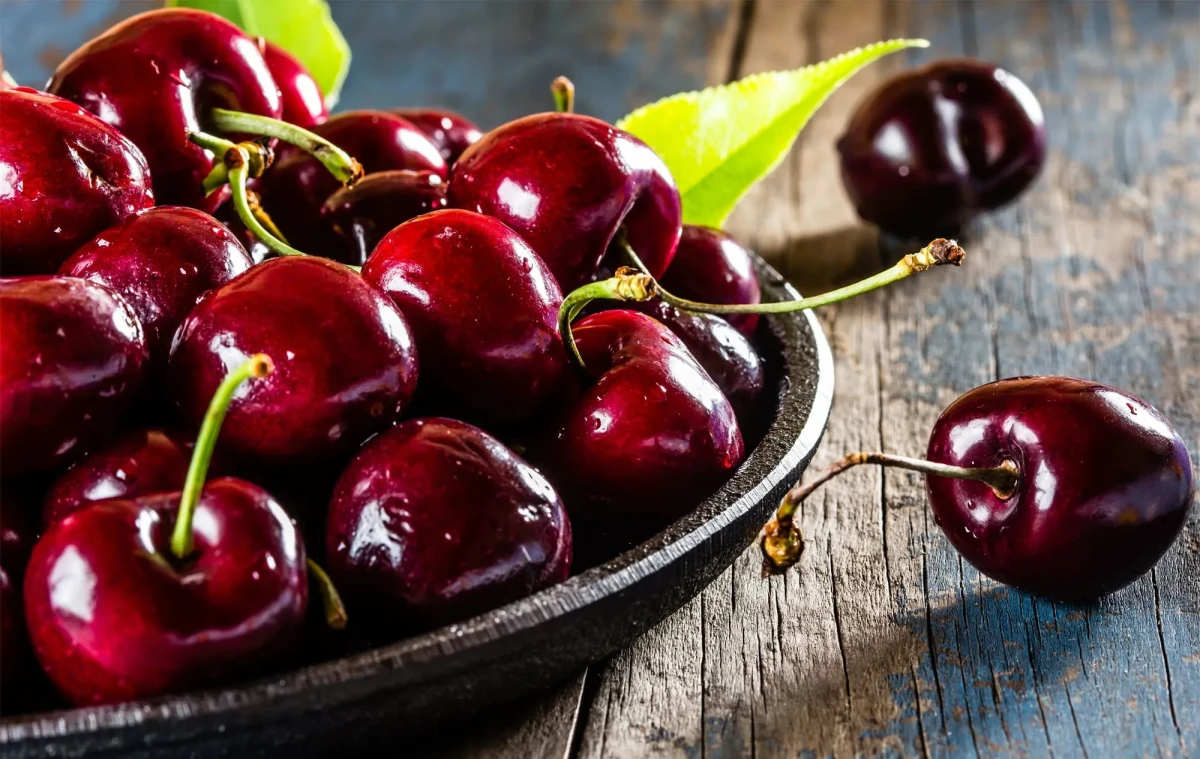
Summer is unimaginable without cherry—a juicy, sweet, and fragrant berry that appears on the shelves among the first. Nutritionists call it a true superfood of the season: cherry is rich in vitamins, antioxidants, and minerals, helps maintain heart, skin, and digestive system health. However, even such a beneficial berry has contraindications that are important to know.
Cherry is not only a delicious treat but also a valuable source of beneficial substances.
Rich in Vitamins and Antioxidants
The berries contain B vitamins, vitamin C, and beta-carotene, which is converted into vitamin A in the body. These substances support the immune system, help the nervous system cope with stress, and contribute to maintaining skin beauty.
Anthocyanins, natural antioxidants that give the berries their rich color, are particularly valuable. They help protect cells from damage caused by free radicals and slow down the aging process.
According to nutritionists, regular consumption of seasonal berries helps reduce oxidative stress levels and supports overall body health.
Supports Heart Health
Cherry contains a large amount of potassium—a mineral that plays an important role in regulating blood pressure and the functioning of the heart muscle.
Cardiologists note that potassium-rich foods help maintain normal water-salt balance and contribute to the prevention of hypertension.
Improves Digestion
Due to its fiber content, cherry gently stimulates bowel function and helps prevent constipation.
Nutrition specialists recommend including berries in the diet during seasonal shortages of vegetables and fruits when the body particularly needs dietary fiber.
Helps Fight Edema
Cherry has a mild diuretic effect and promotes the elimination of excess fluid from the body.
According to nephrologists, moderate consumption of berries can help healthy individuals reduce the tendency to edema in hot weather.
Benefits for Skin and Women's Health
The high vitamin C content promotes collagen production—a protein responsible for skin firmness and elasticity.
Additionally, cherry contains plant compounds that help the body better cope with hormonal fluctuations and maintain well-being during different life stages.
When Cherry Can Be Harmful
Despite all its beneficial properties, it is not advisable to consume the berry without limits.
Contains Many Natural Sugars
There are about 12 grams of sugars in 100 grams of cherry.
Endocrinologists recommend that people with diabetes, prediabetes, and carbohydrate metabolism disorders take this fact into account and maintain moderation.
Can Cause Bloating
A large amount of fructose and fiber can sometimes lead to increased gas production, discomfort in the intestines, and even diarrhea.
Such symptoms are especially common after consuming large portions of berries on an empty stomach.
Possible Allergic Reaction
Although cherry allergy is relatively rare, it cannot be completely ruled out.
Symptoms to watch for include itching in the mouth, skin redness, rashes, and swelling of the lips or mucous membranes.
Who Should Limit Cherry Consumption
Doctors advise caution in the following conditions:
-
diabetes;
-
gastritis with high acidity;
-
peptic ulcer disease of the stomach and duodenum during exacerbation;
-
irritable bowel syndrome;
-
tendency to bloating;
-
severe kidney diseases;
-
allergy to stone fruits.
How to Eat Cherry Properly
To get the maximum benefit and avoid unpleasant consequences, specialists recommend following a few simple rules:
-
consume berries in the first half of the day;
-
do not eat them immediately after a hearty lunch or dinner;
-
do not wash down with cold water;
-
wash thoroughly before consumption;
-
maintain moderation.
For a healthy adult, an optimal portion is considered to be 200–300 grams per day.
Can Pregnant Women and Children Eat Cherry
In the absence of contraindications, cherry is beneficial for both expectant mothers and children.
For pregnant women, it helps diversify the diet, provides the body with vitamins, and aids in the prevention of constipation. For children, the berry helps replenish micronutrient reserves during periods of active growth.
However, pediatricians recommend introducing cherry into the diet gradually and closely monitoring the body's reaction.
Cherry in Home Cosmetology
The berry is used not only in cooking.
Masks made from cherry pulp help refresh the complexion, slightly lighten the skin, and reduce oily shine. Fruit acids provide a gentle exfoliating effect, making such procedures especially popular in summer.
Before using homemade masks, specialists recommend conducting an allergy test.
How to Choose Quality Cherry
When buying, pay attention to the appearance of the berries:
-
they should be firm and shiny;
-
free from cracks, dents, and signs of mold;
-
stems should remain green and fresh;
-
berries should not exude juice.
It is best to purchase cherry from trusted sellers or stores with a good reputation.
Cherry is rightly considered one of the most beneficial berries of summer. It helps maintain heart health, improves digestion, supplies the body with vitamins and antioxidants, and contributes to skin beauty. However, even the most beneficial product requires a sensible approach. Moderation and consideration of individual body characteristics will help maximize the benefits and enjoyment of cherry.