Mosquitoes, flies, and other flying insects can spoil outdoor relaxation. However, some herbs and flowers can help prevent their appearance in your area.
These plants contain essential oils — natural repellents. Their presence will not ensure 100% protection, but the effect will be noticeable.
Herbs
Lavender
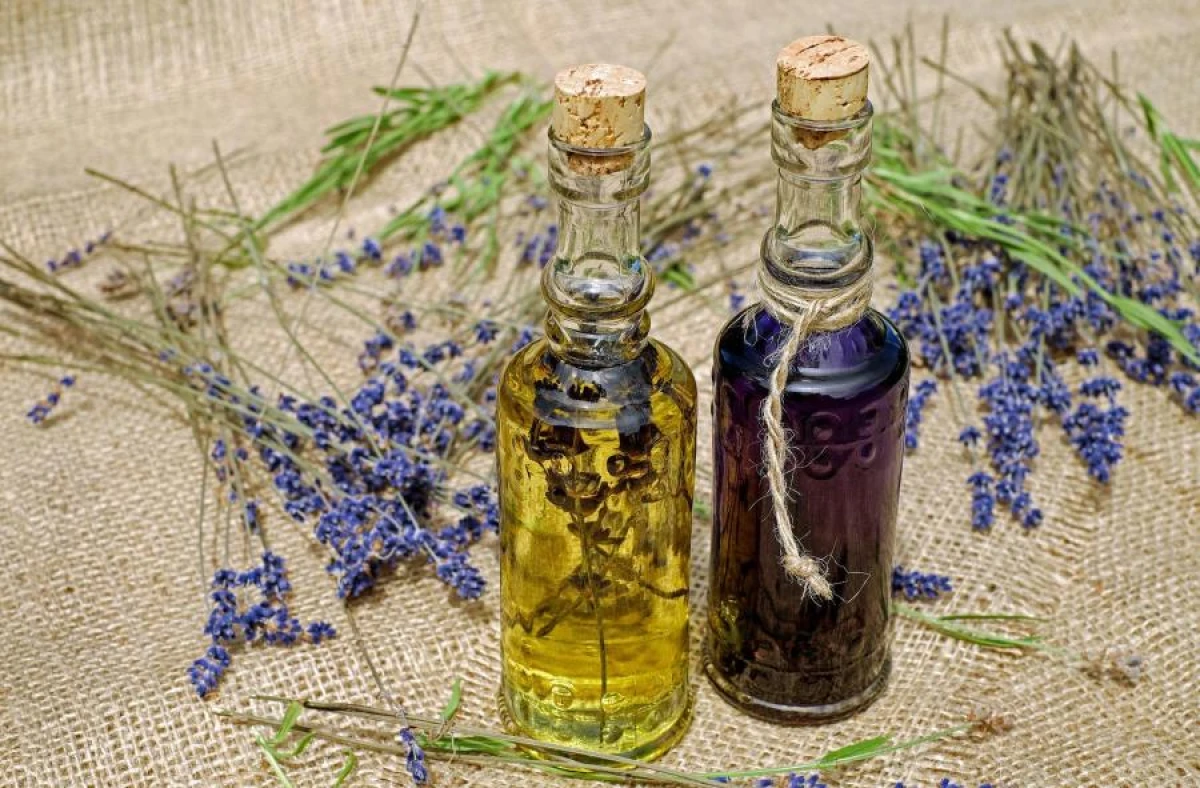
The fragrant flower is often used to combat moths, but it also repels flies, fleas, moths, and mosquitoes. In ancient times, people hung bundles of dried lavender by their doors and placed them in chests with clothes. Follow their example — place a bouquet on the porch, terrace, or inside the house.
Basil
This herb is disliked by flies and mosquitoes. Arrange pots in relaxation areas — on the barbecue patio, porch, or summer kitchen. You can also prepare an infusion. For this, pour boiling water over the leaves and let it steep for 3-4 hours. Then remove the greenery, mix the liquid with vodka in equal proportions. Store the repellent in a cool place and spray it before going outside.
Lemon Thyme
This plant can be grown in pots or in open sunny areas, and it can also be used as a seasoning. Few people know that thyme repels mosquitoes. To use it, pluck a couple of leaves, crush them in your hand, and apply the juice to your skin. Be careful, as the essential oil can cause allergies.
Lemongrass
Lemongrass extract is added to mosquito repellents and candles. This hardy plant grows quickly in the garden. It prefers sunny, well-ventilated areas. In winter, it can be grown as a green plant on a windowsill and brewed with tea.
Rosemary
This plant protects against blood-sucking insects and garden pests. Rosemary is dried and used to make repellents. Take sprigs of the herb, pour boiling water over them in equal proportions, and let it steep for half an hour. Then squeeze the softened leaves, mix with clean water, and spray on clothing and in the house.
Decorative Flowers
Marigolds
This plant repels mosquitoes, aphids, and even rabbits. The roots of marigolds help combat phytopathogens — nematodes. Plant the compact flower near fruit trees or alongside garden beds. Note: marigolds positively affect the growth of garden roses.
Chrysanthemum
The parts of this hardy flower contain pyrethrin, which affects the nervous system of insects and has powerful insecticidal properties. It is added to natural repellents, flea shampoos, and bedbug remedies. Chrysanthemums are not tolerated by pests such as ants, cockroaches, spider mites, lice, fleas, and bedbugs.
Allium
The spherical flower clusters repel not only blood-sucking insects but also most garden pests. Slugs, carrot flies, aphids, and cabbage moths fear allium. Plant this beneficial flower in flower beds near beans, cabbage, potatoes, and eggplants.
Petunia
This hardy annual is often found in garden plots. Petunia not only beautifies the garden but also repels aphids, leafhoppers, thrips, and tomato hornworms. Place the flower near peas, beans, tomatoes, and bell peppers.
Nasturtium
The aroma of this plant is unpleasant to many pests, such as cabbage moths, whiteflies, aphids, and leaf miners. Experienced gardeners plant nasturtium near vegetables that are prone to attacks from these insects. Proximity to cabbage (white and kohlrabi), cucumbers, radishes, and tomatoes will be beneficial.