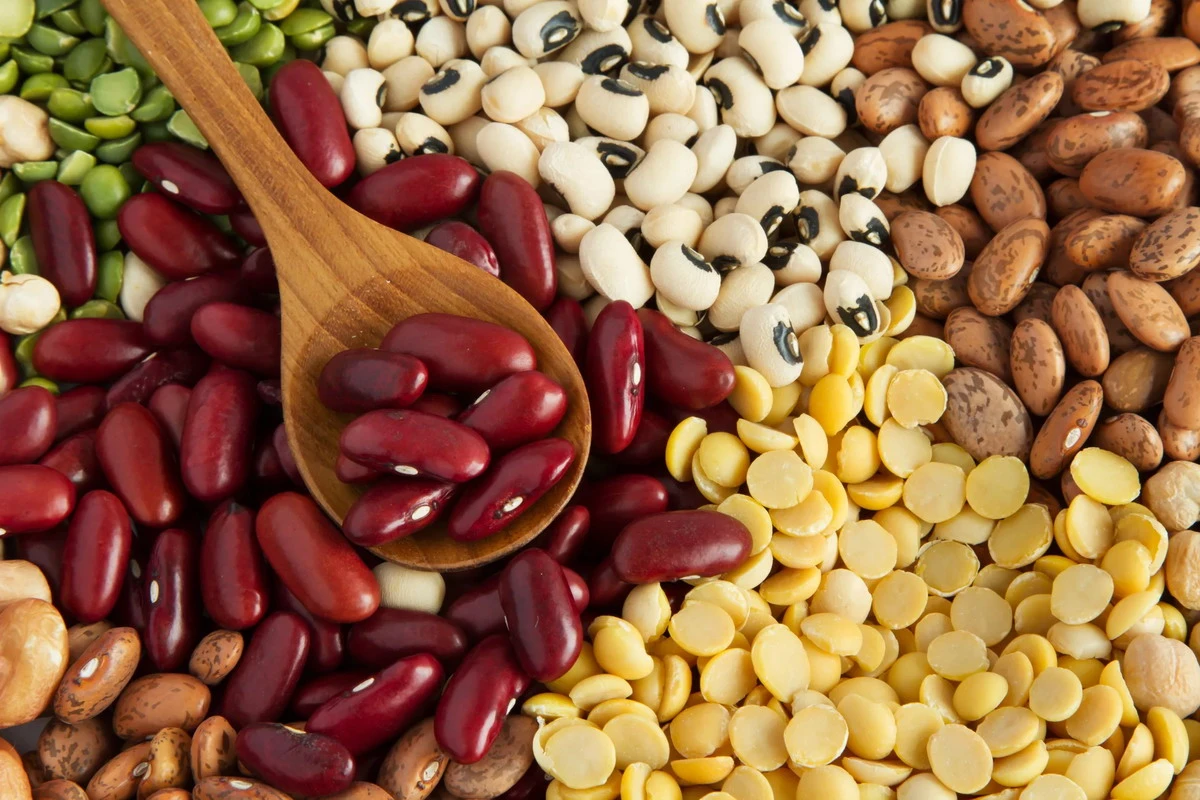
Regular consumption of beans, lentils, soy, and other legume products may reduce the risk of developing hypertension. This conclusion was reached by researchers who analyzed data from tens of thousands of residents of Europe, Asia, and the USA. A particularly pronounced effect was recorded in people who included legumes in their diet daily.
Regular consumption of legume products is associated with a lower likelihood of developing hypertension, researchers have found. The results of the study were published in the journal BMJ Nutrition Prevention & Health. The authors of the study examined data from 12 scientific works involving tens of thousands of residents from Europe, Asia, and the USA. The analysis showed that people who frequently included beans, lentils, soy, and other legumes in their diet were less likely to experience high blood pressure.
The most notable association was observed in participants who consumed about 170 grams of legumes daily and between 60 to 80 grams of soy products. Soy lovers had high blood pressure recorded 19% less often. Researchers noted that such products contain potassium, magnesium, and fiber, which help maintain vascular health. Additionally, soluble fiber promotes the production of substances related to vasodilation, while the isoflavones found in soy help maintain normal blood pressure levels.
In the opinion of the editorial team, the results of the study once again confirm that nutrition plays an important role in maintaining heart and vascular health. Legumes remain one of the most accessible sources of plant protein, fiber, and beneficial micronutrients, and their regular consumption can be a simple way to reduce the risk of blood pressure problems and improve overall health.