With the arrival of spring, the body itself indicates what it has been lacking during winter – there is a desire for light, fresh, and vitamin-rich food. It is during this time that seasonal products appear, which not only diversify the menu but also help gently support health.
We have compiled a list of products that can be included in your spring diet for just a few weeks.
In spring, nutrition usually changes on its own. After winter, there is a desire for something fresher and lighter, and it is during this time that seasonal products appear, which are hard to find at other times of the year.
Birch sap, sprouts, rhubarb, young greens. Their value lies in the fact that they are fresh, seasonal, and truly meet some of the body's needs after winter.
What is important is that they have a short season. In a few weeks, many of them simply disappear.
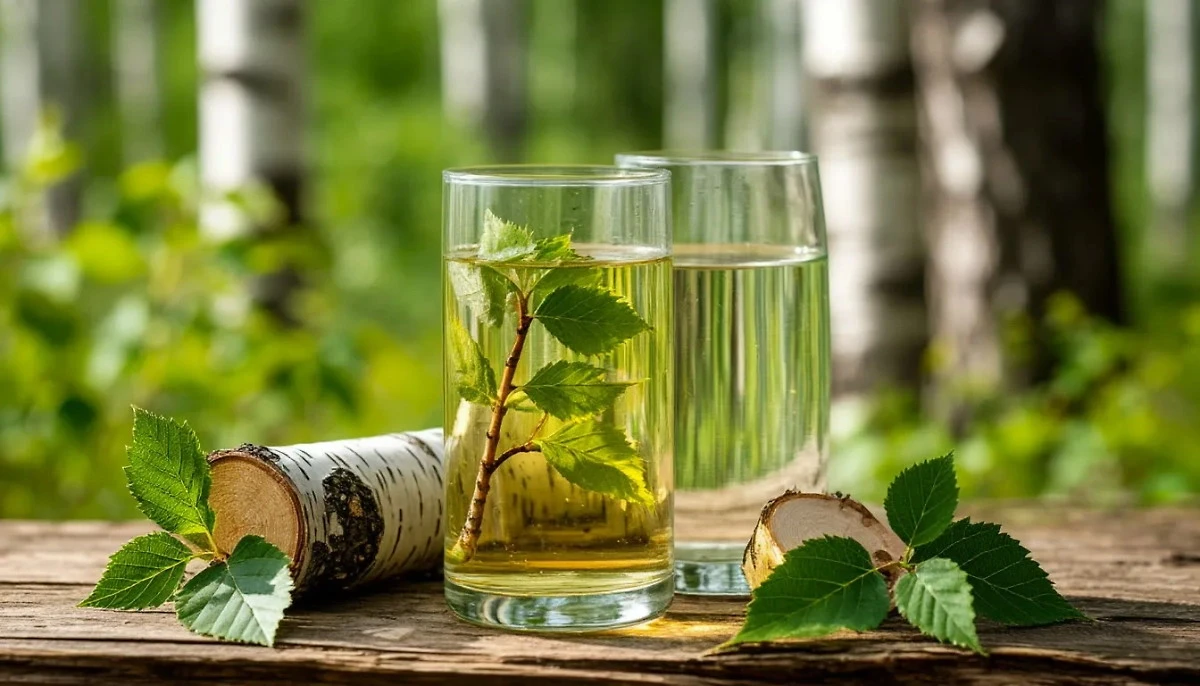
One of the most discussed spring products. It is often overrated, but it should not be underestimated either.
Birch sap is mostly water, but with a small amount of minerals: potassium, magnesium, and a bit of calcium. It also contains organic acids and natural sugars.
Its main advantage is its naturalness. It is a good alternative to sugary sodas and helps maintain hydration.
What is important to consider:
-
it does not cleanse the body by itself
-
the effect is in replacing less healthy drinks
How to consume it best: fresh, without additives. It does not last long, so it is worth buying in small quantities.
Sprouts
Sprouted seeds are one of the most concentrated products in terms of composition, which is easy to add to your diet.
During germination, enzymes are activated in the grain, and the content of certain vitamins, especially B vitamins and vitamin C, increases. Sprouts also contain antioxidants and fiber.
Most commonly used:
-
broccoli sprouts
-
mung beans
-
wheat
-
radish
How to eat: add to salads, toasts, bowls, ready-made dishes. It is better not to subject them to heat treatment – this preserves more beneficial substances.
Rhubarb
Rhubarb is a product with a very short season, and it is often underestimated.
It contains vitamin C, potassium, and dietary fiber. It is low in calories and has a pronounced tart taste, which works well in desserts and light dishes.
Important: rhubarb leaves are not consumed – they contain oxalic acid in high concentrations.
How to use:
Rhubarb is great for compotes, jams, baking, as well as for sauces for meat or fish. It is often combined with something sweet to balance the taste.
Young Greens
In spring, the first greens appear – spinach, arugula, sorrel, young nettle.
This is an easy way to add vitamins and fiber to your diet.
Greens contain:
-
vitamin C
-
folates
-
antioxidants
After winter, when there were fewer fresh products in the diet, this is especially relevant.
How to eat: in salads, smoothies, add to hot dishes at the very end to preserve texture and some vitamins.
Spring products are valuable not so much for their "super properties" as for their freshness and seasonality. By adding birch sap, sprouts, rhubarb, and young greens to your diet, you can naturally replenish vitamin deficiencies and improve your well-being. The main thing is not to miss the short season and to use these products in a simple, as natural as possible form, advises bb.lv.