
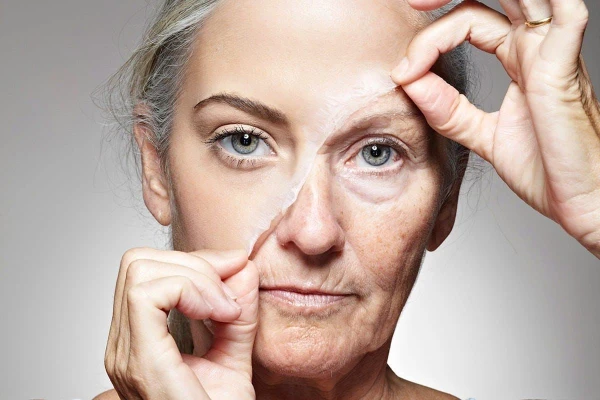
Research shows that the human body ages non-linearly, experiencing two key periods when age-related changes significantly accelerate. Find out at what age these leaps occur and how to influence the process.
Scientists have made a remarkable discovery: the aging of our bodies is not a slow and uniform process. On the contrary, it occurs in waves, with two distinct peaks when age-related changes sharply intensify. These turning points occur after the age of 40 and around 60 years, affecting metabolism, heart function, immunity, and other vital systems.
A study conducted by experts at Stanford School of Medicine and published in the prestigious journal Nature Aging confirms this theory. They found that the body does not simply wither away gradually, but goes through distinct, quite abrupt stages of transformation. Your lifestyle plays a huge role in how quickly or slowly these age-related changes will develop.
How Was the Study Conducted?
The large-scale study involved people aged 25 to 75, whom scientists observed over several years. The analysis of molecular processes in their bodies showed that changes do not occur smoothly, but rather in leaps. This affects overall health and well-being.
The main conclusion of the researchers is that there are two major age periods when these processes become sharply activated. These moments become real tests for the body, requiring special attention to one’s health.
The First Turning Point
The first significant stage of accelerated aging occurs around the age of 40. Initially, scientists associated it exclusively with hormonal changes in women, but it later became clear that men are also subject to these changes.
During this period, the functioning of the cardiovascular system noticeably changes, metabolism slows down, skin condition worsens, and muscle mass decreases. Many people begin to feel a clear loss of energy and endurance at this time, facing the first noticeable signs of decline.
What Happens in the Second Stage?
The second turning point occurs around the age of 60, when the body experiences another significant leap in aging processes. During this time, the functioning of the immune system changes particularly significantly, kidney function deteriorates, and carbohydrate metabolism processes are disrupted.
At the same time, the changes that began at 40 do not disappear but only intensify, having a complex impact on overall health. It is important to understand that these age boundaries are merely average indicators, and each person ages in their own way.
Can Aging Processes Be Slowed Down?
Scientists emphasize that the pace of aging largely depends on our lifestyle and habits. After the age of 40, it is crucial to increase physical activity, incorporate strength training into the schedule, and adjust dietary habits.
It is recommended to reduce alcohol and fatty food consumption, favoring healthy products. After 60, it is especially important to monitor carbohydrate balance and actively support immunity to counteract age-related changes. Scientists have also found that regular cooking can significantly reduce the risk of developing dementia. Even basic cooking skills stimulate memory, thinking, motor skills, and social interaction, which positively affects cognitive health.
















Leave a comment