
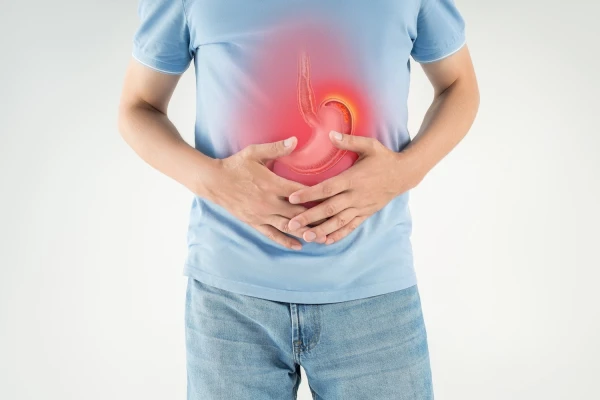
With the first rays of spring sunshine, not all changes are joyful. For many who have faced peptic ulcer disease, spring can bring unpleasant surprises: sudden pain, burning, and discomfort in the abdomen. Why does the disease exacerbate at this time of year, and what can be done to protect the stomach, explains Larisa Pripichenko, a leading gastroenterologist-endoscopist.
What Lies Behind Exacerbations?
Peptic ulcer disease is a treacherous chronic condition characterized by painful ulcers that appear on the delicate mucous membrane of the stomach or duodenum. It has a tendency to recur, presenting unpleasant "surprises" in the form of exacerbations. The main "culprit" is often the bacterium Helicobacter pylori, but other factors that can exacerbate the situation should not be overlooked:
-
Constant stress that exhausts the nervous system;
-
Bad habits that undermine health from within;
-
Unbalanced diet and eating on the go;
-
Prolonged use of certain medications, especially painkillers;
-
Genetic predisposition – when the disease, unfortunately, is inherited.
Spring: A Time of Trials for the Stomach
Why does our stomach become so vulnerable in spring? The fact is that during this period, our body undergoes a real "reboot," which, unfortunately, can weaken the protective barrier of the mucous membrane. Here’s what contributes to this:
-
Vitamin deficiency and lack of sunlight: A long winter depletes vitamin and sunlight reserves, leading to a general decrease in immunity and weakening of the body.
-
Change in biorhythms: The increase in daylight changes our usual routine, affecting hormonal balance and internal clocks.
-
"Vitamin shock" for the gastrointestinal tract: Rapid and abundant introduction of fresh, sometimes coarse vegetables and greens, often rich in nitrates, can be a real shock for a sensitive stomach.
-
Emotional swings: Spring is a time of instability for the nervous system. Frequent mood swings, emotional outbursts, and stress directly affect the functioning of the digestive system.
Warning Signs: How to Recognize an Exacerbation?
When an ulcer "wakes up," it usually announces itself quite vividly. The most common and unpleasant symptom is pain in the upper abdomen, just above the navel. It can vary: burning, aching, or even cramp-like, and can occur at the most inconvenient times – on an empty stomach, at night, or right after eating. In addition to pain, pay attention to the following signs:
-
Torturous heartburn;
-
Unpleasant, sour, or bitter belching;
-
Nausea, sometimes leading to vomiting;
-
Bowel problems, most often constipation;
-
Bad breath;
-
Increased fatigue and unexplained irritability.
Treatment: Don’t Delay Your Visit to the Doctor!
Don’t endure discomfort! As soon as you notice the first symptoms of an exacerbation, make an appointment with a gastroenterologist immediately. Only a specialist can conduct a thorough examination, which may include blood tests, abdominal ultrasound, and fibrogastroscopy, and based on the obtained data, prescribe an effective treatment regimen. Typically, medications aimed at:
-
Reducing the production of aggressive gastric acid;
-
Providing reliable protection for the damaged mucous membrane;
-
Alleviating unpleasant heartburn.
If the examination confirms the presence of Helicobacter pylori, the doctor will definitely include antibiotics in the treatment course.
Prevention: How to Protect Your Stomach?
Of course, preventing exacerbation is quite possible! To significantly reduce risks and maintain comfort, adhere to simple yet very important rules:
-
Adequate sleep: Allow your body to recover by dedicating enough time to healthy sleep.
-
Regular meals: Forget about chaotic snacking! Eat frequently, 5-6 times a day, but in small portions.
-
Active lifestyle: Movement is life, and this applies to the stomach as well!
What Can You Eat?
Your diet should be gentle and nutritious. Prefer:
-
Light vegetable soups;
-
Lean meats, poultry, and fish, steamed or boiled;
-
Tender cottage cheese casseroles;
-
Boiled and stewed vegetables;
-
Aromatic baked apples;
-
Porridges made with low-fat milk;
-
Healing rosehip infusions and homemade sweet fruit and berry compotes.
Remember, food should be warm – not scalding hot and not icy cold.
What to Avoid?
To avoid provoking the stomach, categorically avoid:
-
Spicy, fried, and excessively fatty foods;
-
Smoked foods and spicy marinades;
-
Alcoholic and carbonated beverages;
-
Strong coffee and tea;
-
Foods that irritate the mucous membrane: citrus fruits, seeds, nuts, pomegranates, grapes, and certain types of cheese.
When to Act Quickly: Call an Ambulance!
There are situations where every minute counts. Call an ambulance immediately if you or your loved ones experience the following alarming symptoms:
-
Sudden, sharp abdominal pain;
-
A feeling of severe weakness and noticeable paleness of the skin;
-
A drop in blood pressure;
-
Vomiting dark material resembling "coffee grounds";
-
Black, tarry stools.
These signs may indicate extremely dangerous complications – internal bleeding or perforation of the ulcer, requiring immediate surgical intervention. Don’t risk your life!














Leave a comment