Balanced nutrition does not necessarily require large expenses. Experts note that it is possible to obtain sufficient protein even on a limited budget — if you choose the right products and combine them in your diet.
Why Protein is Important and How Not to Overpay
Protein plays a key role in the body: it is involved in tissue repair, supports the immune system, and helps maintain muscle mass. However, expensive products like premium meats or superfoods are far from the only sources of protein.
Experts emphasize that it is much more important to focus on the ratio of cost to protein content rather than the price of the product. Many affordable items in a regular supermarket provide sufficient amino acids without unnecessary expenses.
Eggs and Dairy Products — An Accessible Base
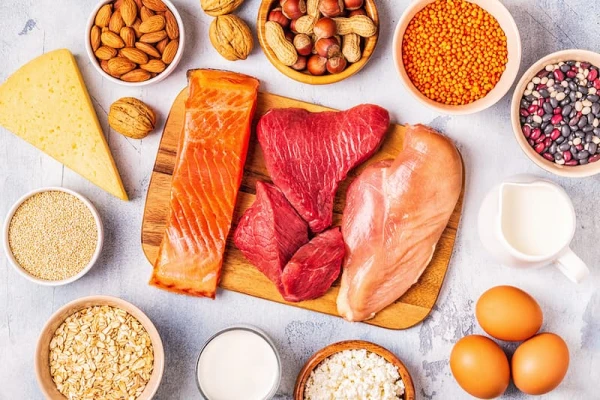
One of the simplest and most economical sources of protein remains eggs. They contain about 12–13 g of protein per 100 g and are highly digestible. Cottage cheese is also considered one of the most cost-effective options: depending on its fat content, it provides about 16–22 g of protein per 100 g. Additionally, milk and kefir can be included in the diet — despite their lower protein content, they help meet the norm and diversify nutrition.
Legumes — The Main Budget Source
Lentils, beans, chickpeas, and peas are among the most affordable products with high plant protein content. In dry form, they contain about 20–25 g of protein per 100 g. Experts note that legumes often form the basis of an economical diet, as they are inexpensive, have a long shelf life, and provide good satiety. Furthermore, soy products, including tofu, contain complete protein with all essential amino acids and remain one of the most affordable options in the plant segment.
Grains and Cereals — An Additional Source
Grains are not considered a primary source of protein; however, they help increase the overall amount in the diet. For example:
-
buckwheat — about 12–13 g of protein per 100 g
-
oatmeal — approximately 11–13 g
-
rice — about 6–7 g
In combination with legumes, such products create a complete amino acid profile, which is especially important on a limited budget.
Affordable Meat and Fish
Among inexpensive sources of animal protein, experts highlight chicken and offal. Chicken fillet contains about 22–30 g of protein per 100 g and remains one of the most versatile options. Canned tuna and inexpensive fish, such as herring, are also considered accessible alternatives, providing protein and healthy fats at a low cost.
Nuts and Seeds — A Concentrated Option
Nuts and seeds contain a significant amount of protein — up to 20–30 g per 100 g; however, due to their high calorie content, they are recommended to be consumed in moderation. They are suitable as a supplement to the diet and a convenient snack that allows for quick protein intake.
How to Create a Budget Diet
Experts recommend combining different sources of protein:
-
eggs + grains
-
legumes + vegetables
-
dairy products + cereals
This approach allows for a complete set of amino acids without significant expenses. It is important to consider that plant protein is absorbed slightly worse than animal protein, so the diet should be diverse.
...You can obtain sufficient protein without serious financial costs. Eggs, legumes, grains, affordable meat, and dairy products form the basis of a balanced and economical diet. A smart combination of these products helps maintain health and energy levels without exceeding the budget.