
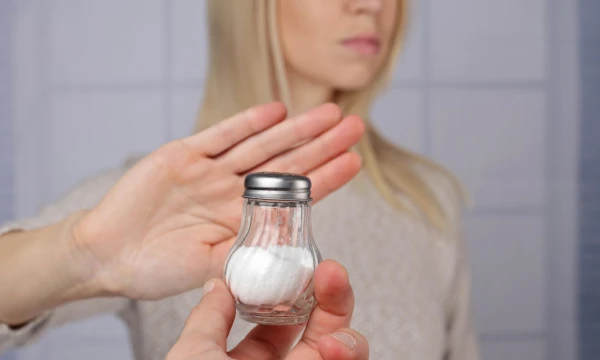
Reducing salt intake is traditionally considered beneficial for the heart; however, new data suggests that excessive sodium restriction can affect not only blood pressure but also psycho-emotional states. Experts explain how this is related to stress hormones.
How Salt Affects the Body
Sodium is a vital element involved in regulating water balance, the functioning of the nervous system, and impulse transmission. The body strictly controls its levels, and any deviations—both excess and deficiency—can trigger compensatory mechanisms.
When there is a deficiency of salt, hormonal systems responsible for its retention are activated. In particular, the production of stress hormones, including cortisol and adrenaline, increases, which can affect well-being.
Connection to Anxiety and Stress
Research shows that changes in sodium levels can influence psycho-emotional states. Scientists often focus on excess salt: for example, a high-salt diet can amplify the body's stress response and increase levels of stress hormones.
Additionally, observations of large groups of people indicate that regular addition of salt to food is associated with a higher risk of anxiety and depressive states.
However, experts emphasize that the relationship between salt and mental health is complex and nonlinear. Sodium deficiency can also enhance stress responses due to hormonal changes.
Why Strict Restrictions Can Be Problematic
Strict low-sodium diets are sometimes perceived as a universal solution for health, but scientific data on their effectiveness remains contradictory.
Excessively reducing salt intake can activate systems that regulate blood pressure and fluid balance, leading to increased strain on the body. This can manifest as irritability, anxiety, and overall instability of well-being.
Individual Approach Instead of Extremes
Experts agree that the optimal strategy is not a complete rejection of salt, but its moderate consumption.
On one hand, excess sodium is associated with an increased risk of cardiovascular diseases and can affect mental health.
On the other hand, excessive restriction is not always justified and should take into account individual characteristics of the body, activity levels, and the presence of chronic diseases.
...Salt plays an important role not only in physical but also in psycho-emotional health. Balance remains a key factor: both excess and deficiency of sodium can affect stress levels and overall well-being. Specialists recommend avoiding extremes and tailoring diets to individual needs.














Leave a comment